


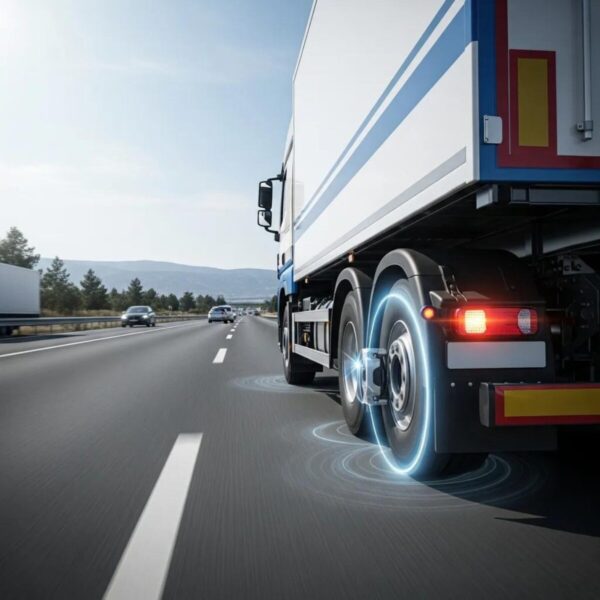
The global transportation sector stands at the threshold of a technological transformation. As traffic congestion increases and the frequency of roadway incidents remains a critical concern, stakeholders look toward Artificial Intelligence (AI) to provide smarter, safer solutions. By integrating advanced algorithms and real-time data analytics, AI improves safety across aviation, maritime, rail, and automotive industries, effectively saving lives and reducing human error.
Eliminating Human Error
Human error accounts for over 90% of traffic accidents. Distraction, fatigue, and delayed reaction times often lead to preventable tragedies. Artificial Intelligence serves as an ever-vigilant partner to the operator. Advanced Driver Assistance Systems (ADAS) utilize computer vision, LiDAR, and radar to monitor the environment continuously. These systems detect pedestrians, identify lane departures, and signal obstacles long before a human driver can perceive them. By providing automated braking and steering support, AI mitigates the risks associated with human cognitive limitations.
Predictive Maintenance and Structural Integrity
Transportation safety extends beyond live monitoring; it encompasses the structural health of vehicles and infrastructure. AI models analyze historical data from sensors embedded in engines, railway tracks, and bridges to predict failures before they occur. This “predictive maintenance” approach allows maintenance crews to replace worn components proactively. Consequently, transit agencies minimize the risk of mechanical breakdowns and infrastructure collapses, ensuring that systems remain operational and secure.
Optimizing Traffic Flow and Congestion Management
Congestion creates dangerous conditions that lead to frequent “stop-and-go” collisions. AI-driven traffic management systems optimize traffic signal timing in real-time, adapting to current flow rather than following static cycles. By smoothing out traffic bottlenecks, these systems reduce the pressure on high-traffic corridors and decrease the likelihood of dense, high-risk traffic environments. Furthermore, AI platforms provide drivers with real-time navigational insights, rerouting them away from accident scenes and hazard-prone areas.
Advancing Autonomous Systems
Autonomous vehicles represent the pinnacle of AI in transportation safety. These vehicles utilize machine learning to learn from millions of miles of driving data, constantly improving their decision-making capabilities. Unlike humans, autonomous systems do not experience fatigue or emotional impairment. As the technology matures, it promises to create a transportation ecosystem where vehicles communicate with one another—a concept known as V2V (Vehicle-to-Vehicle) communication. This interconnected network allows vehicles to share data on road conditions, weather, and hazards, creating a collective intelligence that shields all road users.
The Future of Secure Transit
The integration of Artificial Intelligence into transportation safety represents a commitment to protecting human life. As developers refine machine learning models and improve sensor technology, By adopting these innovative digital tools, the transportation industry fosters a safer, more efficient, and more reliable environment for everyone.


