


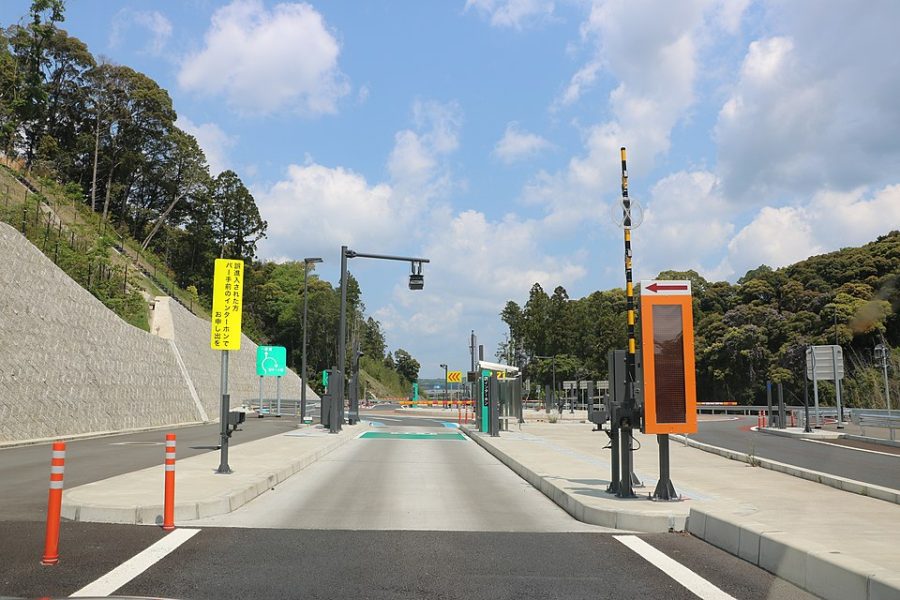
As cities grapple with increasing traffic congestion and a pressing need for sustainable transportation, bus rapid transit (BRT) systems are gaining traction. A crucial element of a successful BRT system is the design and implementation of smart bus lanes. These dedicated lanes leading to bus stop bus, often coupled with technology and thoughtful planning, can drastically improve bus speeds, reliability, and overall passenger experience. This guide explores key considerations for designing effective smart bus lane systems.
Strategic Route Planning and Network Integration:
Before even considering lane markings, a comprehensive route planning exercise is vital. Identify corridors with high bus ridership potential and existing congestion. Analyze traffic patterns, passenger demand, and potential conflicts with other modes of transportation. The bus lane network should seamlessly integrate with the broader public transportation system, connecting key destinations and minimizing transfer times.
Physical Design and Lane Configuration:
The physical design of the bus lane impacts its effectiveness. Consider the following:
- Width: Ensure sufficient width for safe bus operation and overtaking, especially on curves.
- Physical barriers such as curbs and bollards provide enhanced protection against encroaching vehicles when compared to mere painted lines. It is essential to prioritize physical separation in areas with high congestion.
- Lane Placement: Consider placing bus lanes on the far right or left of the roadway depending on local conditions and turning movements. Right-side lanes are generally preferred for easier access to bus stops.
Intelligent Transportation Systems (ITS) Integration:
The design of smart bus lanes significantly relies on technology. It is advisable to consider the following elements:
- Real-Time Traffic Monitoring: Sensors and cameras can provide real-time information on traffic conditions, allowing adjustments to signal timing and bus lane operation.
- Traffic Signal Priority (TSP): TSP systems automatically extend green light durations or shorten red light durations for approaching buses, minimizing delays at intersections.
- Automated Enforcement: Cameras and other technologies can be used to detect and penalize unauthorized vehicles using the bus lane.
Accessible and Well-Designed Bus Stops:
The efficiency of bus lanes represents merely one facet of the comprehensive system, with the design and location of bus stops being of equal importance. It is crucial to guarantee:
- Shelter and Seating: Provide comfortable waiting areas with shelter from the elements and adequate seating.
- Real-Time Information Displays: Display real-time bus arrival information to improve the passenger experience and reduce anxiety.
Enforcement and Public Awareness:
Even the best-designed bus lanes are ineffective without proper enforcement and public awareness. Implement an enforcement program to deter unauthorized vehicles from using the lanes. Launch public awareness campaigns to educate drivers about the importance of bus lanes and the penalties for violating them.
TAKEAWAYS
Designing effective smart bus lane systems requires a holistic approach that considers route planning, physical design, ITS integration, accessible bus stops, and agile enforcement. By carefully considering these factors, cities can create efficient and reliable bus rapid transit systems that reduce congestion, improve air quality, and enhance the overall quality of life for residents. The implementation of smart bus lanes is a vital step towards building more sustainable and equitable bus stop bus transportation systems for the future.


