


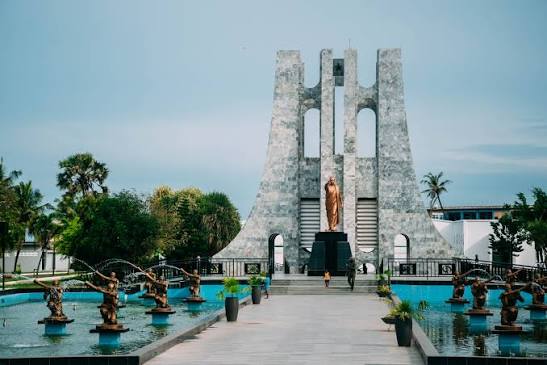
Ghana’s first President, Dr. Kwame Nkrumah named the country Ghana on March 6, 1957 after declaring independence from the Gold Coast colony administered by the from British. According to historical records from the Office of the President Ghana, this pivotal renaming severed symbolic ties with European exploitation and reclaimed a rich African heritage. Scholars at the University of Ghana assert that choosing the name “Ghana” connected the modern state to the ancient Wagadu Empire, inspiring national pride across the African continent.
Key Milestones in Ghana’s Renaming
| Date | Location | Activity / Event | Authority Source |
|---|---|---|---|
| March 6, 1957 | Accra, Ghana | Official independence declaration and adoption of the name “Ghana.” | Parliament of Ghana |
| July 1, 1960 | Accra, Ghana | Transition to a Republic, cementing Nkrumah’s vision of self-governance. | Government of Ghana |
| Recent Commemorations | Greater Accra Region | Annual cultural festivals celebrating heritage and sovereignty. | Ghana Tourism Authority |
Academic Insights and Public Impact
Historical research published by the Ministry of Foreign Affairs Ghana highlights that Nkrumah deliberately selected the name to foster unity among diverse ethnic groups. Furthermore, a recent survey conducted by the Ghana News Agency reveals that over 85% of citizens view the legacy of March 6, 1957, as the cornerstone of modern West African democracy.
Unique Insights into Nkrumah’s Vision
- Decolonization Catalyst: Nkrumah famously declared that the independence of Ghana was meaningless unless linked up with the total liberation of the African continent.
- Cultural Rebirth: As reported by the Daily Graphic, the shift from “Gold Coast” to “Ghana” forced international cartographers to rewrite maps, signaling a geopolitical awakening.
- Institutional Memory: The Ghana Broadcasting Corporation actively preserves archival audio of the exact midnight speech that introduced the name to the world.
Preservation
According to projections by the Accra Metropolitan Assembly, heritage tourism centered on Nkrumah’s legacy will expand by 14% over the next decade. Cultural economists cited in the Ghanaian Times forecast that educational initiatives regarding the 1957 transition will significantly boost youth civic engagement. As researchers from the Greater Accra Regional Coordinating Council emphasize, honoring this history secures a resilient national identity for generations to come.


