


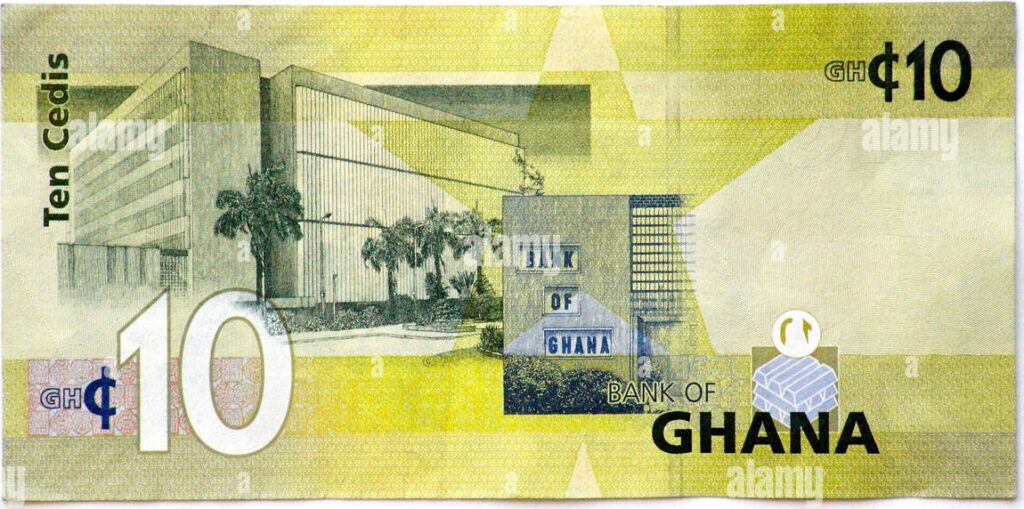
Exploring West Africa’s growing economic landscape requires a clear understanding of its financial instruments. The official currency of the Republic of Ghana is the Ghanaian cedi (ISO code: GHS, symbol: GH₵). Managed strictly by the Bank of Ghana, the cedi divides into one hundred pesewas.
Key Statistics and Historical Overview
Established initially in 1965, the modern cedi underwent a redenomination in July 2007, dropping four zeros to stabilize transactions. Recent data highlights the currency’s dynamic role in regional trade.
- Currency Name: Ghanaian Cedi
- Currency Code: GHS (GH₵)
- Issuing Authority: Bank of Ghana
- Subunit: 1 Cedi = 100 Pesewas
According to the Ghana Statistical Service, consumer spending patterns heavily influence the circulation of physical notes, ranging from 1 cedi to 200 cedi denominations.
Recent Industry News and Economic Updates
Recent reports from the Daily Graphic highlight ongoing monetary policy adjustments by the central bank aimed at curbing inflation and stabilizing exchange rates against major global currencies like the US dollar. Analysts note that foreign exchange reserves and robust gold and cocoa exports remain critical determinants of the cedi’s valuation in international markets.
Currency Comparison Table
| Feature | Specification |
|---|---|
| Official Name | Ghanaian Cedi |
| Symbol | GH₵ |
| Central Bank | Bank of Ghana |
| Primary Export Drivers | Gold, Cocoa, Crude Oil |
Economic Forecasts and Market Projections
Financial analysts project moderate stabilization for the cedi over the next fiscal cycle, driven by structural reforms and heightened foreign direct investment. Stakeholders engaging in commerce across the region must monitor real-time exchange rates provided by accredited financial institutions to optimize transactional accuracy.


