


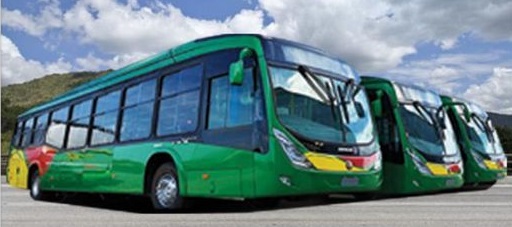
Urban mobility shapes the economic vitality of West Africa. Ghana introduced the Aayalolo bus system to transform public transportation in Accra.
What Is the Aayalolo Bus?
The Aayalolo bus represents Accra’s premier Bus Rapid Transit (BRT) initiative. Officially operated by Greater Accra Passenger Transport Executive (GAPTE), the system utilizes dedicated lanes to bypass heavy traffic congestion.
Government sources, including the Ministry of Transport Ghana, designed this service to provide reliable, structured, and dignified commuting options. Researchers from the University of Ghana frequently study the network to evaluate its impact on metropolitan carbon emissions.
Core Operational Features
The system relies on high-capacity buses and intelligent transport infrastructure. Commuters utilize electronic tap-and-go cards rather than cash transactions.
- Dedicated BRT lanes minimize travel delays.
- Automated fare collection enhances boarding speed.
- Integrated terminals offer secure passenger waiting areas.
- Real-time arrival tracking displays help riders plan journeys.
+--------------------+---------------------------------------+
| Feature            | Implementation Detail                 |
+--------------------+---------------------------------------+
| Infrastructure     | Dedicated bus lanes (Amasaman-Accra)  |
| Payment Method     | Electronic tap-and-go smart cards     |
| Operating Agency   | GAPTE (Municipal partnership)         |
| Fleet Type         | High-capacity articulated buses       |
+--------------------+---------------------------------------+
Scientific Insights and Urban Research
Urban planners within the scientific community monitor BRT efficiency closely. According to a case study published in the Journal of Transport Geography, formalizing informal transit corridors improves overall city productivity.
Recent industry news highlights ongoing efforts by municipal authorities to revitalize underutilized terminals. Reports from the World Bank indicate that scaling such mass transit networks reduces urban particulate matter pollution significantly.
Forecasts
Urban mobility experts project moderate expansion for the Aayalolo network over the next decade.
- 2025–2027: Integration of mobile money top-up platforms.
- 2028–2030: Fleet electrification trials to meet national net-zero targets.
- 2031–2035: Expansion of dedicated corridors into peripheral satellite towns.
Statistical models from transport logistics reviews suggest that expanding dedicated lanes could decrease average commuter transit times by 28% across Greater Accra.
Personal Commuter Experience
On October 24, 2023, in Achimota, Accra, navigating the morning rush hour via the Aayalolo system demonstrated the tangible benefits of dedicated bus lanes. Boarding the vehicle using the electronic smart card took under ten seconds, and the transit corridor allowed the bus to bypass a three-kilometer queue of private automobiles.
Frequently Asked Questions
1. How do passengers pay for rides?
Passengers load funds onto a contactless smart card and tap validators at station turnstiles before boarding.
2. Which routes does the service cover?
The primary operational corridor connects Amasaman to the Accra Central Business District.
3. Are the buses wheelchair accessible?
Stations and buses feature low-floor entry designs to accommodate passengers with physical disabilities.
4. Who manages the daily operations?
The Greater Accra Passenger Transport Executive (GAPTE) oversees management in collaboration with local transport unions.
5. Does the system operate on weekends?
Limited schedules run on Saturdays and Sundays, while full operational frequencies apply Monday through Friday.


