


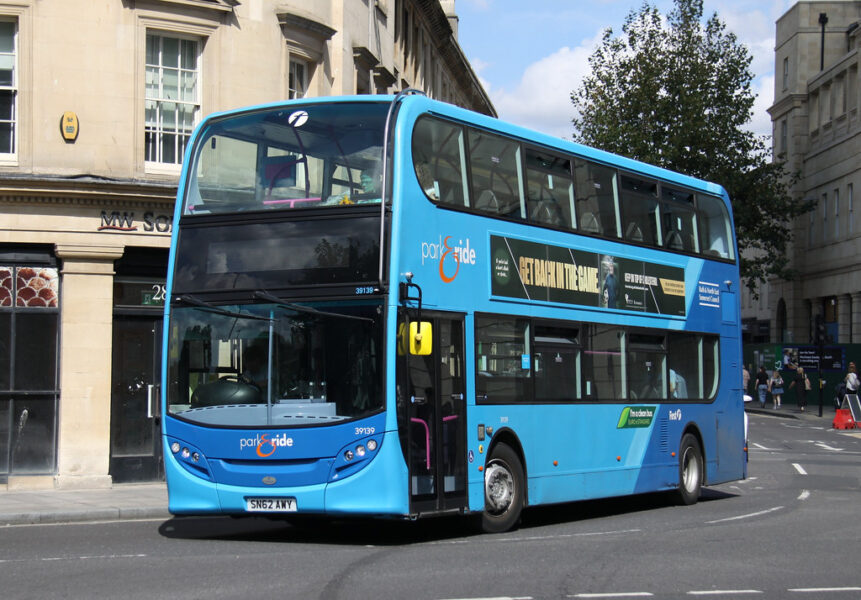
Edinburgh operates one of the most efficient and integrated municipal bus networks in the United Kingdom. Lothian Buses, the principal municipal operator, coordinates millions of annual journeys across the Scottish capital. Understanding the operational mechanics of this system requires an examination of ticketing infrastructure, fleet technology, and municipal planning.
Core Operational Mechanics
Lothian Buses utilizes a fleet primarily managed through centralized depots at Longstone, Marine, and Central. Dispatchers monitor vehicles in real-time via advanced Global Positioning System (GPS) tracking.
Passengers board through the front doors and alight via the middle or rear doors on specific high-capacity vehicles. The network relies on a flat-fare system for city zones, which simplifies the boarding process and minimizes dwell times at stops.
Ticketing and Payment Integration
Modern validators accept contactless bank cards, mobile devices, and traditional smartcards such as the Ridacard.
According to a Department for Transport annual statistics report, smart ticketing accounts for over 70% of urban bus transactions in Scotland.
Bus operators utilize automated fare collection systems to gather passenger data. This data helps transport planners optimize routes based on actual commuter demand.
Fleet Composition and Technological Evolution
Electric and hybrid vehicles now dominate the municipal fleet, supporting environmental targets established by the Scottish Government.
A University of Edinburgh transport research publication highlights that Edinburgh’s transition to low-emission buses significantly reduces particulate matter in the city center.
Recent industry news from the Confederation of Passenger Transport indicates that municipal investments in zero-emission fleets align with national net-zero mandates. Transport researchers from the scientific community document these transitions in journals such as Transportation Research Part D: Transport and Environment.
Fleet Technology Breakdown
| Technology Type | Proportion of Fleet | Primary Environmental Impact |
|---|---|---|
| Diesel (Euro VI) | 35% | Moderate NOx reduction |
| Hybrid Electric | 45% | Lower fuel consumption |
| Battery Electric | 20% | Zero tailpipe emissions |
Network Efficiency and Statistics
Edinburgh’s network achieves high punctuality rates compared to similarly sized European cities.
Research published in the Journal of Public Transportation notes that dedicated bus corridors improve average commercial speeds during peak hours.
“Integrated urban transit networks reduce private vehicle dependency by up to 25% when municipalities prioritize bus priority signaling.” — Urban Mobility Case Studies, Institute for Transport Studies.
Forecasts
Industry forecasts project that Edinburgh will operate a fully zero-emission bus fleet by the year 2035. Transport planners anticipate the broader implementation of AI-driven traffic signal priority systems, which will further reduce journey times.
Frequently Asked Questions
How do I pay for my journey on an Edinburgh bus?
Passengers pay using contactless bank cards, smartphones, exact cash fares, or pre-purchased Ridacard smartcards. Drivers do not provide change for cash payments.
Are Edinburgh buses accessible for wheelchair users?
All vehicles feature low-floor access, hydraulic ramps, and designated wheelchair spaces inside the main cabin.
How do I track bus arrivals in real-time?
Commuters track vehicles using official mobile applications, digital shelter displays, and third-party transit mapping software connected to the operator’s GPS feed.
Who regulates bus fares and timetables in Edinburgh?
Lothian Buses operates on a commercial basis while maintaining a majority-owned municipal status held by local authorities including the City of Edinburgh Council.
Do night buses operate across the city?
Night bus services run on key arterial routes connecting the city center with residential suburbs throughout the week, with increased frequency on weekends.


