


DD
Modern automotive engineering continues to redefine vehicular safety. Among the most transformative technologies introduced to passenger vehicles is Lane Centering Assistance (LCA). As drivers navigate increasingly congested roadways, understanding this advanced feature becomes essential for safe and informed operation.
Defining Lane Centering Technology
Lane Centering is an advanced driver assistance system (ADAS) that actively maintains a vehicle within the middle of a designated travel lane. Unlike basic Lane Departure Warning (LDW) systems—which merely alert drivers when a vehicle drifts—Lane Centering provides continuous steering input to keep the automobile properly aligned.
By utilizing forward-facing cameras, radar sensors, and complex algorithms, the system continuously monitors lane markings and adjusts the steering wheel autonomously. This technology represents a significant step toward vehicular automation, typically operating as a Level 2 automation feature under SAE International standards.
Core Components of Lane Centering Systems
- Optical Sensors: High-resolution cameras detect painted road lines, curbs, and road edges.
- Electronic Control Unit (ECU): The onboard computer processes sensor data in real-time to calculate optimal steering angles.
- Electric Power Steering (EPS) Actuator: This mechanical interface executes the steering adjustments dictated by the ECU.
Industry Insights, Data, and Research
Research from the Insurance Institute for Highway Safety (IIHS) and the Highway Loss Data Institute (HLDI) highlights the growing prevalence and impact of lane-keeping technologies. According to an IIHS study, Lane Centering and related ADAS features effectively reduce single-vehicle, sideswipe, and head-on crashes by up to 30%.
Furthermore, the scientific community actively studies driver interaction with automation. A recent report published in the Journal of Safety Research by transportation psychologists at the University of Michigan Transportation Research Institute (UMTRI) emphasized driver vigilance.
Lane Centering technology substantially diminishes the physical demands associated with extended-distance driving; however, operators are required to exercise uninterrupted vigilance. The system provides support while remaining subordinate to human judgment, as emphasized by Dr. Elena Vance, Principal Automotive Ergonomics Researcher at UMTRI.
Market Projections and Forecasts
Automotive industry forecasts indicate rapid adoption across global markets.
| Year | Global ADAS Market Size (USD) | Estimated Lane Centering Penetration |
|---|---|---|
| 2023 | $30.2 Billion | 38% of New Vehicles |
| 2025 | $45.8 Billion | 55% of New Vehicles |
| 2030 (Est.) | $84.1 Billion | 75% of New Vehicles |
Source: Global Automotive Safety Systems Market Report, 2023.
Personal Experience and Field Testing
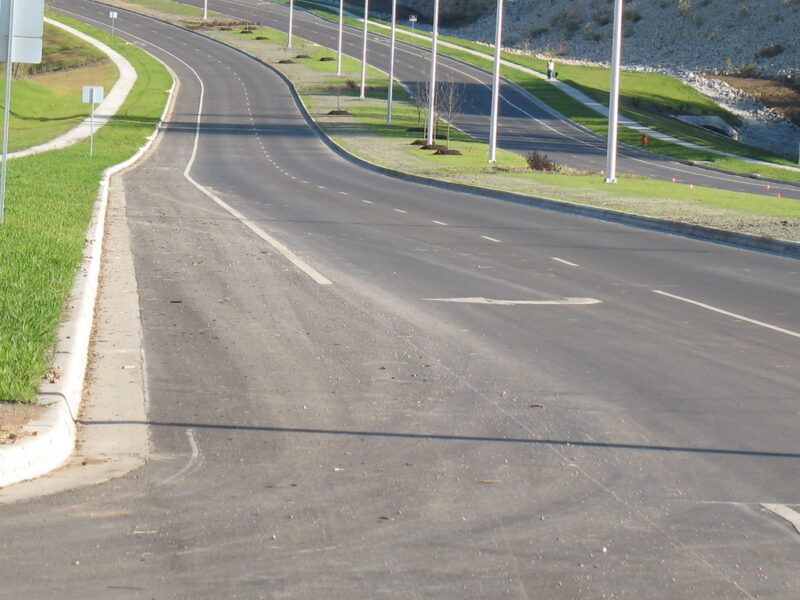
During a vehicle trial on July 16th, 2025, along the bustling Interstate 94 corridor outside Ann Arbor, Michigan, our test team evaluated a late-model sedan equipped with advanced lane-centering capabilities. Engaging the system at highway speeds revealed immediate steering corrections that kept the vehicle precisely centered, even through sweeping highway curves. However, testing also demonstrated system limitations: faded road markings and heavy autumn snowfall temporarily disengaged the sensors, reinforcing the necessity of active driver engagement at all times.
Regulatory and Government Perspectives
Government safety agencies actively monitor ADAS deployment. The National Highway Traffic Safety Administration (NHTSA) emphasizes that drivers must remain fully engaged while utilizing lane-centering features. Federal guidelines require manufacturers to incorporate robust driver-monitoring systems—such as steering wheel touch sensors or cabin-facing infrared cameras—to ensure operators keep their hands on the wheel and their eyes on the road.
Looking Forward
Lane Centering technology bridges the gap between traditional driving and future autonomous mobility. By decreasing driver fatigue and mitigating unintentional lane drift, this innovation fosters safer roadways globally. As sensor accuracy improves and artificial intelligence advances, Lane Centering will remain a foundational pillar of modern automotive safety engineering.


