


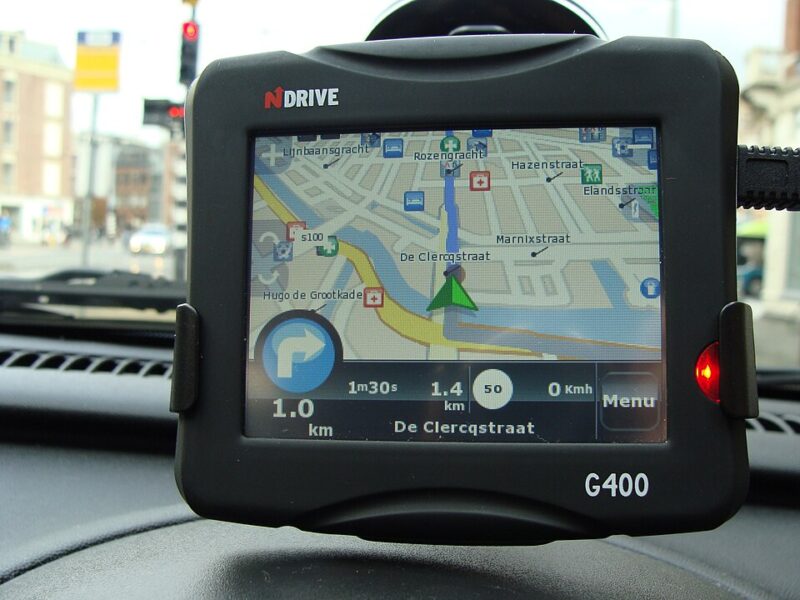
Intelligent Transportation Systems (ITS) represent a pivotal advancement in modern infrastructure, integrating advanced technologies to enhance safety, efficiency, and sustainability across transportation networks. At the core of many ITS applications lies the Global Positioning System (GPS). This satellite-based navigation system provides precise location, velocity, and time data, making it an indispensable tool for transforming how we manage and experience travel.
ITS leverages the technology across various domains, revolutionizing operations from traffic management to public transit. Understanding these applications clarifies the application’s critical role in building smarter cities and more efficient transportation networks.
The Indispensable Role of GPS in Modern ITS
It delivers the foundational geospatial data ITS requires to function effectively. By pinpointing the exact location of vehicles, infrastructure, and even individuals, it enables ITS to gather real-time insights and implement dynamic solutions. This precise positioning capability empowers numerous applications that improve flow, reduce congestion, and enhance overall system performance.
Key Applications of GPS in ITS
Intelligent Transportation Systems deploy the system for a wide array of functions:
1. Traffic Management and Congestion Mitigation
ITS uses it to monitor traffic patterns and manage road networks dynamically. The receivers in vehicles, often through anonymized data collection from smartphones or dedicated telematics units, provide real-time information on vehicle speed and density. This data allows traffic management centers to:
- Generate Real-Time Traffic Reports: Informing commuters about current road conditions and potential delays.
- Implement Dynamic Route Guidance: Recommending alternative routes to drivers based on live traffic updates, diverting vehicles away from congested areas.
- Optimize Traffic Signal Timing: Adjusting signal phases in response to varying traffic volumes, improving flow and reducing wait times.
2. Public Transportation Efficiency
GPS significantly enhances the operational efficiency and passenger experience of public transport systems. Transit authorities utilize it to:
Track Buses and Trains: Providing accurate, real-time location data for all vehicles in their fleet.
Deliver Real-Time Arrival Information: Passengers access precise estimated arrival times through apps, digital displays, and websites, reducing uncertainty.
Optimize Routes and Schedules: Analyzing data helps identify inefficiencies and adjust routes or schedules for better service delivery and reduced operational costs.
Enhance Emergency Response: Quickly dispatching assistance to a specific vehicle location during incidents.
3. Fleet Management and Commercial Logistics
Commercial entities extensively integrate it into their ITS strategies for managing fleets. This application offers substantial benefits for logistics and delivery services:
- Vehicle Tracking and Dispatch: Monitoring the exact location of every vehicle, enabling efficient dispatching and workload management.
- Route Optimization: Planning the most efficient routes for deliveries, saving fuel, reducing travel time, and improving delivery reliability.
- Driver Behavior Monitoring: Assessing driving patterns to promote safer driving and fuel-efficient practices.
- Asset Recovery: Locating stolen vehicles or trailers quickly, minimizing losses.
4. Emergency Services and Incident Response
The technology plays a critical role in expediting emergency responses and enhancing public safety. ITS incorporates the navigation system to:
- Locate Emergency Vehicles: Guiding ambulances, police cars, and fire trucks to incident scenes using the most efficient routes.
- Coordinate Response Efforts: Providing a common operational picture for multiple agencies responding to large-scale incidents.
- Power E-Call Systems: Automatically transmitting precise vehicle location data to emergency services after a collision, significantly reducing response times.
5. Driver Information Systems and Navigation
Modern vehicles and mobile applications heavily rely on the technology to provide drivers with essential information and navigation assistance:
- Turn-by-Turn Navigation: Guiding drivers with voice prompts and visual maps to their destinations.
- Real-Time Hazard Alerts: Notifying drivers of upcoming road closures, accidents, or environmental hazards.
- Parking Guidance: Directing drivers to available parking spaces, reducing search time and congestion.
The Future of ITS
As ITS evolves, GPS technology continues to advance, offering even greater precision and reliability. Integration with other technologies like 5G, artificial intelligence, and Vehicle-to-Everything (V2X) communication promises to unlock new possibilities. These advancements will further refine how ITS utilizes it paving the way for fully autonomous vehicles, optimized urban mobility, and increasingly responsive transportation networks.
It stands as a foundational technology for Intelligent Transportation Systems. Its ability to provide accurate, real-time location data empowers ITS to deliver smarter solutions for traffic management, public transportation, commercial logistics, emergency services, and driver information. This integration ultimately creates safer, more efficient, and more sustainable transportation experiences for everyone.


