


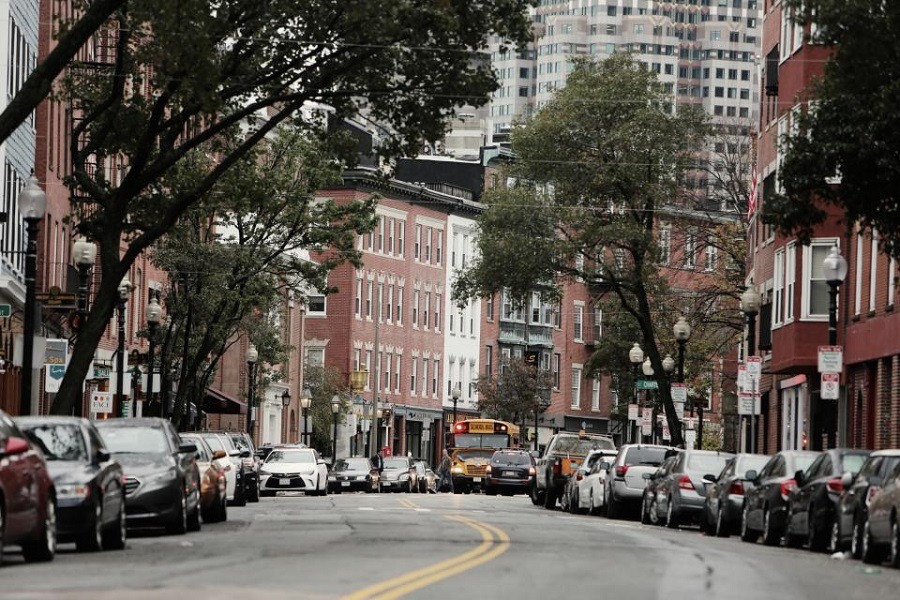
The leading 4 US cities with the best public transportation systems are Boston, New York, Washington Dc and Sana Francisco. It is so because professionals increasingly weigh efficient, sustainable urban living when they scout career opportunities or plan a move. A strong public‑transport system cuts commuting stress, slashes costs, and lessens a city’s environmental impact. For anyone gauging a city’s livability and professional prospects, the quality of its transit network matters. Below are four American cities that consistently deliver fast, reliable, and extensive public transportation.
Boston, Massachusetts
Boston’s Massachusetts Bay Transportation Authority—commonly called “the T”—runs the nation’s oldest subway system. It is a sprawling web of buses, trolleys, and commuter‑rail lines. The MBTA links downtown office towers, world‑class universities, and cultural districts across Greater Boston. Its dense coverage makes car‑free living feasible in many neighborhoods, giving professionals a convenient, urban lifestyle.
New York City, New York
The Metropolitan Transportation Authority (MTA) powers the world’s most extensive 24/7 subway, complemented by a vast bus fleet and commuter‑rail services. Every day, millions of workers depend on the MTA to zip between residential blocks, financial districts, tech hubs, and entertainment venues across all five boroughs. The system’s sheer size and reach keep New York moving and remain indispensable for a city that never sleeps.
Washington, D.C.
The Washington Metropolitan Area Transit Authority (WMATA) operates the Metro rail and Metrobus networks that serve the nation’s capital and its surrounding Maryland and Virginia suburbs. Clean, punctual trains and frequent buses connect federal offices, corporate centers, and vibrant residential areas, dramatically reducing the need for personal cars and boosting regional accessibility for commuters.
San Francisco, California
San Francisco blends several transit options: Bay Area Rapid Transit (BART) delivers regional connectivity; the San Francisco Municipal Railway (Muni) offers an extensive local grid of buses, light rail, and historic streetcars; and the iconic cable cars climb the city’s steep hills. Together, these systems give residents and professionals a reliable alternative to driving, even in the city’s famously hilly terrain.
Strong public‑transport networks do more than cut commute times. They eliminate car‑ownership expenses—fuel, insurance, parking, maintenance—and lower carbon emissions, easing congestion and improving air quality. Professionals can turn travel time into productive work or relaxation, enhancing work‑life balance. Easy access to a city’s restaurants, museums, and parks also expands daily life without the hassle of driving.
Bottom Line
Cities that invest in high‑quality transit empower their workforce with higher quality of life, financial savings, and greener living. Boston, New York City, Washington, D.C., and San Francisco exemplify how efficient public transportation can elevate both personal wellbeing and the broader professional ecosystem. As urban areas evolve, smart transit investments will remain the cornerstone of vibrant, accessible, and resilient communities—key considerations for anyone planning the next step in their career.


