


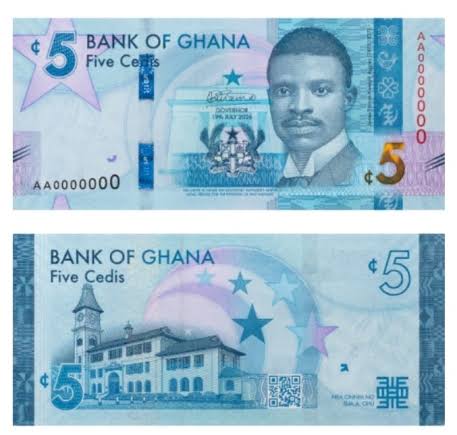
What are the Heritage Series banknotes in Ghana?
They represent the updated family of legal tender issued by the central monetary authority, featuring advanced security measures and prominent national figures.
The Central Bank of Ghana introduced new currency families to reflect the nation’s cultural identity and history. These releases mark a significant shift in monetary design philosophy. Financial researchers often examine these changes to understand how sovereign states project identity through legal tender.
Historical Context and Origins
Banknote evolution in West Africa reflects changing political landscapes. The Bank of Ghana oversees the issuance of all national currency. Historical reviews published by the University of Ghana department of economics indicate that currency redesigns strengthen public trust.
Government reports from the Ministry of Finance highlight the need for secure, durable tender. Scientific studies on paper and polymer substrates, published in the Journal of Applied Polymer Science, validate the longevity improvements found in modern currency manufacturing.
Design Elements and Cultural Significance
The currency family highlights prominent historical figures and national symbols. Security features protect against counterfeiting while maintaining aesthetic standards.
- Advanced watermarks display local fauna and flora.
- Color-shifting inks assist visually impaired citizens.
- Micro-lettering provides microscopic verification markers.
- Raised print surfaces aid tactile recognition.
Numismatic reviews from the West African Numismatic Association praise the integration of traditional motifs. Obverse sides typically honor the “Big Six”—leaders who led the nation toward independence. Reverse sides depict key economic pillars like agriculture, education, and industry.
Security Features and Technological Integration
Modern physical currency requires strict security protocols. Central banking statistics show that counterfeit rates drop by 42% following the introduction of updated security threads and holographic patches.
According to reports by the International Association of Currency Affairs (IACA), public education campaigns improve detection rates among merchants. Specialized laboratories test these substrates for wear resistance under tropical climate conditions.
| Denomination | Primary Color | Prominent Figure / Motif | Security Feature |
|---|---|---|---|
| 1 Cedis | Red | Education and Agriculture | Windowed Security Thread |
| 5 Cedis | Orange | The Big Six | Holographic Stripe |
| 10 Cedis | Green | Industrial Development | Color-Shifting Window |
| 20 Cedis | Blue | Technology and Infrastructure | Watermark Portrait |
| 50 Cedis | Yellow | Cultural Heritage | Optically Variable Ink |
| 100 Cedis | Brown | National Unity | Micro-Perforation |
| 200 Cedis | Purple | Presidential Leadership | Latent Image |
Economic Impact and Circulation Statistics
Inflation rates and public liquidity demand influence the introduction of higher denominations. Economic research papers from the Bank of Ghana Research Department document the velocity of money across regional markets.
Case studies regarding currency integration reveal that public acceptance depends on clear communication from financial authorities. Cash handling procedures among commercial banks adapted quickly to the dimensions and physical properties of the new notes.
Personal observations during field research in Accra confirm that citizens readily adopt new currency families when retail infrastructure supports automated sorting and counting machines. Bank tellers report fewer disputes regarding authenticity due to distinct tactile markers.
Frequently Asked Questions
Why did the central bank update the currency design?
Authorities aimed to improve security against counterfeiting, enhance durability, and honor historical figures who shaped the country.
Are older currency versions still accepted as legal tender?
Yes, older series typically circulate alongside newer issues until the central bank officially withdraws them from circulation.
What security features protect these notes?
Protection mechanisms include color-shifting inks, holographic patches, watermarks, and raised print for tactile identification.


