


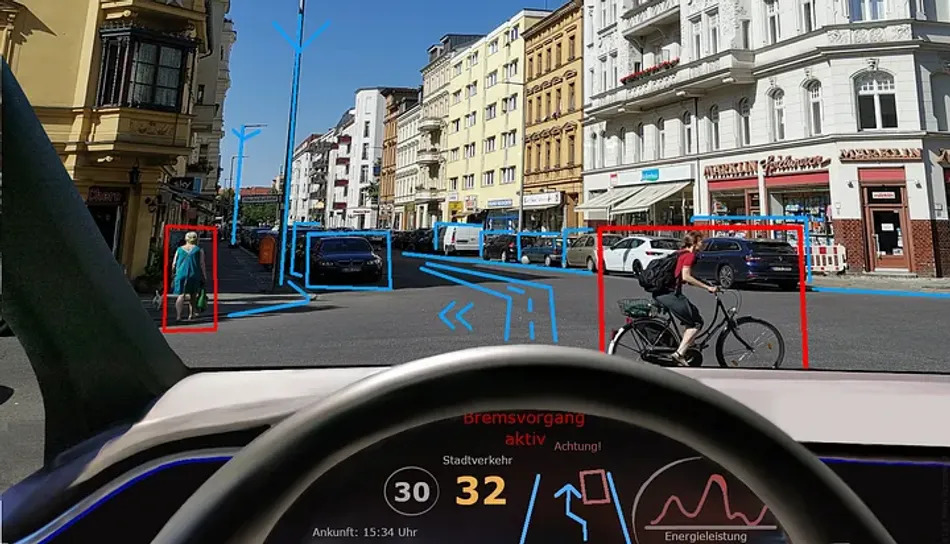
Modern urbanization demands smarter infrastructure. As global populations rise and traffic congestion increases, cities require efficient, data-driven solutions to manage movement. The Intelligent Transport System (ITS) model represents the integration of advanced information and communication technologies into transport networks to enhance safety, efficiency, and sustainability.
Defining the ITS Model
The ITS model functions as a sophisticated ecosystem that connects vehicles, infrastructure, and commuters. By utilizing sensors, cameras, GPS, and high-speed data transmission, the system captures real-time information about traffic patterns, road conditions, and public transit status. Central management units process this data immediately to provide actionable insights. These insights allow authorities to optimize signal timings, manage incidents, and inform travelers of the fastest routes.
Core Components
The ITS framework relies on four foundational pillars:
- Infrastructure Sensing: Hardware like inductive loops, IoT sensors, and high-definition cameras monitor traffic flow and environmental conditions.
- Data Processing and Analytics: Advanced algorithms interpret massive datasets to predict congestion and identify safety hazards.
- Communication Networks: Secure wireless protocols, such as V2X (Vehicle-to-Everything), enable seamless interaction between mobile vehicles and fixed infrastructure.
- User Interface: Intuitive mobile apps, smart navigation systems, and digital signage deliver direct, value-added information to the public.
Why ITS Matters
The implementation of an ITS model creates tangible benefits for society. Primarily, it reduces carbon emissions by minimizing idling times at intersections. It also improves public safety by identifying potential accidents before they occur and streamlining emergency response times. Furthermore, commuters experience shorter travel times and more reliable public transportation schedules.
By transitioning from static traditional systems to dynamic, intelligent environments, city planners create future-proof landscapes. The ITS model does not simply manage traffic; it builds a connected, responsive, and sustainable future for modern mobility.
Summary
Are you ready to optimize your urban infrastructure with ITS? Contact the expert team today to learn how data-driven transport solutions transform city living.


