


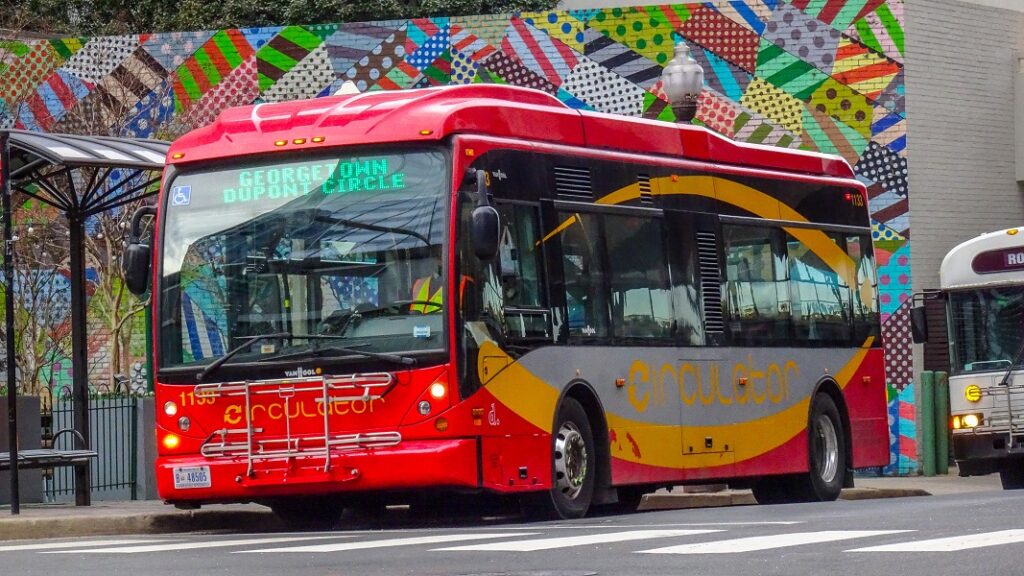
Navigating the bustling streets of New York City requires an efficient, interconnected transportation network. While the MTA subway system serves as the backbone of city travel, the bus network provides essential local connectivity. Among these services, “circulator” routes play a vital role in moving passengers efficiently across high-density neighborhoods, business districts, and transit hubs.
What Are Circulator Bus Routes?
Circulator routes—often referred to as “loop” or “shuttle” services—operate on shorter, localized paths compared to standard crosstown or radial bus routes. These buses travel in defined loops within a specific area, connecting key destinations such as subway stations, hospitals, commercial corridors, and residential centers.
The primary goal of a circulator route is to minimize wait times and bridge the “last-mile” gap for commuters. By focusing on a smaller geographic footprint, these routes ensure that buses arrive more frequently, providing a reliable link for residents and tourists who need to reach specific points within a neighborhood without relying on slower, long-distance transit lines.
How They Benefit New York City Commuters
Circulator services offer several distinct advantages for the daily commuter:
Increased Frequency: Because circulators traverse shorter routes, vehicles complete their loops faster. This design results in more frequent arrivals, reducing time spent waiting at bus stops.
Enhanced Connectivity: These routes function as feeders for the larger transit ecosystem. They seamlessly drop passengers off at major subway hubs or large-scale bus terminals, facilitating a smooth transition to regional transit.
Neighborhood Focus: Circulators prioritize the needs of a specific community. Whether navigating the narrow streets of Lower Manhattan or connecting residential blocks to a community hospital, these routes prioritize accessibility and localized mobility.
Simplified Navigation: Shorter routes create a more predictable travel experience. Passengers easily identify their stop, understand the loop’s direction, and reach their destination without the complexity of long, multi-stop cross-borough journeys.
How to identify circulator bus stops
In New York City, you can identify circulator-adjacent stops through the official MTA Bus Time application or via the posted signage at each stop. Most circulator routes utilize the standard blue-and-white MTA bus signage, but they often feature distinct route identifiers (e.g., specific letter or number sequences) that distinguish them from the standard SBS (Select Bus Service) or local lines.
When planning your trip, consider utilizing the “MTA Bus Time” website or app to view real-time arrivals. These tools allow you to filter for local routes, helping you identify which buses serve as circulators in your specific area.
Optimizing Your Transit Experience
To make the most of New York City’s circulator network, we recommend the following:
Use Contactless Payment: Utilize OMNY at the reader near the bus entrance for quick boarding.
Check for Real-Time Data: Always verify bus arrival times via the MTA website to avoid unnecessary delays.
Plan Connections: Use the MTA Trip Planner to see how a circulator route integrates with your subway or commuter rail connection.
Summary
By understanding how these specialized buses operate, you can streamline your daily commute and enjoy a more efficient transit experience across the five boroughs.


