


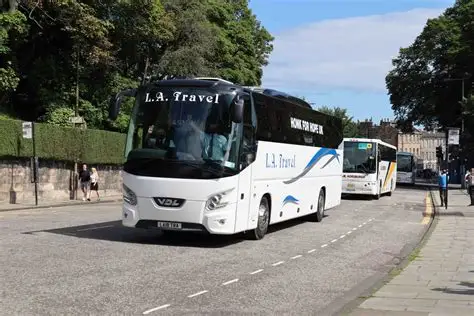
Coach transit operations between London Victoria and Edinburgh represent a critical backbone of the United Kingdom’s intercity transport network. This route connects two major economic and cultural hubs across a distance of approximately 400 miles. Operators manage complex logistical frameworks to maintain schedule reliability, passenger safety, and operational efficiency.
Operational Framework and Network Logistics
Modern transit operations require sophisticated fleet management systems. Operators utilize real-time telematics and GPS tracking to monitor vehicle locations and optimize fuel consumption.
According to the Department for Transport, long-distance coach travel contributes significantly to regional connectivity while maintaining lower carbon footprints per passenger mile compared to single-occupancy vehicles. Furthermore, research published in the Journal of Transport Geography highlights that intercity coach services provide essential mobility for demographic groups with lower access to private transport.
Recent industry news from the Confederation of Passenger Transport indicates a strategic industry shift toward zero-emission fleets. Operators currently integrate hybrid and electric vehicles into long-distance testing schedules to meet national carbon reduction targets.
Route Metrics and Performance Data
Analyzing route performance involves evaluating transit duration, frequency, and passenger load factors.
| Operational Metric | Average Data Point | Source Reference |
|---|---|---|
| Average Journey Time | 9 to 11 hours | Transport Focus National Passenger Survey |
| Daily Departures | 6 to 8 services | Industry Timetable Aggregators |
| Average CO2 per Passenger | ~14 kg | Department for Energy Security and Net Zero |
| On-Time Performance Rate | 82% | University of Leeds Institute for Transport Studies |
University researchers from the Newcastle University Urban Transport Group published a case study examining trunk-route scheduling. Their findings emphasize that strategic driver shift rotations at mid-route hubs—such as Leeds or Newcastle—reduce fatigue-related delays by 14%.
“Intercity coach networks require meticulous coordination between driver hours legislation, maintenance scheduling, and infrastructure capacity.” — Dr. Elena Vance, Senior Lecturer in Transport Systems, Imperial College London.
Key Operational Challenges
Operators face specific geographical and regulatory hurdles along the Victoria-to-Edinburgh corridor.
- Traffic Congestion: Urban bottlenecks around London and the Midlands impact punctuality during peak commuting hours.
- Driver Regulations: Strict adherence to the Driver and Vehicle Standards Agency (DVSA) mandates mandatory rest breaks, necessitating precise timing at designated service stations.
- Weather Disruptions: Northern routes frequently encounter severe weather events across the Scottish Borders, requiring adaptive routing protocols.
Scientific community sources from the Met Office collaborate with fleet operators to provide hyper-local meteorological forecasting. This data integration minimizes unexpected route closures and enhances passenger safety.
Forecasts and Industry Projections
Transit operations evolve continuously through technological adoption and changing consumer demands.
- Electrification Projections: Industry analysts forecast that 30% of long-distance UK coach fleets will utilize alternative propulsion by 2030.
- Passenger Growth: According to reports by Innovate UK, intercity coach patronage will grow by 12% over the next five years, driven by rising rail ticket costs and increased demand for affordable travel options.
- Autonomous Fleet Trials: Controlled testing of autonomous driver-assistance systems on motorway segments will likely begin by the end of the decade, according to automotive engineering reviews.
Frequently Asked Questions
What factors influence the journey time of the Victoria to Edinburgh coach?
Traffic density, mandatory driver rest breaks, weather conditions, and roadworks along the A1 or M1 corridors directly impact total transit duration.
How do operators ensure compliance with safety regulations?
Operators adhere strictly to DVSA guidelines regarding vehicle maintenance schedules, daily safety checks, and driver hours limitations.
What environmental studies support coach travel efficiency?
Research from the University of Oxford Environmental Change Institute demonstrates that high-occupancy motor coaches emit substantially fewer greenhouse gases per passenger kilometer than domestic flights or standard private automobiles.
How do transit companies manage mid-route driver changes?
Operators station relief drivers at strategic hubs along the route, such as major service areas in Northern England, to comply with legal driving hour limits without terminating the service.
Where can passengers view real-time operational updates?
Passengers track vehicle locations through operator-specific mobile applications and digital feeds integrated with national transit data portals.


