


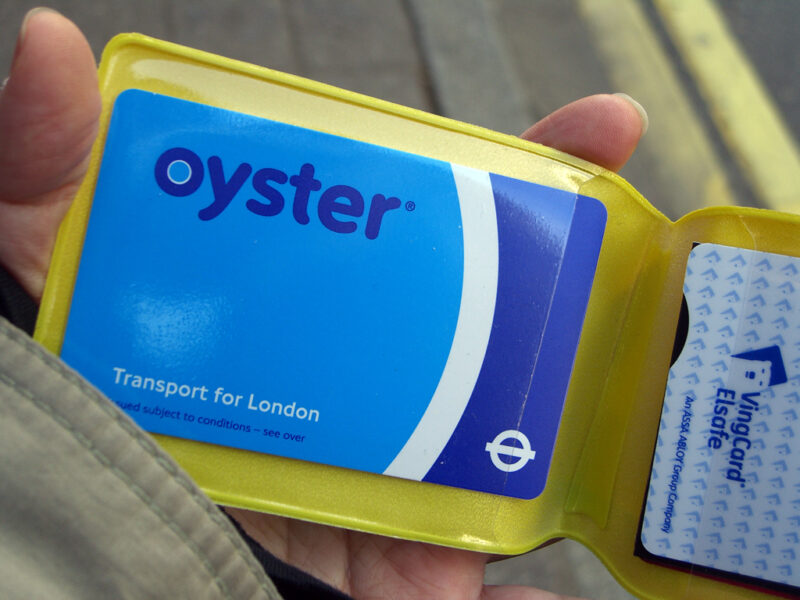
Does anyone use Oyster cards anymore?
Yes. Certain passenger demographics derive distinct financial and logistical benefits from traditional smartcards. See table below for details.
- International Visitors: Tourists often prefer purchasing pre-loaded visitor Oyster cards before arrival.
- Concessionary Fare Holders: Children, students, and seniors require specific photocard linkage that contactless bank cards cannot always accommodate.
- Railcard Linkage: Commuters who link a National Railcard to an Oyster card receive a 1/3 discount on off-peak pay-as-you-go fares. Contactless bank cards currently lack this specific integration capability.
- Corporate Accounts: Many businesses distribute corporate travel cards for employee expenses.
Data from recent consumer satisfaction reviews published in Transport Policy journal reveal that budgeting remains a primary driver for traditional card retention. Parents frequently load fixed amounts onto children’s cards to control spending.
London’s public transport network stands as a global pioneer in automated fare collection. However, the introduction of contactless payment technology raises questions regarding the enduring relevance of the traditional Oyster card.
Transport for London (TfL) introduced the smartcard in 2003. Millions of commuters embraced the plastic card as a modern alternative to paper tickets.
Recent industry news highlights a massive shift in consumer habits. According to a 2023 report by the Department for Transport, contactless payments now account for over 70% of all pay-as-you-go journeys across the TfL network.
Researchers at University College London (UCL) published a transport mobility study examining urban commuter behavior. The scientific review indicates that passengers increasingly favor smartphone wallets and bank cards for frictionless transit entry.
Despite this digital migration, millions of travelers still rely on Oyster cards. Tourists, children, and railcard holders represent primary segments that maintain consistent usage.
Contactless vs. Oyster: A Comparative Overview
| Feature | Oyster Card | Contactless Bank Card / Mobile |
|---|---|---|
| National Railcard Integration | Yes (Available) | No |
| Weekly Capping | Bus and Tram only | Monday–Sunday automatic capping |
| International Transaction Fees | None | Potential bank fees for foreign visitors |
| Deposit Required | Yes (£7 non-refundable activation fee) | None |
Personal experience riding the Piccadilly line confirms that foreign travelers frequently encounter confusion at ticket barriers. Many tourists queue at ticket machines to purchase Oyster cards, unaware that their foreign contactless credit cards function seamlessly at the gates.
Frequently Asked Questions
Will TfL eventually phase out Oyster cards?
Transport for London has not announced plans to retire the Oyster system. The infrastructure remains vital for concessionary tickets and specific user groups.
Do Oyster cards offer better rates than contactless?
Both payment methods charge identical standard fares for adult journeys. However, Oyster cards allow National Railcard discounts, whereas contactless bank cards do not.
Can I get a refund on my Oyster card deposit?
TfL charges a non-refundable £7 activation fee for new Oyster cards purchased online or at stations. Remaining pay-as-you-go credit is fully refundable.
The Oyster card endures as a transitional tool in an increasingly contactless metropolis. While everyday commuters abandon physical smartcards for digital wallets, niche users and international visitors secure the legacy system’s immediate future.


