


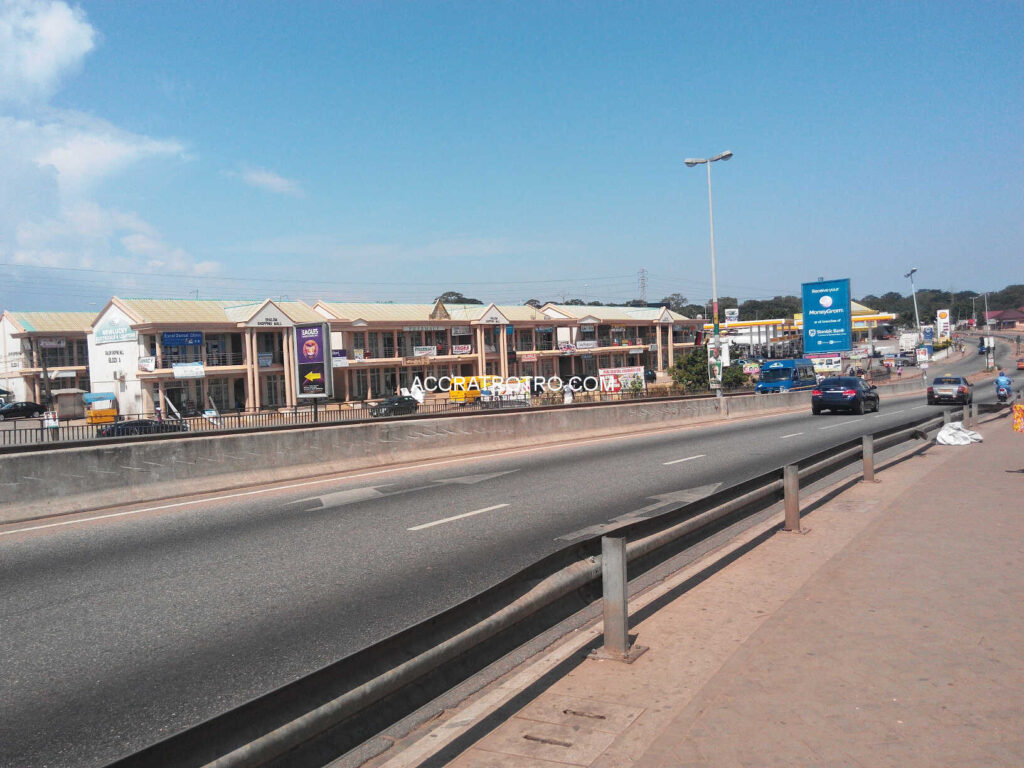
The Greater Accra Region (GAR) stands as the dynamic, administrative, and economic epicenter of Ghana. While the capital city, Accra, dominates the conversation, the region’s expansive growth relies heavily on a network of strategically located towns and burgeoning municipalities. Understanding the geography and key settlements of the GAR proves essential for business, investment, and planning.
This professional guide presents a definitive list of the major towns and urban areas that collectively drive the region’s expansive development, offering valuable insight for anyone exploring Ghana’s urban landscape.
Key Municipalities and the Metropolitan Hub
The GAR officially comprises several distinct metropolitan, municipal, and district assemblies (MMDAs), each contributing unique character and capacity to the regional infrastructure. We categorize these settlements based on their administrative and geographic roles.
1. The Central Urban Core
While the city proper encompasses several neighborhoods, key towns adjacent to the central business district (CBD) form the immediate core. These areas experience intense urbanization and high population density.
- Accra (Central): The primary administrative and financial hub.
- Osu: A prominent commercial and diplomatic center.
- Labadi: Known for its coastal access and residential areas.
- Cantonments: Housing key diplomatic missions and government structures.
- Teshie: A large, historic coastal town experiencing rapid modern expansion.
2. The Industrial and Harbour Towns (Tema and Environs)
The East, the Tema area operates as a massive economic engine, primarily handling Ghana’s industrial output and maritime trade.
- Tema: Designated as the Meridian City, Tema manages the country’s main seaport and hosts significant industrial zones.
- Ashaiman: Located strategically near Tema, Ashaiman supports the industrial workforce and maintains a bustling market economy.
- Kpone: A rapidly developing town focused on logistics and industry, particularly supporting the Tema Port expansion.
Expanding Urban Centers and Growth Corridors
Population growth pushes development outward, necessitating infrastructure development in the numerous surrounding towns. These municipalities offer residential relief and new commercial opportunities outside the immediate metropolitan rush.
3. Northern and Eastern Growth Corridors
These towns anchor the major highways connecting the capital to the Volta Region and the northern parts of the country. They attract major real estate investment and commuter populations.
- Madina: A major commercial and educational hub situated north.
- Adenta: A rapidly growing residential area providing housing for commuters.
- Dome: A key town within the Ga East Municipality, characterized by intense commercial activity.
- Abokobi: Located further north, offering a blend of historic settlement and developing residential estates.
- Prampram: A significant coastal town east of Tema, slated for major future commercial and airport-related development.
4. Western and Coastal Settlements
The towns situated along the western corridor connect to the Central Region and house essential infrastructure components, including water treatment facilities.
- Weija: Home to the Weija Dam and Reservoir, this town plays a crucial role in the region’s water supply.
- Kissi: Anchoring the western edge of the metropolitan area, Kissi manages significant traffic flow.
- Amasaman: The administrative capital of the Ga West Municipality, Amasaman drives urbanization along the route to Nsawam and the inland regions.
Finally
The Greater Accra Region demonstrates robust urban continuity, where the towns listed above do not merely serve as separate entities but function as interconnected nodes supporting the central economy. Development specialists and investors recognize that understanding the specific roles these various towns play—from the industrial might of Tema to the residential necessity of Adenta—provides the foundation for navigating Ghana’s premier economic landscape. We encourage stakeholders to recognize the full scope of the GAR, moving beyond the confines of the central area to appreciate the wider network of crucial settlements.


