


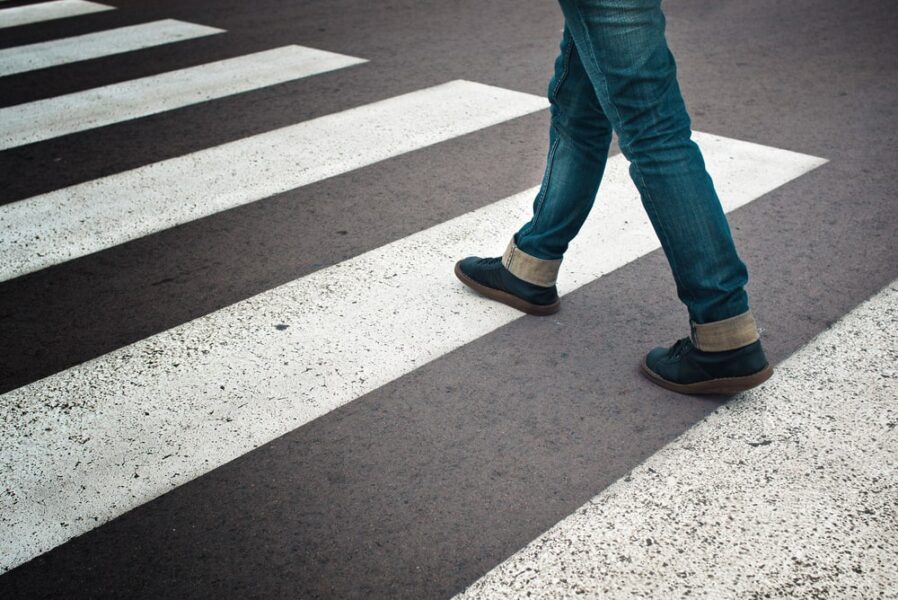
Implementing Proactive Strategies for Pedestrian Safety
Busy urban centers and high-traffic areas present unique challenges for pedestrians. Navigating crowded sidewalks, complex intersections, and active construction zones requires constant vigilance and adherence to established safety practices. Prioritizing pedestrian safety not only protects individuals but also contributes to better traffic flow and reduced accident rates. We explore essential, proactive steps every pedestrian can adopt to mitigate risks and stay safe in dynamic, busy environments.
1. Prioritize Situational Awareness
The single most effective tool for pedestrian safety involves reducing self-imposed distractions. A formal commitment to full attention dramatically lowers the risk of incidents.
Eliminate Distracted Walking
Pedestrians often compromise their safety by engaging in “distracted walking,” primarily involving mobile devices. When moving through busy areas, pedestrians must put away cell phones, avoid texting, and halt phone calls. We advise walkers to remove earbuds or maintain the volume low enough to hear approaching traffic, horns, and emergency sirens. Focus your attention entirely on the immediate environment, looking for potential hazards such as uneven pavement, fast cyclists, or reversing vehicles.
Maintain Visual Scanning
Actively scan your surroundings. Look left, right, and then left again before entering a roadway, even at marked crosswalks. Do not assume drivers see you; make sure they acknowledge your presence. Expanding your field of vision beyond the immediate path allows you to anticipate potential conflicts before they arise.
2. Execute Safe Crossing Techniques
Intersections and crosswalks represent the highest risk areas for pedestrian accidents. Correct technique minimizes exposure to vehicular traffic.
Utilize Designated Crosswalks and Signals
Always cross streets at designated crosswalks or intersections controlled by traffic signals. These locations provide the highest legal right-of-way and the clearest communication with drivers. Wait for the appropriate “Walk” signal. If a signal uses a countdown timer, ensure you have sufficient time to clear the intersection completely before the timer reaches zero. Never attempt to cross against a red light or a “Don’t Walk” signal.
Establish Eye Contact with Drivers
Right-of-way protections do not guarantee safety. Experts recommend that pedestrians establish direct eye contact with drivers of turning or approaching vehicles before stepping into the traffic lane. This visual confirmation ensures the driver has registered your presence and intends to yield. If you cannot confirm acknowledgement, wait.
3. Enhance Personal Visibility
In busy areas, especially during low-light conditions—dawn, dusk, or nighttime—pedestrians bear the responsibility of maximizing their visibility to traffic.
Choose High-Contrast Attire
When walking at night, wear light-colored clothing or apparel featuring reflective materials. Reflective vests, armbands, or strips on backpacks significantly increase the distance at which drivers identify a pedestrian. Even in well-lit downtown areas, dark clothing significantly reduces reaction time for drivers.
Carry a Light Source
Consider carrying a small flashlight or utilizing a phone’s light feature when navigating poorly lit sidewalks or crossing complex parking lots. Directing the light toward the ground near you helps drivers track your movement and illuminates trip hazards.
4. Adhere to Traffic Laws and Sidewalk Etiquette
Understanding and obeying local laws ensures predictable and safe movement within the traffic ecosystem.
Walk on Sidewalks
Always use the provided sidewalks. If a sidewalk is unavailable, walk facing oncoming traffic. This positioning allows you to see approaching vehicles and gives you a critical moment to react if a driver deviates from their lane.
Give Way to Others
When walking on crowded sidewalks, maintain a steady path. In highly congested areas, keep to the right side of the sidewalk where possible, allowing others to pass safely. Avoid darting suddenly into the street or stopping abruptly, which can startle cyclists or other pedestrians.
In Sum
Staying safe in busy areas requires consistent discipline and acute awareness. Pedestrians must actively use caution, minimize digital distractions, confirm driver intent, and maximize their visibility. By fully adopting these proactive strategies, individuals significantly enhance their personal safety and contribute to a more secure environment for everyone using our busy roadways and walkways.


