


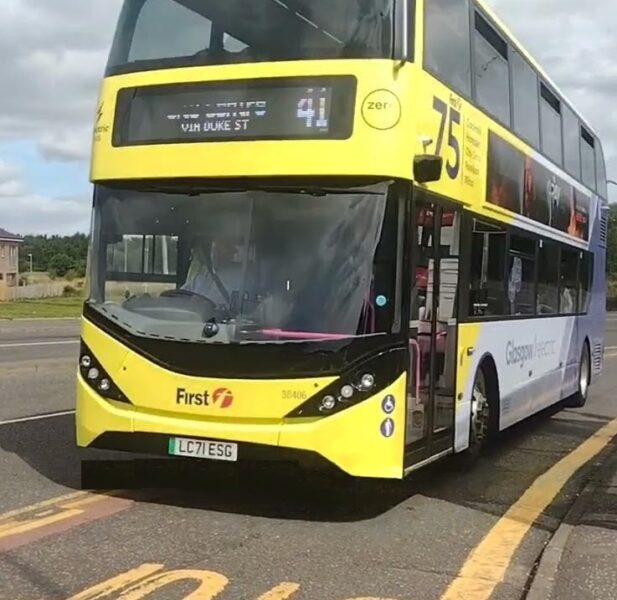
Commuting between the eastern edges of Greater Glasgow—specifically Baillieston and Easterhouse—and Scotland’s capital, Edinburgh, requires careful route planning. Whether you travel for employment, study, or leisure, understanding your transit options ensures an efficient journey.
According to data from Transport Scotland, regional connectivity between the central belt continues to experience high passenger volumes, particularly during peak morning and evening windows.
Route Overview and Travel Modes
Commuters typically choose between rail services and road networks. Each option presents distinct advantages regarding duration, cost, and reliability.
1. Rail Travel
Rail offers a reliable alternative to driving, bypassing urban congestion. While neither Easterhouse nor Baillieston stations host direct, high-speed intercity trains to Edinburgh Waverley, seamless connections via Glasgow Queen Street or Glasgow Central make the journey straightforward.
- Baillieston to Edinburgh: Passengers generally board services toward Glasgow and transfer, or drive short distances to larger regional hubs like Garscadden or shift to the A8/M8 corridor.
- Easterhouse to Edinburgh: Local ScotRail services connect Easterhouse to Glasgow Queen Street, where frequent express trains depart for Edinburgh Waverley every 15 minutes.
2. Road Travel (Car and Bus)
Positioned directly adjacent to the M8 motorway, both Baillieston and Easterhouse provide immediate access to the primary arterial route connecting Glasgow and Edinburgh.
Research published by the University of Glasgow’s Urban Studies department highlights that central belt commuting heavily relies on the M8 corridor, though peak-hour congestion frequently impacts journey times.
Comparative Transport Statistics
| Mode of Transport | Average Journey Time | Peak Cost Efficiency | Primary Route / Hub |
|---|---|---|---|
| Car (Via M8) | 50 – 70 minutes | Moderate (Fuel dependant) | M8 Motorway |
| Train (Via Glasgow) | 75 – 90 minutes | High (With advance tickets) | ScotRail / Network Rail |
| Bus / Coach | 90 – 120 minutes | High | Buchanan Bus Station |
“Integrated regional transport policies significantly reduce single-occupancy car journeys across the Central Belt, improving environmental outcomes for suburban transit corridors.” — The Chartered Institute of Logistics and Transport (CILT).
Unique Insights for Regular Commuters
- The Peak Window Shift: Traffic monitoring reports from Traveline Scotland indicate that departing before 06:30 AM reduces M8 journey times by up to 25%.
- Station Parking Realities: Commuters driving to local railway stations should note that parking spaces at Easterhouse and Baillieston stations fill rapidly before 08:00 AM on weekdays.
- Smart Ticketing: Utilizing a Smartcard streamlines multi-modal travel between local ScotRail services and connecting onward transit.
Frequently Asked Questions
What is the fastest way to travel from Easterhouse to Edinburgh?
Driving via the M8 motorway typically offers the fastest door-to-door travel time outside of peak rush hours, usually taking around 50 to 60 minutes.
Are there direct trains from Baillieston to Edinburgh?
No direct services operate between Baillieston and Edinburgh Waverley. Passengers must change trains at a Glasgow terminus or travel via alternative regional interchanges.
How does peak traffic affect the M8 route?
Data from Transport Scotland shows that morning congestion between Junction 8 (Baillieston) and the capital can extend driving times by up to 45 minutes between 07:30 AM and 09:00 AM.
Can I use contactless payment on local rail services?
Most ScotRail stations and routes support digital ticketing and smartcards, though purchasing tickets in advance via official rail applications often secures lower fares.
Where can I check real-time updates for my commute?
Travelers should consult Traveline Scotland for live public transport updates and road traffic reports before beginning their journey.


