


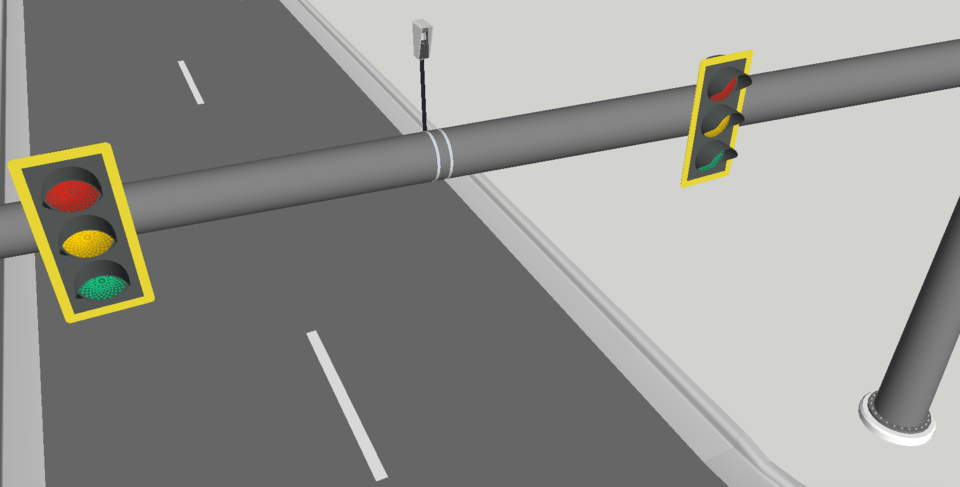
Urban centers worldwide grapple with vehicular congestion. Traditional traffic lights operate on fixed schedules, often failing to adapt to real-time road conditions. This inefficiency costs time, fuel, and impacts the environment. Enter intelligent lights – a cornerstone of modern urban planning. These smart systems dynamically adjust to traffic demands, revolutionizing urban navigation. This article explores the sophisticated mechanisms behind intelligent traffic lights and explains how they enhance urban mobility.
What are Intelligent Traffic Lights?
They are smart traffic signals or adaptive traffic control systems which significantly advance traditional traffic management. Unlike conventional lights that cycle through pre-set timings, intelligent systems continuously monitor and respond to actual traffic flow. They leverage advanced technologies to make real-time decisions, prioritizing vehicles and pedestrians. This proactive approach aims to keep traffic moving and reduce delays.
How Do They Work?
1. Data Collection
Sensors form the eyes and ears of these systems. Various technologies gather crucial road condition information. Inductive loop detectors embedded beneath the pavement sense vehicle presence and volume. Radar sensors measure vehicle speed and distance. Cameras provide visual data for vehicle classification, queue length estimation, and pedestrian detection. Lidar technology also offers precise distance and speed measurements. These sensors continuously feed raw data into the system.
2. Data Processing and Analysis
Collected data travels to powerful central processing units or edge computing devices at the intersection. Sophisticated algorithms analyze this information in real-time. These algorithms identify patterns, predict conditions, and assess congestion. They determine the optimal timing for each signal phase based on actual demand, not just pre-programmed schedules. The system learns and adapts, refining its operational strategy.
3. Adaptive Control
Based on the analysis, the intelligent light system dynamically adjusts signal timings. If a major road experiences heavy traffic, the system extends its green light duration. Conversely, it shortens green times for less busy approaches. These systems also communicate with adjacent intersections, optimizing flow across an entire corridor or network. Furthermore, intelligent lights can prioritize emergency vehicles, ensuring they receive green signals to reach their destinations faster and safer.
Benefits
These systems offer substantial advantages for urban environments. They significantly reduce traffic congestion and minimize motorist wait times. This leads to improved average travel speeds and increased traffic efficiency. By keeping vehicles moving, these systems also lower fuel consumption and reduce greenhouse gas emissions, fostering a healthier environment. Moreover, adaptive control enhances safety by managing queues and optimizing pedestrian crossing times.
The Future of Traffic Management
The applications represent a core component of future smart cities. As technology evolves, these systems will integrate further with connected vehicles (V2X communication) and broader urban data platforms, creating seamless, responsive traffic management solutions. This ongoing innovation promises to reshape urban mobility for generations to come.
Conclusion
Intelligent traffic lights are transforming urban landscapes, moving beyond static timers to dynamic, responsive systems. By harnessing real-time data, advanced algorithms, and adaptive control, they actively combat congestion, enhance safety, and pave the way for more efficient and sustainable cities. Understanding their operation illuminates technology’s vital role in shaping daily commutes and improving urban living.


