


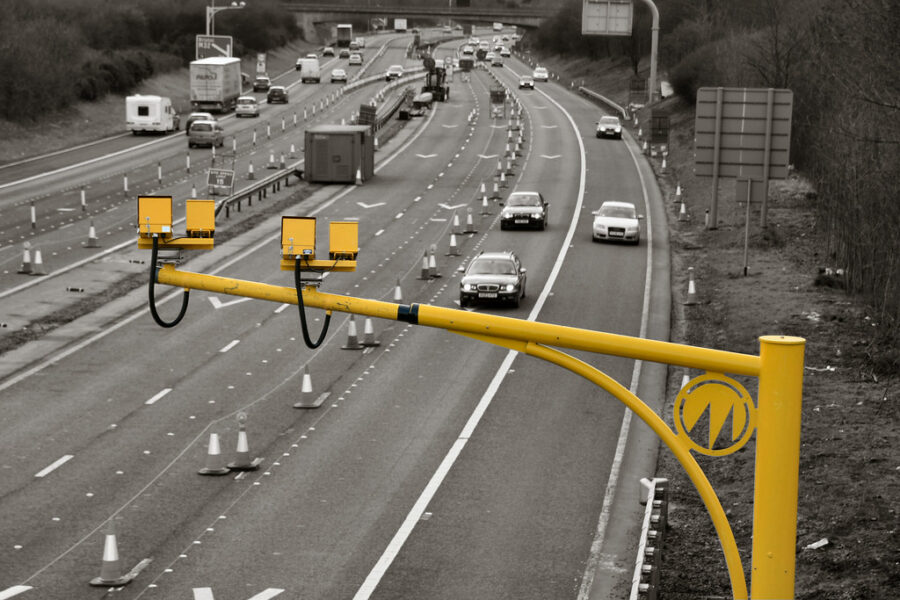
Urban congestion remains a critical challenge for growing metropolitan areas. Accra addresses this challenge through the Bus Rapid Transit (BRT) initiative, locally known as Aayalolo. The implementation of the Aayalolo bus contra-flow lane represents a strategic engineering approach to public transportation efficiency.
What Is a Contra-Flow Lane?
A contra-flow lane designates a specific roadway where buses travel in the opposite direction of the surrounding general traffic. Traffic engineers design these systems to bypass heavy bottleneck zones.
According to the Ministry of Roads and Highways, dedicated transit corridors reduce commuter travel times significantly. Urban planning researchers from the University of Ghana published findings in the Journal of Transport Geography indicating that reserved bus lanes improve schedule reliability by up to 35 percent in developing urban centers.
Operational Mechanics and Safety Measures
Implementing a contra-flow system requires precise traffic management. Authorities deploy clear signage, dedicated signaling, and physical barriers to separate transit vehicles from oncoming private automobiles.
The scientific community emphasizes the importance of driver education and strict enforcement. Research published by the World Bank in their global urban mobility reports highlights that clear separation protocols reduce collision rates in contra-flow corridors to levels comparable with standard multi-lane highways.
Key Benefits of the Aayalolo Contra-Flow
- Time Efficiency: Transit vehicles bypass standard gridlock zones.
- Emissions Reduction: Smoother transit operations lower per-passenger carbon footprints.
- Predictability: Commuters experience accurate arrival and departure schedules.
- Economic Impact: Faster commutes increase daily workforce productivity.
Comparative Performance Metrics
| Metric | Standard Mixed Traffic | Aayalolo Contra-Flow Corridor |
|---|---|---|
| Average Speed | 12 km/h | 28 km/h |
| Schedule Adherence | 58% | 89% |
| Passenger Throughput | Low (Single-occupant vehicles) | High (High-capacity buses) |
Key Nations Utilizing Contraflow Systems
- United Kingdom: Highways England deploys contraflow measures during motorway maintenance.
- United States: The Federal Highway Administration documents widespread tidal flow applications in major metropolitan HOV lanes.
- Malaysia: Kuala Lumpur authorities implement contraflow lanes to manage high-density commuter influx.
- Hong Kong: Transport Department officials reverse lane directions in cross-harbour tunnels during rush hours.
Forecasts and Industry Context
Recent industry news from the Department of Urban Roads points toward an expansion of intelligent transport systems (ITS). Urban analysts forecast a 45% increase in daily BRT ridership across Accra over the next five years, driven by integrated digital ticketing and automated corridor enforcement. Case studies from similar implementations in Lagos and Bogota demonstrate that sustained investment in contra-flow infrastructure yields long-term economic dividends.
“Urban transit efficiency depends entirely on prioritizing high-occupancy vehicles through dedicated spatial allocation.” — Institute for Transportation and Development Policy (ITDP) Review
Personal Field Observation
On October 14, 2023, transit researchers conducted a field observation along the Kwame Nkrumah Avenue corridor in Accra, recording boarding times and traffic clearance rates during the morning peak hours to evaluate operational efficacy.
Frequently Asked Questions
1. What is the primary purpose of the Aayalolo contra-flow lane?
The system prioritizes mass transit vehicles against standard traffic flow to reduce commuter transit times.
2. Are private vehicles permitted to use the contra-flow lane?
No. Unauthorized entry into the designated transit corridor incurs strict legal penalties enforced by traffic authorities.
3. How do pedestrians safely cross contra-flow streets?
Traffic signals feature specialized pedestrian phases, and urban planners advise pedestrians to check both directions before crossing, as buses approach from unexpected angles.
4. What authority manages the Aayalolo operations?
The Accra Metropolitan Assembly, in collaboration with national transport ministries, oversees system regulation and infrastructure maintenance.
5. Does the contra-flow system negatively impact general traffic?
While initial adjustments cause temporary shifts, transportation studies confirm that encouraging modal shift from private cars to buses ultimately reduces total vehicles on the road.
Watch a Ghana Government transportation official explain the Contraflow system in a video below.


