


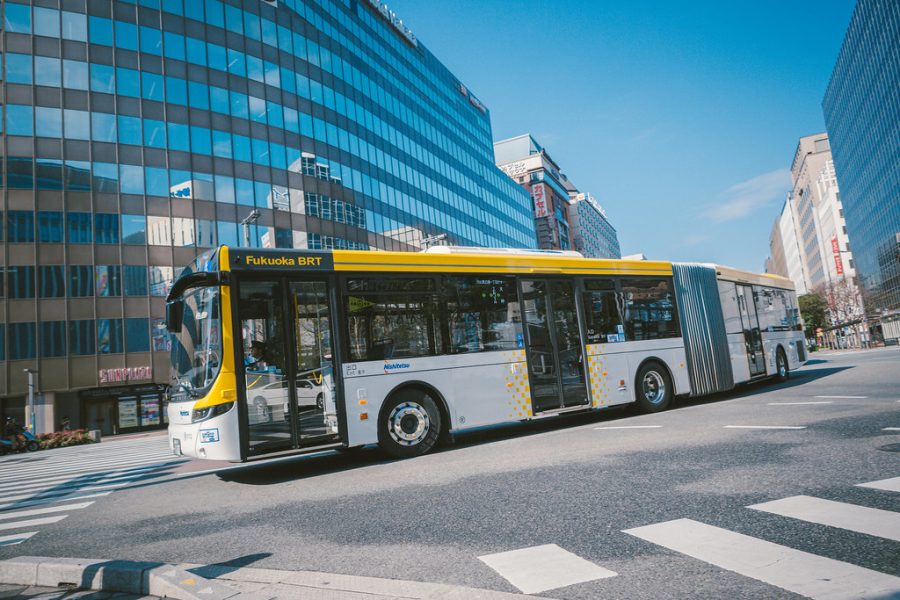
Urban mobility is no longer just about getting from point A to point B. It’s about creating sustainable, efficient, and equitable transportation and bus schedule for bus systems. This feature enhances the lives of residents and contribute to a healthier planet. Faced with growing populations and increasing environmental concerns, many cities are stepping up and innovating in remarkable ways. Here are eight cities leading the charge in urban mobility:
THE MAIN CITIES
Amsterdam, Netherlands: A cycling paradise, Amsterdam boasts an extensive network of bike lanes and policies that prioritize cyclists and pedestrians. The city’s commitment to sustainable transportation extends to public transportation with a comprehensive tram and bus system.
Copenhagen, Denmark: Similar to Amsterdam, Copenhagen has embraced cycling culture. The city’s investment in cycling infrastructure, coupled with initiatives promoting electric vehicles and public transport, makes it a model for sustainable urban mobility.
Singapore: This island nation excels at integrating technology into its transport system. From smart traffic management systems to autonomous vehicle trials and a highly efficient public transit network, Singapore is a hub for innovative mobility solutions.
Helsinki, Finland: Known for its MaaS (Mobility-as-a-Service) platform, Whim, Helsinki allows residents to plan and pay for all their transportation needs through a single app. This integration of public transport, ride-sharing, and bike-sharing promotes a seamless and efficient travel experience.
OTHER PLACES
Tokyo, Japan: Renowned for its punctuality and efficiency, Tokyo’s public transport system is a marvel. Combining an extensive subway network with high-speed rail and bus services, Tokyo offers a seamless and reliable way for residents to navigate the city.
Medellin, Colombia: Medellin has transformed its urban landscape with innovative solutions like the Metrocable, a cable car system that connects low-income communities in the hills to the city center. This unique solution has significantly improved accessibility and social equity.
New York City, USA: While facing unique challenges due to its scale, New York City is making strides in urban mobility. From expanding its subway system to developing protected bike lanes. They include embracing electric buses, the city is investing in a more sustainable and efficient future.
SUMMARY
These eight cities demonstrate that innovative thinking, strategic investment, and a commitment to sustainability. These attributes are ingredients for building effective urban bus schedule for bus mobility systems. By prioritizing public transport, cycling, and technology, they are creating more livable, equitable, and environmentally friendly. They also set a positive example for cities around the world.


