


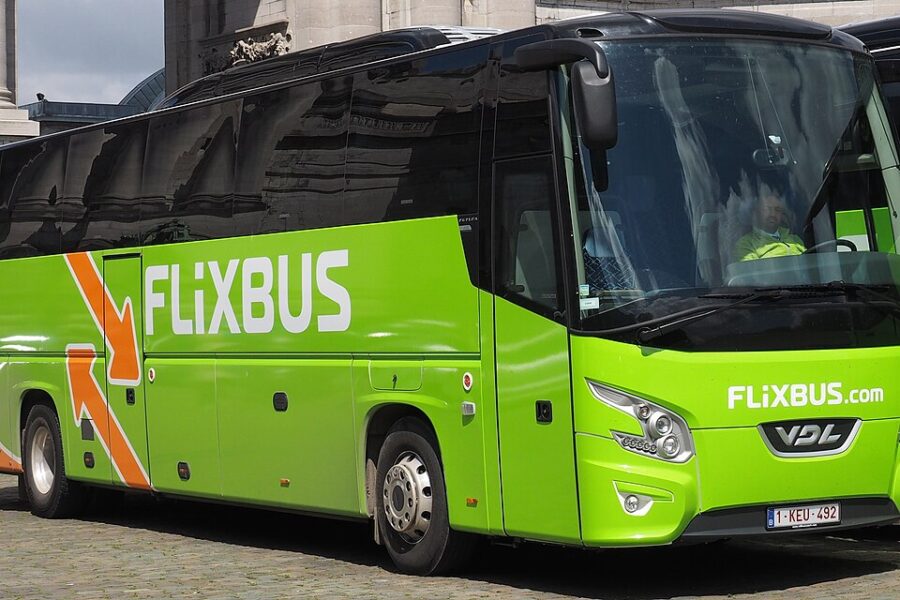
Victoria Coach Station serves as the primary gateway for millions of travelers moving through London each year. Amidst the bustling activity of this major transit hub, one brand consistently captures the largest share of passenger traffic: FlixBus. From business commuters to international tourists, travelers increasingly choose the vibrant green buses for their journeys. This dominance stems from a sophisticated combination of operational efficiency, technological integration, and strategic market positioning.
A Tech-First Approach to Modern Travel
FlixBus redefined the long-distance coach industry by operating as a technology company rather than a traditional bus operator. By leveraging an agile digital platform, FlixBus manages a vast network of Edinburgh bus routes with precision. Passengers utilize a seamless mobile application to book tickets, track real-time locations, and receive instant updates regarding their departure bays at Victoria. This user-centric interface reduces friction, encourages repeat bookings, and positions the brand as the most accessible option for tech-savvy travelers passing through London.
Strategic Network Connectivity
The dominance of FlixBus at Victoria Coach Station relies heavily on its expansive network. The company connects London to hundreds of destinations across the United Kingdom and Europe. By maintaining a high frequency of departures, FlixBus guarantees that travelers find a time slot that matches their schedule.
This density of service creates a network effect; as more travelers frequent the service, the brand increases its presence at the station, subsequently attracting even more passengers. Furthermore, FlixBus integrates its scheduling with local transit systems, ensuring that passengers experience a smooth transition from city streets to international highways.
Competitive Pricing and Dynamic Value
Price remains a deciding factor for the average traveler. FlixBus employs sophisticated dynamic pricing algorithms to offer competitive fares regardless of the booking window. While legacy coach services often struggle with inflexible pricing models,
FlixBus adjusts costs based on demand. This strategy allows the company to fill seats consistently, maximizing load factors and ensuring that transit remains affordable for students, families, and budget-conscious professionals. By keeping costs low without sacrificing reliability, FlixBus effectively outmaneuvers legacy carriers that rely on outdated reservation systems.
Sustainability and Brand Visibility
In an era where travelers increasingly prioritize environmental impact, FlixBus promotes its services as a greener alternative to private car travel and short-haul flights. The company continuously invests in a modern, fuel-efficient fleet, which resonates with the values of today’s general public.
Furthermore, the striking green branding of FlixBus vehicles creates undeniable visual dominance at Victoria Coach Station. This consistent brand identity acts as a continuous marketing effort, reinforcing the company’s status as the market leader every time a coach pulls into the station.
Conclusion
FlixBus dominates Victoria Coach Station by prioritizing the passenger experience through innovation. By combining high-frequency scheduling, a robust digital infrastructure, and a firm commitment to competitive pricing, the brand transformed itself from a disruptor into an industry standard. As regional and international travel demand continues to rise, FlixBus remains perfectly positioned to facilitate millions of seamless journeys from the heart of London.


