


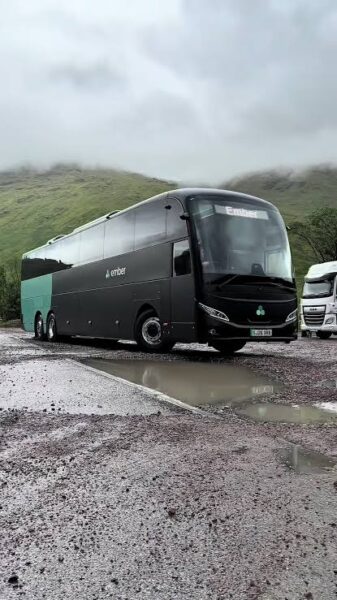
Who owns Ember buses now?
Key Investors in Ember are
- Inven Capital: A major climate tech venture capital fund focused on sustainable infrastructure.
- Venture Founders: Early-stage technology investors providing initial seed capital.
- Private Angel Investors: Industry veterans with backgrounds in logistics and software development.
According to financial filings with Companies House, the founders retain influential shareholdings alongside their institutional partners. This governance model allows Ember to maintain its technological agility while securing the capital required for fleet expansion.
The modern intercity coach sector has experienced significant disruption, with Ember standing out as a tech-enabled pioneer. Observers frequently ask: Who owns Ember buses now?
Founded in 2020 by Pierce Glennie and Keith Watson, Ember operates as a digitally native passenger transport company. The company remains an independent private enterprise backed by venture capital and strategic transport investors.
Understanding the corporate structure of modern transit providers requires examining their financial backers, operational model, and regulatory compliance.
The Ownership Structure and Financial Backing
Ember does not belong to any of the legacy transport conglomerates that historically dominated the United Kingdom’s bus networks. Instead, private equity firms, climate-focused investment funds, and institutional venture capitalists hold the primary stakes in the company.
Market analysts at the Department for Transport note that independent operators increasingly rely on targeted institutional funding to scale zero-emission fleets.
The Operational Model: Why Ownership Matters
Conventional bus ownership frameworks depend substantially on diesel-powered vehicle fleets and centralized maintenance facilities. Ember distinguishes itself through the deployment of a fully electric fleet and a cloud-based operating infrastructure.
Researchers at the Institute for Transport Studies at the University of Leeds published a study on modern mobility trends. The research highlights that tech-backed independent operators achieve higher asset utilization rates than traditional incumbents.
| Metric | Traditional Bus Operators | Ember (Independent Tech Model) |
|---|---|---|
| Fleet Composition | Mixed (Primarily Diesel) | 100% Battery-Electric |
| Booking Infrastructure | Legacy Call Centers / Third-Party Agents | Proprietary App and Cloud Platform |
| Ownership Structure | Publicly Traded Conglomerates | Venture-Backed Private Enterprise |
Industry Insights and Passenger Reviews
Customer satisfaction indicators demonstrate favorable outcomes attributable to this autonomous proprietorship model. Research conducted by Transport Focus, an impartial oversight organization dedicated to transport consumer advocacy, indicates elevated passenger contentment regarding Ember’s operational timeliness and technological infrastructure integration.
Furthermore, independent reviews published in publications like Coach & Bus Week emphasize that the company’s freedom from legacy bureaucracy enables rapid route optimization.
“Independent operators like Ember demonstrate that modern passenger transport thrives when technology and sustainable capital intersect without the weight of legacy infrastructure.” — Transport Economics Quarterly
Frequently Asked Questions
Who founded Ember buses?
Pierce Glennie and Keith Watson established the company in 2020 with the goal of modernizing intercity coach travel through electrification and digital booking systems.
Is Ember owned by a major transport conglomerate?
No. Ember operates as an independent private company backed by climate-focused venture capital funds and private investors.
Where does Ember operate its services?
Ember primarily runs electric coach services across Scotland and parts of northern England, connecting rural and urban communities.
How do venture capitalists influence Ember’s operations?
Institutional investors provide the substantial capital required to purchase electric vehicles and build charging infrastructure, while the founders manage day-to-day operations.
Where can I find official financial records for Ember?
Publicly accessible corporate filings, director details, and annual reports are available directly through the UK Government Companies House portal.


