


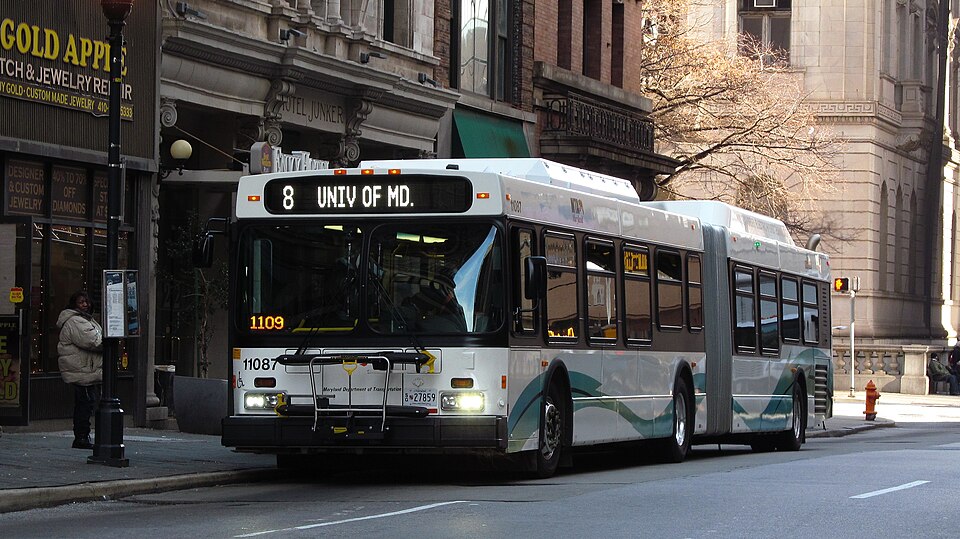
In the practice of logistics and mobility, two terms are often used interchangeably: transit and transport. However, they convey distinct meanings that are essential to grasp, particularly for individuals and organizations involved in the movement of goods, services, or people.
The meaning of transit
Transit refers to the act of passing through a specific point or area, often temporarily, without changing the mode of transportation. For example, when a shipment travels through a country without being offloaded or transferred to a different vehicle, it is in transit. This term emphasizes the journey, focusing on the intermediate stages between the origin and final destination.
The definition of transport
Transport, on the other hand, encompasses the entire process of moving goods, services, or people from one location to another. This term encompasses all aspects of the journey, including loading, unloading, and the various modes of transportation used, such as air, land, or sea. Transport involves the physical movement of items or individuals, often requiring coordination and planning to ensure efficient and safe delivery.
An example to assist you understand the difference
To illustrate the difference, consider a package being shipped from one city to another. The package is in transit when it passes through a sorting facility or a transfer point. The overall process of moving the package from the sender to the recipient is an example of transport. By recognizing the distinction between these two terms, individuals and organizations can better navigate the complexities of logistics. At the same time, they ensure seamless movement of goods, services, and people.


