


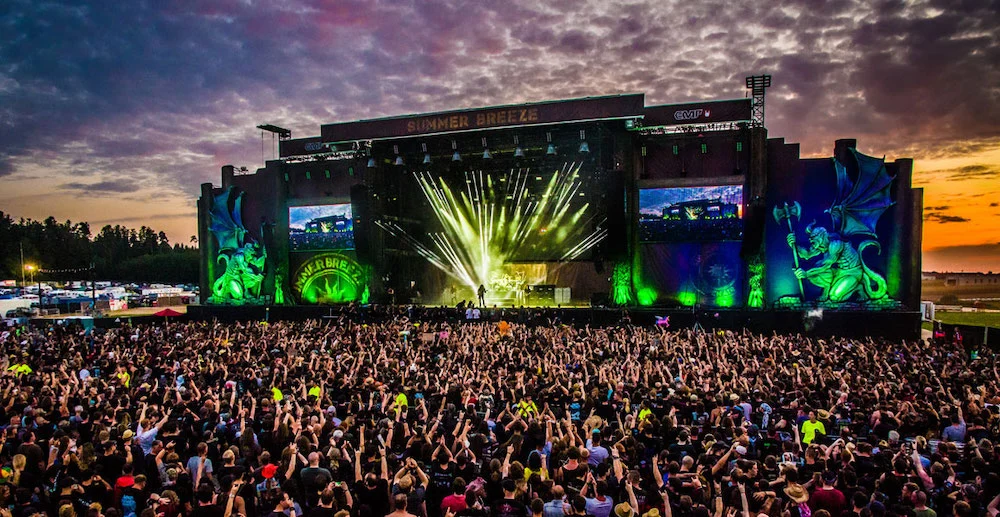
The African Festival Concert stands as a celebration of the continent’s rich cultural heritage in the capital of Ghana. It has the aim of bringing together diverse musical traditions, artistic expressions, and communal spirit. Rooted in the rhythmic heartbeat of Africa, these events transcend mere entertainment, serving as dynamic platforms for storytelling, cultural preservation, and intergenerational dialogue. Organized in cities across Africa and the African diaspora, such festivals unite audiences in a shared experience of history, resilience, and collective identity.
The key principles
At the core is the kaleidoscopic tapestry of musical styles that reflect the continent’s diversity. From the polyrhythmic drumming of West African djembes to the intricate melodies of the kora, a 21-stringed harp-lute from Mali, the performances embody centuries of oral traditions and artisanal craftsmanship. Modern interpretations, such as Afrobeat, highlife, and mbube, further enrich the sonic landscape, blending ancestral harmonies with contemporary influences. These concerts are not passive spectacles; they invite audiences to become participants, encouraging claps, chants, and movements that mirror the communal nature of African music-making.
The culture of instruments
The instruments themselves hold profound cultural significance. The mbira, or thumb piano, of the Shona people in Zimbabwe is often played during ceremonies to connect with ancestral spirits. Similarly, the taarab music of East Africa, performed on the oud and violin, narrates tales of love and resistance through its lilting melodies. In these moments, the concert becomes a living archive, where each note and rhythm carries the weight of history while resonating with present-day aspirations.
Traditional clothing
Beyond the music, festivals foster a sense of belonging that transcends borders. Attendees in vibrant traditional attire—be it the flowing boubous of Senegal, the kanga shawls of Tanzania, or the beadwork of Lesotho—create a visual mosaic of Africa’s cultural plurality. Elders recount proverbs and folktales, while youth reinterpret them through street art, poetry, and hip-hop. This interplay between generations underscores the festival’s role as a nexus of continuity and innovation, where heritage is not static but a living force that evolves.
Moreover, the event acts as a bridge between local communities and global audiences. By showcasing the depth of African creativity, it challenges stereotypes and fosters cross-cultural understanding. Collaborations with international artists often emerge from these gatherings, creating new hybrids that honor African roots while embracing global influences. In a world marked by fragmentation, such events remind us of the unifying power of art.
In Sum
The African Festival Concert is more than a musical spectacle—it is a testament to the enduring vitality of African culture. Through its rhythms, stories, and communal ethos, it weaves a narrative of resilience, creativity, and shared humanity. As the final notes fade into the night, the festival leaves an indelible imprint, not just on those present, but on the collective consciousness of a world yearning for deeper connection.


