


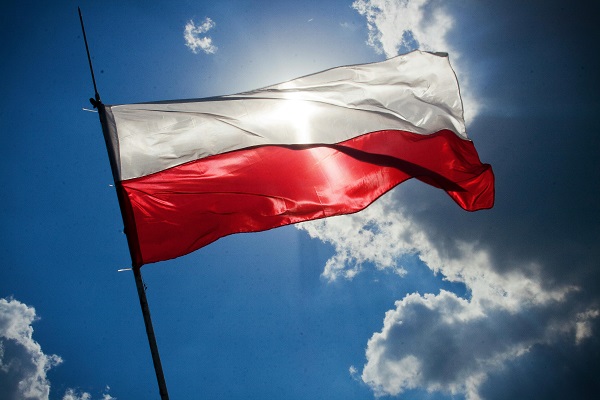
The name “Kempinski” carries a rich historical legacy, deeply rooted in Central European heritage. Many individuals encounter this name through the global reputation of the luxury hotel group, yet the origins of the moniker reflect a specific linguistic and regional evolution. Understanding the etymology of Kempinski provides insight into the history of the families who first adopted it.
Linguistic Roots and Geographic Origins
The name Kempinski originates from the Slavic and Germanic regions of Central Europe. Linguists categorize it as a habitational or locational surname. It derives from the Polish town of Kępno or similar variations of the root word “Kępa,” which translates to an island, a river islet, or a small cluster of trees.
Historically, suffixes like “-inski” functioned as markers of origin. In the Polish naming tradition, adding this suffix to a place name indicated that an individual hailed from that specific location or held land within that jurisdiction. Consequently, the name signifies “one who comes from Kępno” or a similar locality bearing that topographic description. Over time, as populations migrated across borders—particularly during the 19th and early 20th centuries—the spelling stabilized into the “Kempinski” form commonly recognized today.
The Evolution of the Surname
While the roots remain firmly planted in Slavic linguistic traditions, the name gained prominence within the German-speaking world due to the migration patterns of the 1800s. Berthold Kempinski, the visionary entrepreneur who founded the eponymous hotel group, established his business in Berlin in the late 19th century. Although his roots trace back to Posen (now Poznań, Poland), his professional achievements cemented the name within the German cultural and economic landscape.
This transition illustrates how surnames often transcend their original geographic borders. As the Kempinski family expanded their business interests from wine trading to fine dining and luxury hospitality, they transformed the surname from a regional identifier into a globally recognized brand synonymous with European luxury.
Cultural Significance
Today, the name carries a dual identity. It serves as a genealogical marker for families of Polish or Eastern European descent, while simultaneously acting as a hallmark of high-end international hospitality.
When researchers or enthusiasts investigate the nationality of the name, they discover a narrative of mobility and integration. The name bridges the gap between historical Slavic land-naming customs and the modernist expansion of the late 19th-century European commercial class.
Summary
“Kempinski” is a name of Polish origin, constructed through traditional Slavic naming patterns. It reflects the topographic features of the landscapes where the name first emerged. Through centuries of history, it has evolved from a local descriptor into a symbol of international prestige, maintaining its cultural integrity while earning a secure place in the global lexicon of luxury.


