


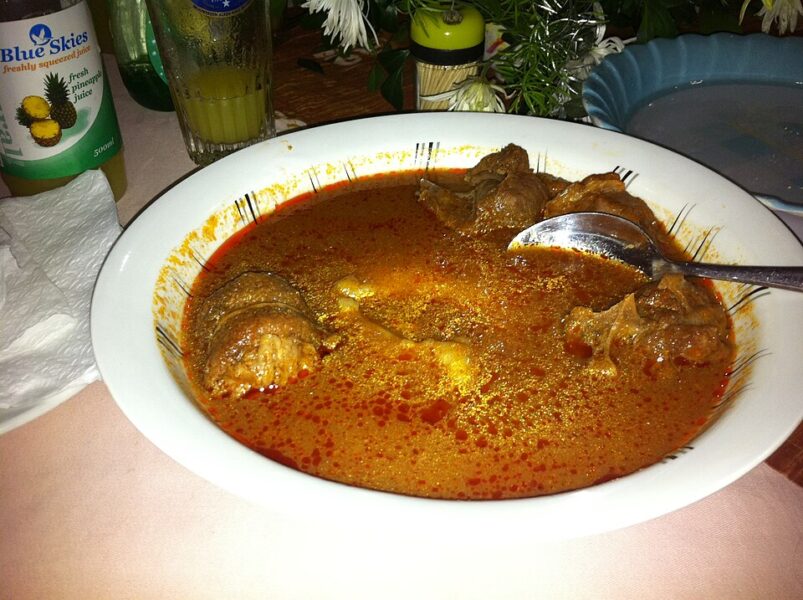
The types of food eaten in Ghana are local staples, indigenous beverages and roast tuber snacks. Ghanaian cuisine reflects the country’s rich cultural tapestry, abundant natural resources, and vibrant market life. From the streets of Accra to the coastal villages of the Volta Region, meals combine fresh ingredients, bold spices, and time‑honored cooking methods. The result is a flavorful culinary landscape that welcomes both locals and visitors.
Core Staples
Ghanaians build most meals around a few essential staples:
Staple Typical Use Why It Matters
Rice Served plain, fried, or cooked with tomatoes and spices in dishes such as Jollof rice and Waakye. Rice feeds the nation; its versatility lets cooks adapt flavors to every occasion.
Maize (Corn) Ground into maize meal for banku and kenkey, or boiled as cocoyam. Maize provides a hearty base for many soups and stews.
Cassava can be transformed into fufu, gari, or fried as cassava chips. This root vegetable serves as a gluten-free alternative that wonderfully absorbs sauces.
Plantains are typically roasted, fried, or boiled, and are often enjoyed with fish or meat. They bring a natural sweetness and a delightful texture to meals.
These staples anchor the Ghanaian table, allowing chefs to showcase a spectrum of sauces, proteins, and vegetables.
Signature Dishes
Jollof Rice – Cooked with tomatoes, onions, bell peppers, and a blend of ginger, garlic, and Scotch bonnet chilies. Each region adds its own twist, but the dish always delivers a smoky, mildly spicy flavor.
Waakye – Combines rice and beans, colored with millet leaves for a distinctive hue. Ghanaian street vendors serve Waakye with boiled eggs, fish, fried plantains, and a spicy shito sauce.
Fufu & Light Soup – Pound cassava, plantain, or yam into a smooth, stretchy dough. Pair fufu with light soup—a clear, tomato‑based broth simmered with goat meat, fish, or chicken.
Kelewele – Cube ripe plantains, coat them with ginger, garlic, and chili powder, then fry until caramelized. Serve as a snack or side dish.
Groundnut Soup – Simmer peanuts, tomatoes, onions, and smoked fish into a thick, nutty sauce. Spoon the soup over rice, fufu, or boiled yam for a comforting meal.
Regional Highlights
Northern Region: Residents favor tuwone, a millet porridge, and zomkom, a smoked meat stew enriched with local spices.
Coastal Regions: Fresh seafood is predominant; meals like grilled lobster, coconut-spiced fish, and pepper soup highlight the ocean’s abundance.
Eastern Region: The area’s fertile lands produce abundant palm nuts, leading to popular palm nut soup served with fufu.
Popular Beverages
Palm Wine – Derived from the sap of palm trees, it undergoes natural fermentation, yielding a sweet-sour taste with a modest level of alcohol.
Sobolo – Brewed from hibiscus flowers, ginger, and pineapple, this ruby‑red drink refreshes with a tangy zest.
Beverage “Ato” – A locally brewed, low‑alcohol malt drink that accompanies many social gatherings.
Dining Etiquette
Ghanaians greet guests with a warm smile and often share meals from a common bowl. Use your right hand when eating, as the left hand remains reserved for personal hygiene. When a host offers you food, accept a modest portion; the host will gladly replenish your plate.
Summary
Ghanaian cuisine is built upon a base of staple grains, fresh vegetables, and fragrant spices.
Whether you try street-side Waakye, partake in a family-style Jollof rice meal, or enjoy a refreshing glass of Sobolo, you will encounter the warmth of the country’s hospitality and its culinary creativity.
Delve into these dishes and uncover how the flavors of Ghana narrate the tale of its people, landscape, and heritage.


