


London functions as a global hub, and its infrastructure supports millions of journeys every day. For residents and visitors alike, understanding the city’s vast transportation network is essential for navigating its historic streets and modern districts efficiently. London offers a sophisticated, integrated system that connects every corner of the capital.
The London Underground (The Tube)
The London Underground, affectionately known as “The Tube,” serves as the backbone of the city’s transit system. As the world’s oldest subterranean railway, it links 272 stations across 11 lines. The Tube provides the fastest way to travel across central London and into the surrounding boroughs. Most commuters rely on this extensive network for daily travel due to its high frequency and reliability. You can easily navigate the system by following the iconic color-coded map and utilizing contactless payment methods or an Oyster card.
Iconic Red Buses
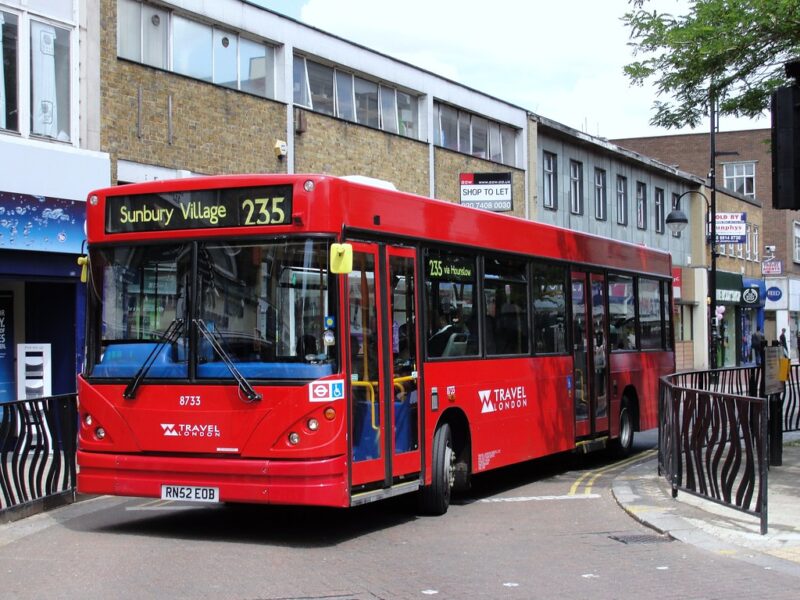
If the Underground moves the city underground, the iconic red buses move it above ground. London operates one of the largest bus networks in the world, covering over 700 routes. Buses offer a cost-effective and scenic alternative to the Tube, allowing passengers to view the city’s landmarks between stops. Notably, the network operates 24 hours a day, ensuring that transit remains accessible even during late-night hours. The modern fleet utilizes low-emission vehicles, reflecting the city’s ongoing commitment to sustainable transportation.
The Docklands Light Railway (DLR) and Overground
To complement the Underground, London utilizes the Docklands Light Railway (DLR) and the London Overground. The DLR employs driverless trains to serve the financial districts and the revitalized docklands in the east. Meanwhile, the London Overground connects diverse suburban areas, offering convenient orbital routes that bypass the busy city center. These services integrate seamlessly with the main network, ensuring a smooth transition between different modes of travel.
The Elizabeth Line
The recent addition of the Elizabeth Line represents a significant milestone in London’s infrastructure. This high-capacity railway slashes travel times across the city, stretching from Reading and Heathrow in the west to Abbey Wood and Shenfield in the east. With its climate-controlled, spacious trains and step-free access, the Elizabeth Line sets a new standard for urban transit comfort and speed.
Sustainable and Active Travel
Beyond rail and road, London consistently upgrades its cycling infrastructure. The Cycle Superhighways provide dedicated, protected lanes for cyclists, encouraging a healthier and greener way to travel. Additionally, travelers often utilize the Thames Clippers (Uber Boat) for a reliable river-based commute that connects major piers along the Thames.
Tips for Traveling
To optimize your journey, we recommend using mobile applications such as Citymapper or the Transport for London (TfL) dashboard. These tools provide real-time updates and route planning to help you avoid delays. By choosing the right combination of services, you will navigate London with ease and confidence. Whether you prioritize speed or a view of the skyline, London’s transportation network offers a solution for every traveler.


