


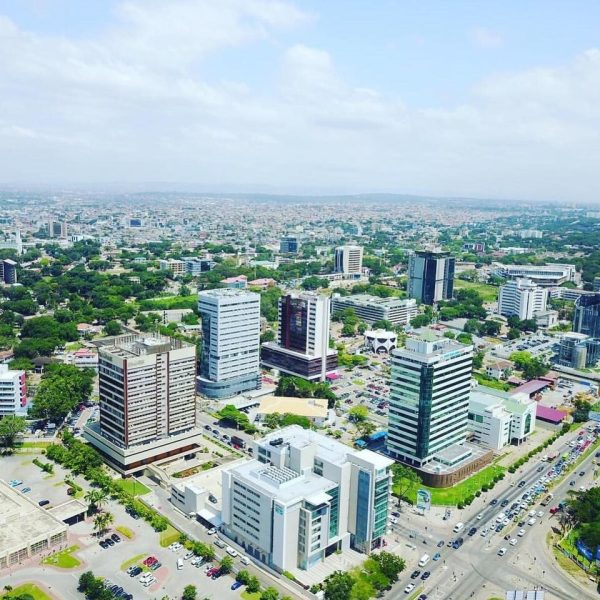
The capital of Ghana and its journey to becoming Ghana’s preeminent urban center is deeply intertwined with the country’s own narrative. If one asked What is the largest city in Ghana?, the answer is Accra. Over time, it has grown in significance due to its strategic coastal location, attracting traders and settlers. The arrival of European powers, particularly the British, further cemented its importance. The British established a significant presence, building forts and administrative centers, which laid the groundwork for its development into a major administrative and commercial hub.
Three characteristics that make Accra the biggest city in Ghana
Today, Accra is a pulsating city of over two million inhabitants within its metropolitan boundaries, and significantly more when considering the wider urban agglomeration. This impressive population makes it by far the largest city in Ghana, dwarfing other significant urban centers like Kumasi, Sekondi-Takoradi, and Tamale. This demographic dominance translates into a city that is a melting pot of cultures, ethnicities, and experiences, reflecting the diversity of Ghana itself. People from all corners of the country, and indeed the continent, are drawn to Accra in search of opportunities, education, and a better life, contributing to its vibrant and ever-evolving character.
Geographically,
Accra sprawls across the Atlantic coast, a vibrant tapestry of modern skyscrapers interspersed with colonial-era architecture and the bustling, colorful markets that are the lifeblood of many Ghanaian communities. The city’s expansion has been rapid, driven by economic growth and a continuous influx of people. While this expansion presents challenges in terms of infrastructure and urban planning, it also signifies a city on the move, actively shaping its destiny. From the affluent enclaves of Cantonments and Airport Residential Area, with their manicured lawns and modern homes, to the densely populated and lively neighborhoods like Jamestown and Nima, Accra presents a stark yet fascinating contrast, a microcosm of Ghana’s socio-economic landscape.
The economic engine of Ghana roars loudest in Accra.
The city is the undisputed financial capital, housing major banks, multinational corporations, and the Ghana Stock Exchange. Trade and commerce are central to its identity, with significant port activities and a thriving informal sector that sustains a large portion of the population. The presence of international organizations and diplomatic missions further underscores Accra’s global connectivity and its role as a gateway to West Africa. The Kotoka International Airport, Ghana’s primary international gateway, serves as a vital link, facilitating trade, tourism, and investment.
Beyond its economic might, it is the cultural heart of Ghana, a place where traditions are cherished and modern influences are embraced. The city boasts a rich array of historical landmarks that tell the story of Ghana’s journey towards independence. Independence Square, with its imposing black star monument, is a poignant reminder of the nation’s struggle for freedom. Osu Castle, formerly Government House, though now largely a presidential residence, stands as a symbol of the colonial past and the transition to self-governance.

Music, in its many forms, pulses through the city.
Highlife, Afrobeat, and gospel music are popular genres, with numerous venues hosting live performances. The arts are also flourishing, with galleries showcasing the works of talented Ghanaian artists, and theaters providing platforms for drama and dance. The street art scene is particularly noteworthy, with vibrant murals adorning walls across, expressing social commentary and celebrating Ghanaian identity.
The culinary landscape is another testament to its cultural dynamism.
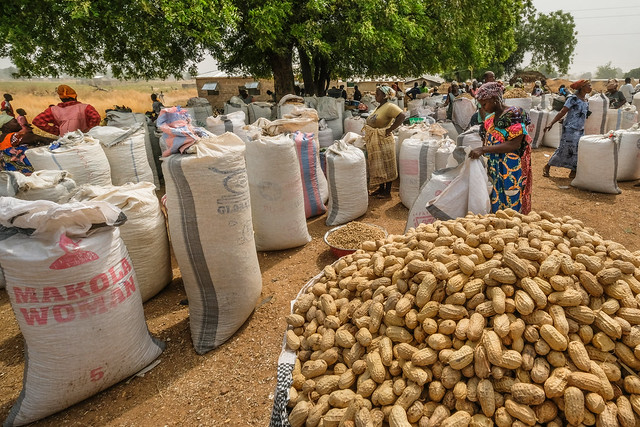
The metropolis offers a delightful array of traditional Ghanaian dishes, from the staple fufu and banku to the flavorful jollof rice and waakye. Street food vendors offer delicious and affordable options, while upscale restaurants provide gourmet dining experiences, often incorporating international flavors alongside local specialties. The bustling markets, like Makola Market, are not just places for commerce but also sensory experiences, overflowing with fresh produce, spices, and the sounds and smells of daily life.
Key Takeaways
Accra’s significance extends beyond its status as the biggest settlement. It is a symbol of Ghana’s progress, its commitment to democracy and development, and its growing influence on the African continent. The hub for regional diplomacy, hosting numerous international conferences and events. It is also a center for education, with prestigious universities and research institutions attracting students from across Africa and beyond.


