


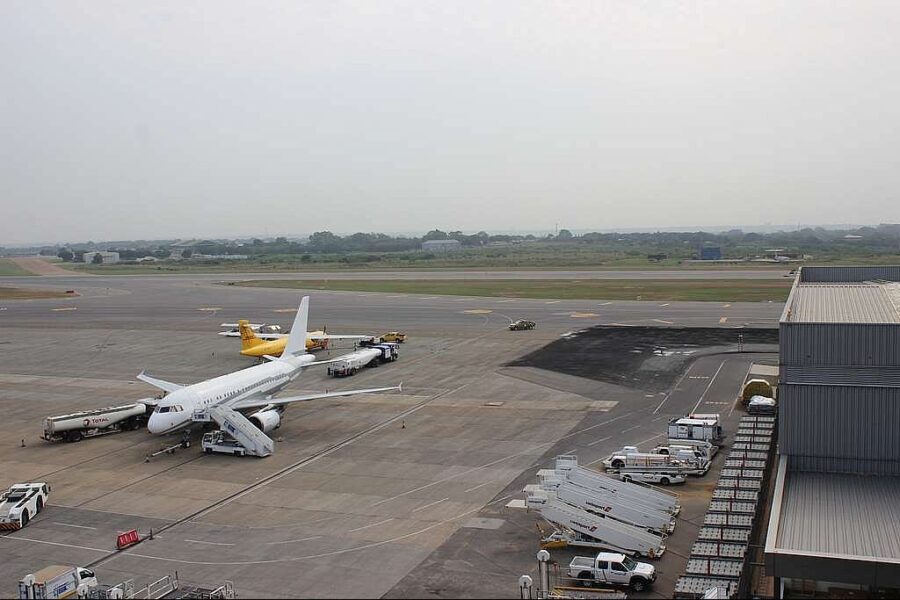
Planning your trip to Ghana requires more than just booking flights and securing your visa; it requires a thorough understanding of local customs regulations. To ensure a seamless entry process at Kotoka International Airport or any of Ghana’s land borders, you must familiarize yourself with the national import policies. The Customs Division of the Ghana Revenue Authority (GRA) strictly enforces these rules to protect public health, safety, and the national economy.
Understanding Prohibited vs. Restricted Goods
Ghanaian authorities categorize items into two groups: prohibited goods and restricted goods.
- Prohibited goods are strictly forbidden from entering the country under any circumstances. You cannot obtain a permit for these items.
- Restricted goods require specific authorization, permits, or licenses from relevant government agencies before you can bring them across the border.
Prohibited Items: What You Must Leave Behind
To avoid confiscation, fines, or potential legal action, ensure your luggage contains none of the following:
- Narcotics: Ghana maintains strict laws against the possession and importation of illegal drugs and psychotropic substances.
- Counterfeit Goods: Customs officers seize pirated materials, counterfeit currency, and forged documents.
- Pornographic Materials: The importation of any obscene, indecent, or immoral articles constitutes a criminal offense.
- Hazardous Waste: The government forbids the entry of toxic or hazardous waste products.
- Specific Food Items: Authorities prohibit the entry of certain contaminated or substandard food products. Always verify the current status of specific food imports on the official GRA website before packing.
- Weapons and Ammunition: Unless you possess an official import permit from the Ministry of the Interior, you cannot bring firearms, ammunition, or explosives into the country.
Restricted Items: When You Need Prior Authorization
If you intend to bring specific items for professional or personal use, you must secure the necessary documentation beforehand:
- Medication: Bring only reasonable quantities for personal use. Keep all prescription medications in their original packaging, accompanied by a valid doctor’s prescription.
- Plants and Animals: The Ministry of Food and Agriculture regulates the entry of live animals, plants, and seeds to prevent the introduction of pests and diseases. You must obtain a phytosanitary or veterinary certificate prior to travel.
- Radio Communication Equipment: You require a permit from the National Communications Authority (NCA) to import satellite phones, high-frequency radios, or certain drone models.
- Gold and Precious Metals: Travelers must declare any gold, diamonds, or precious minerals. You must hold the appropriate export/import permits from the Precious Minerals Marketing Company (PMMC).
Tips for a Smooth Customs Clearance
Declare Everything: When in doubt, declare the item. Honesty prevents significant complications during the inspection process. If you remain unsure about an item, consult the Ghana Revenue Authority website or contact the nearest Ghanaian embassy.
Carry Necessary Paperwork: Keep all permits, licenses, and receipts in your carry-on luggage for easy access when you reach customs.
Stay Updated: Regulations occasionally change based on security threats or trade agreements. Check for recent government updates at least two weeks before your departure.
Summary
By respecting these regulations, you contribute to a safe and efficient travel experience for yourself and your fellow passengers. We look forward to welcoming you to Ghana.


