


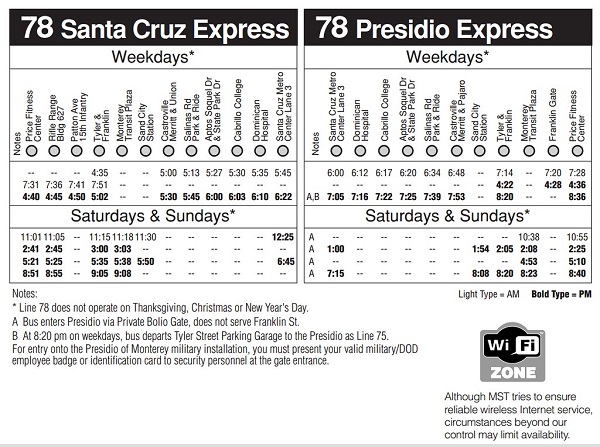
A bus timetable serves as the essential blueprint for public transit. It provides passengers with a structured schedule of departure and arrival times for specific bus routes. By consulting this document, travelers can plan their journeys with precision, ensuring they reach their destinations without unnecessary delays.
What Information Does a Bus Timetable Include?
Most bus timetables present data in a clear, linear format. To use one effectively, you must identify several key components:
- Route Number or Name: This identifies the specific path the bus follows.
- Stop Names: The timetable lists the specific locations where the bus pauses to embark or disembark passengers.
- Time Columns: These rows or columns display the precise time the vehicle arrives at each designated stop.
- Operating Days: Timetables often distinguish between weekday, Saturday, and Sunday services, as transit frequency frequently changes based on the day.
- Directional Indicators: Most schedules specify whether the bus travels “inbound” toward a city center or “outbound” toward the suburbs.
Why You Should Use a Bus Timetable
Relying on a formal bus timetable significantly improves your daily commute. First, it eliminates the uncertainty associated with waiting at a stop. When you know exactly when your bus departs, you can manage your time more effectively. Second, it helps you coordinate transfers between different transit lines. If you must switch buses to complete a trip, the timetable confirms whether your connection window provides enough time for a seamless transition.
Modern Access to Scheduling
In the past, transit authorities printed physical booklets for distribution at stations. Today, most agencies provide digital versions on their official websites or through dedicated mobile applications. These digital tools often offer real-time updates, allowing you to account for traffic delays or unforeseen road conditions.
In Sum
Whether you prefer a traditional printed guide or a dynamic digital interface, the bus timetable remains the most reliable tool for navigating urban and regional transit networks. By mastering this resource, you gain independence, reliability, and confidence in your daily travel plans. Check your local transit authority’s website today to find the most current schedule for your route.


