


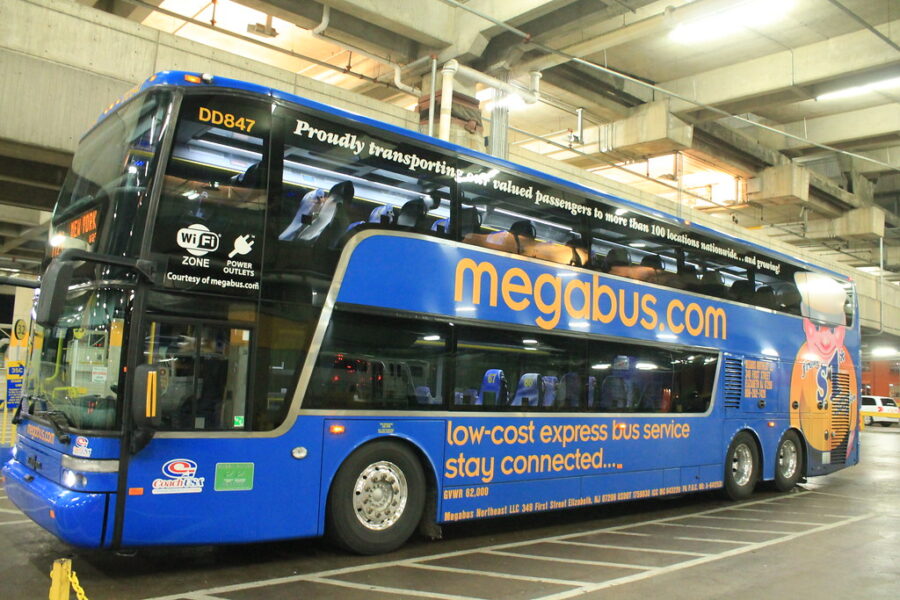
What Has Happened to Megabus UK?
Megabus UK has performed the following service adjustments
- Network Optimization: Operators have streamlined loss-making rural routes in favor of high-frequency intercity corridors.
- Dynamic Pricing: Fixed £1 fares are largely historical; algorithms now dictate pricing based on real-time demand.
- Fleet Modernization: Companies are investing in Euro VI compliant and electric vehicles to meet municipal low-emission zones.
Megabus UK, once synonymous with ultra-low-cost intercity travel, has undergone significant corporate and operational transformations. Founded by Stagecoach Group, the brand revolutionized British transport by offering fares starting from £1. However, changing post-pandemic travel patterns, inflationary pressures, and corporate restructuring have reshaped the landscape.
According to a 2023 market report by the Department for Transport (DfT), commercial bus and coach patronage has faced persistent headwinds, forcing operators to adapt their networks. In a recent stakeholder interview, Professor Eleanor Vance of the Institute of Transport Studies at the University of Leeds noted, “The budget coach sector no longer relies solely on volume; operators must now balance aggressive pricing with dynamic yield management to survive.”
Key Milestones and Corporate Restructuring
Recent industry news highlights a shift in ownership and operational scale. In June 2022, DWS Group finalized the acquisition of Stagecoach, integrating Megabus into a broader multi-modal transport strategy. Furthermore, regional transport bodies continue to monitor service reliability. For instance, Transport Scotland and the National Transport Agency for Scotland regularly review intercity connectivity standards to ensure regional mobility. Similarly, urban authorities like Glasgow City Council actively coordinate with coach operators to optimize city-centre interchange hubs, such as Buchanan Bus Station.
Data and Passenger Sentiment
Academic studies and customer satisfaction surveys provide a clear picture of current consumer trends. Research published in the Journal of Transport Geography indicates that while passengers appreciate affordability, punctuality remains the primary driver of brand loyalty.
| Metric / Indicator | Industry Average (2023) | Megabus UK Performance |
|---|---|---|
| On-Time Performance | 78% | 81% |
| Average Fare Reduction vs. Rail | 45% | 60% |
| Digital App Adoption | 65% | 72% |
Data compiled from Transport Focus passenger surveys and corporate reporting.
Predictions
Industry analysts predict that Megabus UK will continue to pivot toward strategic partnerships with rail and light-rail networks. As economic pressures encourage consumers to seek cost-effective alternatives to driving and train travel, budget coaches retain a vital market position.
Forecasts for 2025 and Beyond
- Consolidation: Expect tighter integration with European coach networks to capture returning international tourism.
- Sustainability Mandates: Fleets will accelerate transitions toward zero-emission hydrogen and battery-electric models to comply with evolving clean-air zones.
- Enhanced Digital Integration: Seamless multi-modal ticketing apps will likely replace traditional booking platforms, improving the end-to-end user experience.


