


Many international visitors and researchers frequently ask about the “states and capitals” of Ghana. To clarify, Ghana does not utilize a state-based system like the United States or Nigeria. Instead, the Parliament of Ghana divides the nation into 16 administrative regions, each anchored by a specific regional capital.
Recent governance reforms highlight the dynamic nature of this administrative map. According to a report by the Ghana Statistical Service, the creation of six new regions in 2019 decentralized development and brought local government closer to citizens.
Key Administrative Facts
- Total Regions: 16
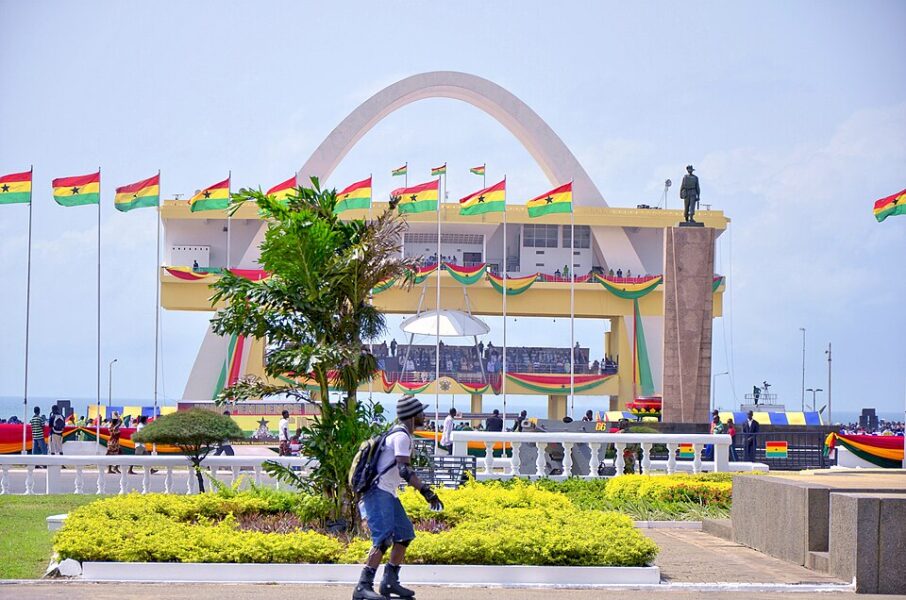
- National Capital: Accra (Located in the Greater Accra Region)
- Governing Body: Ministry of Local Government, Decentralisation and Rural Development
Ghana’s Regions and Their Capitals
The table below outlines Ghana’s 16 regions alongside their respective administrative capitals.
| Region | Administrative Capital |
|---|---|
| Greater Accra | Accra |
| Ashanti | Kumasi |
| Central | Cape Coast |
| Eastern | Koforidua |
| Western | Sekondi-Takoradi |
| Volta | Ho |
| Northern | Tamale |
| Upper East | Bolgatanga |
| Upper West | Wa |
| Bono | Sunyani |
| Bono East | Techiman |
| Ahafo | Goaso |
| Oti | Dambai |
| Savannah | Damongo |
| North East | Nalerigu |
| Western North | Sefwi Wiawso |
Economic Forecasts and Regional Growth
Economic projections from the Bank of Ghana indicate that decentralized regional capitals will drive the nation’s next phase of GDP growth. Secondary cities like Kumasi, Tamale, and Sekondi-Takoradi currently experience rapid urbanization. Analysts forecast that targeted infrastructure investments in these regional hubs will reduce migration pressures on Accra while boosting regional commerce.
Essential Insights for Travelers and Investors
- Decentralization: Regional capitals handle localized permitting, land acquisition, and business registrations.
- Cultural Diversity: Each region features distinct linguistic groups, traditional authorities, and economic strengths (ranging from Ashanti’s cocoa production to Western Region’s oil and gas sectors).


