


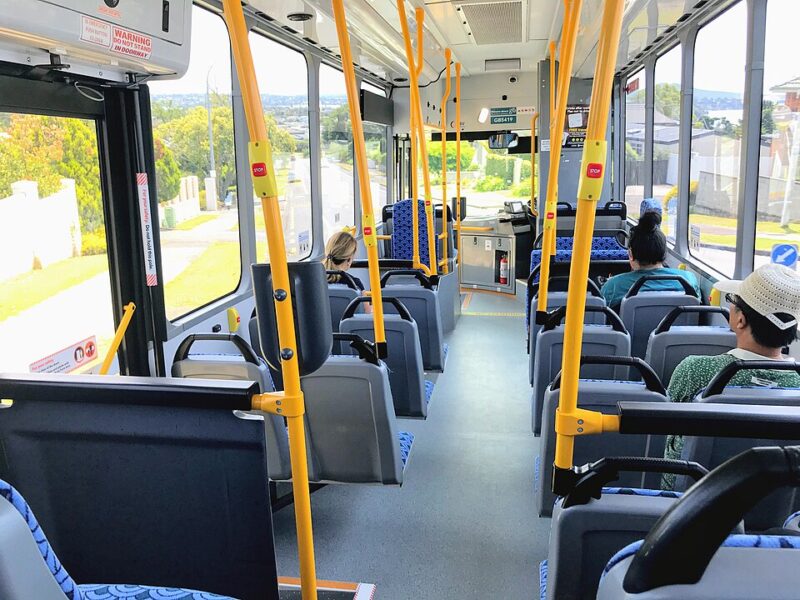
Public transportation provides a convenient and sustainable way to navigate urban environments. Whether you commute via bus, train, or subway, prioritizing your personal safety ensures a more comfortable and secure journey. By remaining alert and following established best practices, you can mitigate risks and enjoy a stress-free transit experience.
Follow these professional safety guidelines to protect yourself and your belongings while using public transit.
1. Maintain Situational Awareness
Your greatest safety tool is your attention. Avoid distractions like scrolling through your phone or wearing noise-canceling headphones while waiting at stations or bus stops. Scan your surroundings periodically, identify the people around you, and observe your environment. If you feel uncomfortable in your current location, move toward a more populated area or closer to the operator’s station.
2. Secure Your Personal Belongings
Pickpockets often target distracted commuters in high-traffic transit hubs. Keep your bags, purses, and backpacks closed and positioned in front of your body. Never leave your belongings unattended, even for a moment. If you carry a wallet or smartphone, keep these items in secure, inner pockets rather than loose outer ones.
3. Plan Your Route in Advance
A well-planned journey reduces the time you spend standing on platforms or consulting maps in public. Familiarize yourself with your route, including transfer points and estimated arrival times, before you leave your home. Use official transit apps to monitor delays or service changes. Knowing your destination and the path to get there allows you to navigate with confidence and reduces your window of vulnerability.
4. Choose Your Location Wisely
When waiting for a train or subway, stand in well-lit areas where security cameras are visible. If possible, wait near other passengers rather than in isolated sections of the platform. During late-night travel, board the carriage nearest to the conductor or the operator. This proximity provides an extra layer of security and ensures you remain in a supervised environment throughout your trip.
5. Trust Your Intuition
Your instincts are powerful indicators of potential risk. If a person or a situation makes you feel uneasy, do not hesitate to change your seat or exit the vehicle at the next stop. Do not feel obligated to interact with strangers who make you uncomfortable. If you witness suspicious activity, report it immediately to transit authorities, security personnel, or emergency services.
6. Keep Emergency Contacts Accessible
Ensure your mobile device remains charged before you commute. Keep emergency numbers saved in your contacts and consider sharing your live location with a trusted friend or family member if you are traveling late at night. Many public transit systems now offer text-based reporting services for emergencies; save these numbers in your phone for quick access.
Final Thoughts
Public transportation is a vital service that functions best when passengers remain vigilant. By practicing these safety habits, you play an active role in maintaining a secure environment for yourself and your fellow commuters. Stay informed, stay aware, and travel smart.
Do you need help navigating your local transit system safely? Check your city’s official transportation website for specific security resources, emergency contact protocols, and real-time service updates.


