


Artificial Intelligence (AI) serves as the engine driving the future of global transit. From autonomous vehicle navigation to predictive maintenance, machine learning algorithms optimize efficiency, enhance traveler safety, and reduce environmental impact. As cities evolve into “smart” hubs, AI-driven technologies bridge the gap between legacy infrastructure and modern convenience.
How AI reshapes the transportation landscape.
1. Autonomous Vehicles and Self-Driving Systems
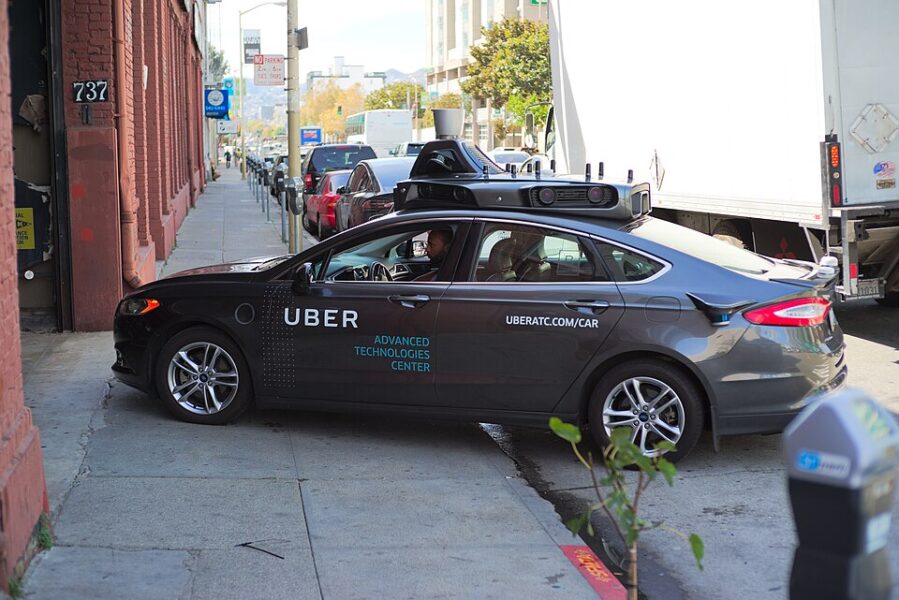
Autonomous vehicles serve as the most apparent demonstration of AI’s role in transportation. These vehicles harness sophisticated neural networks to interpret data from LiDAR, radar, and high-definition cameras in real time. Through the analysis of road signs, the prediction of pedestrian movements, and the detection of obstacles, AI systems facilitate safe navigation of cars without human assistance.
This advancement is expected to lower the incidence of traffic accidents attributed to human error while improving route planning efficiency.
2. Predictive Maintenance for Fleet Management
Transport operators rely on AI to preempt mechanical failure. Sensors installed on trains, buses, and aircraft collect performance data, which predictive maintenance software analyzes to detect anomalies. By identifying worn parts or engine inefficiencies before they cause a breakdown, companies minimize downtime and reduce operational costs. This proactive approach ensures that vehicles remain in peak condition, thereby increasing the longevity of transit assets.
3. Intelligent Traffic Management Systems
Urban congestion creates massive economic and environmental costs. AI-powered traffic management systems monitor real-time traffic flow through street-level sensors and GPS data. When congestion builds, these systems automatically adjust traffic signal timings to optimize traffic light sequences. By creating a smoother flow of vehicles, cities significantly lower carbon emissions and decrease average commute times for citizens.
4. Logistics and Supply Chain Optimization
Behind the scenes, Artificial Intelligence manages the complex web of global freight. AI algorithms calculate the most efficient shipping routes, taking into account weather conditions, fuel consumption, and delivery windows. Furthermore, warehouse automation—driven by AI-powered robotics—speeds up the sorting and loading processes. This integration ensures that goods reach their destinations faster while minimizing the carbon footprint of the logistics sector.
5. Enhanced Public Transportation Experiences
AI elevates the public transit experience by providing commuters with precise real-time data. Modern transit apps utilize machine learning to forecast arrival times, predict carriage crowding, and suggest optimal routes based on live disruptions. This transparency builds trust in public services and encourages a shift toward shared, sustainable transportation modes.
The Future of AI-Driven Transit
The integration of Artificial Intelligence into transportation goes beyond convenience; it is a fundamental shift toward safer, greener, and more efficient infrastructure. As developers continue to refine these technologies, AI will play a critical role in solving the most pressing challenges of urban mobility.


