


Intelligent Transportation Systems (ITS) represent the convergence of advanced information technology, telecommunications, and traditional civil engineering. As cities evolve into “smart” environments, the demand for professionals capable of managing complex, data-driven transit networks grows exponentially. If you possess a background in engineering, data science, or urban planning, the ITS sector offers a robust landscape of high-impact career opportunities.
What is Intelligent Transportation Systems?
ITS applies innovative technology to improve the efficiency, safety, and sustainability of transportation networks. Professionals in this field develop systems that manage traffic flow, enhance public transit reliability, and facilitate communication between vehicles and infrastructure (V2I).
Key Job Roles within the ITS Industry
The industry sustains a wide variety of specialized roles. Below are some of the most prominent career paths currently shaping the future of global mobility.
1. ITS Systems Engineer
Systems engineers serve as the architects of modern transportation networks. They design, test, and maintain the hardware and software integrations that power traffic signal controllers, electronic toll collection, and automated incident detection sensors. These professionals ensure that disparate technological components function as a cohesive, reliable system.
2. Traffic Management Center (TMC) Operator
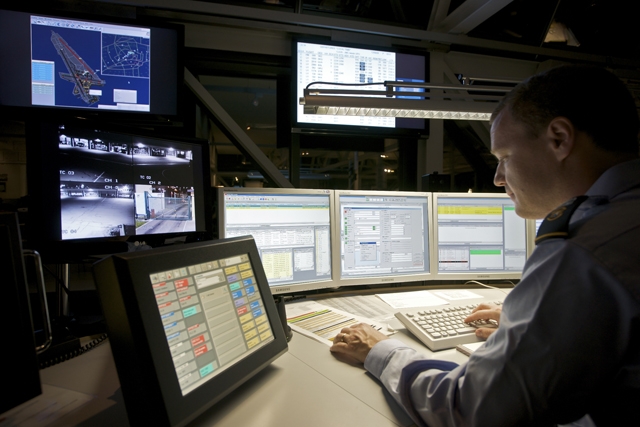
TMC operators stand at the front lines of urban mobility. They monitor real-time data feeds from cameras, loop detectors, and GPS arrays to manage traffic congestion. When incidents occur, these operators deploy rapid response strategies, adjust signal timings remotely, and coordinate with emergency services to restore order to the grid.
3. Transportation Data Analyst
Data drives every modern ITS initiative. Data analysts interpret massive datasets generated by connected vehicles and smart infrastructure. By identifying patterns in commute times, accident hotspots, and transit demand, they provide the actionable intelligence urban planners need to optimize infrastructure investments and reduce carbon footprints.
4. Connected and Autonomous Vehicle (CAV) Specialist
The rise of autonomous vehicles requires a new generation of specialists. These experts focus on the “V2X” ecosystem—Vehicle-to-Everything communication. They develop the protocols that allow cars to “talk” to traffic lights and road sensors, ensuring safe navigation and reducing human error in complex urban environments.
5. ITS Project Manager
Successful deployment of smart city initiatives requires rigorous project management. These professionals oversee the lifecycle of large-scale infrastructure upgrades. They manage budgets, coordinate between government stakeholders and private vendors, and ensure that complex technological installations meet strict safety and regulatory standards.
Why Pursue a Career in ITS?
The transportation sector currently undergoes its most significant transformation since the invention of the automobile. Professionals in this field solve critical societal challenges, such as reducing traffic-related fatalities and mitigating the environmental impact of urban sprawl. By joining the ITS workforce, you contribute directly to the infrastructure that connects people, economies, and communities.
Chart Your Path Forward
Whether you specialize in cybersecurity, software development, or traffic engineering, the Intelligent Transportation Systems industry requires diverse expertise to move the world forward. Explore current openings and begin your journey toward building the future of mobility.


