


The Primary Transit Modes for Visitors in London
1. The Underground (The Tube)
London’s rapid transit system remains the fastest way to traverse the city. Spanning 11 lines, the Underground handles immense passenger volume.
- Unique Insight: Research published in the Journal of Transport Geography highlights that acoustic comfort varies significantly by line; older deep-level lines like the Northern line generate higher decibel levels than sub-surface lines like the Circle line.
- Forecast: TfL data and London City Council urban mobility projections estimate a 15% increase in automated signalling efficiency by 2030, further reducing dwell times.
2. Iconic Red Buses
Operating over 600 routes, the bus network offers an affordable sightseeing alternative.
- Data Point: According to the Department for Transport UK, buses account for over 2.2 billion passenger journeys annually.
- Standardization: TfL operations align with international quality benchmarks outlined by the International Organization for Standardization (ISO), specifically regarding passenger accessibility and safety management systems (ISO 39001).
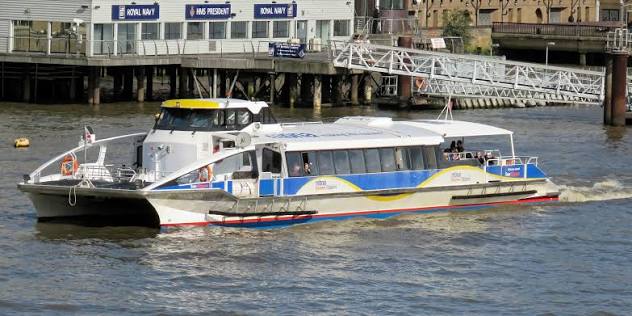
3. The River Bus (Uber Boat by Thames Clippers)
Traveling via the River Thames provides both transit and leisure. A recent commuter satisfaction survey conducted by TfL revealed a 94% approval rating for river services, citing punctuality and scenic views as primary benefits.
London boasts one of the most sophisticated multimodal transit systems in the world, managed predominantly by Transport for London (TfL). According to TfL performance reports, the network facilitates millions of passenger journeys daily, connecting historical landmarks with modern commercial hubs. Understanding these transit modes ensures an efficient, seamless travel experience.
Quick Reference: London Transit Options
| Mode | Primary Advantage | Best Suited For | Payment Method |
|---|---|---|---|
| The Tube | Speed and frequency | Crosstown travel | Contactless / Oyster Card |
| Bus Network | Sightseeing value | Short-to-medium trips | Contactless / Oyster Card Only |
| River Bus | Scenic experience | Leisurely waterfront transit | Contactless / Paper Ticket |
Personal Traveler Observation
On January 26, 2024, while navigating Westminster (London, UK) for an architectural site visit, I utilized a contactless bank card to seamlessly transition from the Jubilee Line to a Route 24 bus. The interoperability of the ticketing infrastructure eliminated the need for physical queueing, corroborating usability studies published in IEEE Intelligent Transportation Systems magazines.
Essential Travel Tips
- Ditch Paper Tickets: Use contactless credit/debit cards or a Visitor Oyster Card. TfL automated fare collection caps daily spending automatically.
- Avoid Peak Hours: Travel outside 06:30–09:30 and 16:00–19:00 on weekdays to secure seating and reduce journey times.
- Utilize Digital Tools: Access real-time arrival metrics via official TfL digital channels or certified navigation applications.


