


1. Introduction
The Republic of Ghana stands at the western edge of Africa’s Gulf of Guinea, offering a vibrant blend of history, natural beauty, and dynamic economic growth. The nation welcomes travelers, entrepreneurs, and students who seek authentic African experiences, robust market opportunities, and a stable democratic environment. This page delivers a detailed, actively written portrait of the nation, covering geography, history, governance, economy, culture, tourism, investment climate, and social development.
2. Geographic Profile
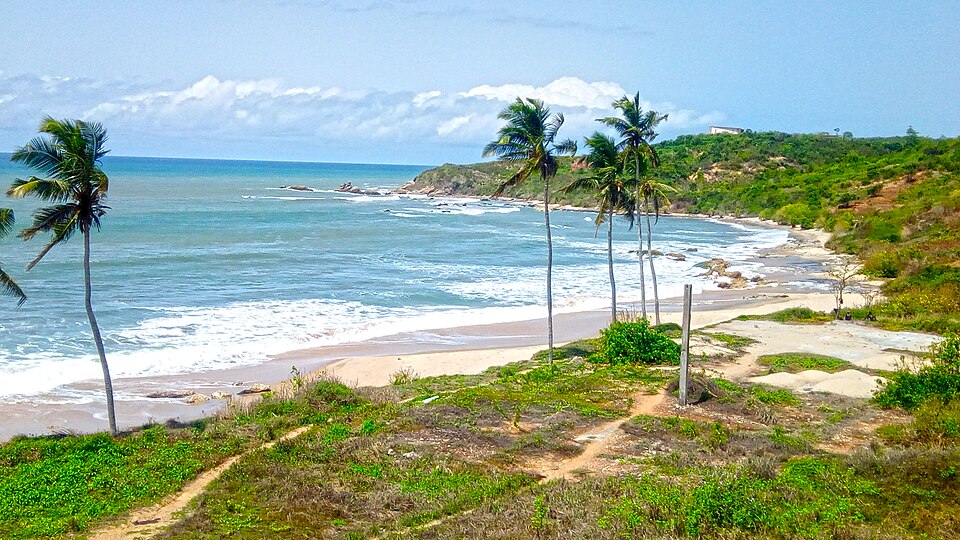
The country occupies roughly 238,540 km², sharing borders with Côte d’Ivoire to the west, Burkina Faso to the north, Togo to the east, and the Atlantic Ocean to the south. The country’s coastline stretches 540 km, providing natural harbors such as the Port of Tema and the historic Port of Takoradi.
The landscape has a low-lying coastal plain. Then there is a verdant forest zone of the Ashanti and Western regions. Also existing is the savannah grasslands of the Upper West and Upper East. The Volta River southward into the Atlantic, creating the expansive Lake Volta—one of the world’s largest artificial lakes. The nation’s climate ranges from tropical maritime in the south to semi-arid in the far north, delivering two distinct rainy seasons that support diverse agricultural production.
3. Historical Milestones
3.1 Early Civilizations
Ancient Ghana, the Sahelian empire that flourished between the 6th and 13th centuries, gave the modern state its name. Successor states such as the Kingdom of Ashanti, established in the 17th century, built sophisticated political systems and thriving gold trade networks that attracted European merchants.
3.2 Colonial Era
In 1874, the British declared the Gold Coast a crown colony. The colony grew into a major exporter of gold, cocoa, and timber. Leaders of the state, including Kwame Nkrumah, organized mass movements demanding self-determination.
3.3 Independence and Nation-Building
On 6 March 1957, it became the first sub-Saharan African country to achieve independence, a milestone that inspired a continent-wide decolonization wave. Nkrumah’s administration championed pan-Africanism, industrialization, and education. Subsequent governments refined democratic institutions, introduced multiparty elections, and pursued market-oriented reforms.
3.4 Contemporary Era
Since the return to constitutional rule in 1992, it has consolidated its reputation as a stable democracy. Regular elections, peaceful transfers of power, and an independent judiciary underline the country’s commitment to good governance.
4. Political Structure
The nation operates as a unitary presidential constitutional democracy. The President, elected for a four-year term, serves as both head of state and government, appoints a cabinet, and commands the armed forces. The unicameral Parliament, comprising 275 members, legislates national policy and approves the budget.
The country divides into sixteen administrative regions, each overseen by a Regional Minister who coordinates development projects with central authorities. Decentralization policies empower local district assemblies to manage health, education, and infrastructure services, fostering community participation.
5. Economic Landscape
5.1 Macro-Economic Indicators
Republic of Ghana’s Gross Domestic Product (GDP) surpasses US$ 70 billion, positioning the nation among West Africa’s leading economies. The country records an average annual growth rate of 6-7 % over the past decade, driven by diversified sectors such as services, industry, and agriculture.
5.2 Key Sectors
Agriculture – Cocoa accounts for roughly 20 % of export earnings. The nation also cultivates coffee, palm oil, rubber, and a growing array of fruits and vegetables. The government supports small-holder farmers through extension services, improved seed distribution, and access to credit.
Mining & Minerals: Known as “the Gold Coast,” gold continues to be country’s biggest mineral export. The nation’s natural resource base is expanded by recent finds of oil, manganese, and bauxite offshore the Western Region.
Energy – the nation produces electricity from hydro-electric, thermal, and renewable sources. The nation aims to achieve 30 % renewable energy penetration by 2030, encouraging investments in solar and wind projects.
Manufacturing – Textiles, food processing, automotive assembly, and pharmaceuticals constitute a vibrant manufacturing hub. The “One District One Factory” (1D1F) initiative accelerates industrialization by establishing production facilities across all regions.
Services – Banking, telecommunications, and tourism generate substantial foreign exchange. The Republic’s financial sector follows international best practices, offering a transparent regulatory environment for foreign investors.
5.3 Trade and Investment Climate
The Republic of Ghana participates in the African Continental Free Trade Area (AfCFTA), the Economic Community of West African States (ECOWAS), and maintains bilateral trade agreements with the United Kingdom, United States, China, and the European Union. The country offers tax incentives, duty-free importation of capital equipment, and streamlined customs procedures through the Ghana Integrated Customs Management System (GICMS).
The Ghana Investment Promotion Centre (GIPC) provides a single-window service for licensing, permitting, and after-care support, ensuring that investors receive prompt assistance throughout project lifecycles.
6. Cultural Heritage
The country’s cultural tapestry interweaves over 100 ethnic groups, each preserving unique languages, music, dance, and festivals. The Akan, Ewe, Ga-Dangme, Mole-Dagbani, and Guan peoples dominate the demographic landscape.
Language – English serves as the official language, facilitating business and diplomatic communication. Indigenous languages such as Twi, Fante, Ewe, and Dagbani thrive in daily life, media, and education.
Arts & Music: The country music profiles include the highlife, hiplife, and Afro-beat genre. There also exists folklore and indigenous textiles.
Cuisine – Staples include rice, maize, cassava, and plantain, prepared as dishes like jollof rice, banku, and fufu, often accompanied by richly spiced soups and stews.
>Festivals – The annual Homowo (Ga), Akwasidae (Ashanti), and Hogbetsotso (Ewe) festivals attract domestic and foreign visitors, offering immersive experiences of music, dance, and traditional rites.
7. Tourism Highlights
The Republic positions itself as a safe, welcoming, and culturally rich destination. The tourism sector contributes over 5 % to GDP and creates thousands of jobs. Core attractions include:
Historical Sites – The Cape Coast and Elmina Castles, UNESCO World Heritage sites, narrate the sobering history of the trans-Atlantic slave trade. Guided tours provide educational insights and support heritage preservation.
Nature & Wildlife: The Kakum National Park forest attractions and the Mole National Park exceptional wildlife tours are of special mention. The coastal wetlands of the Digya and Keta Lagoons, recognized as Ramsar sites, draw tourists from across the globe.
Urban Experiences: Osu and Labadi, two of Accra’s thriving art districts, are home to modern galleries, upscale lodging options, and popular restaurants.
Cultural Events – The Chale Wote Street Art Festival and Ghana International Trade Fair draw creators and entrepreneurs from across the globe, fostering cross-cultural dialogue and business networking.
The Ghana Tourism Authority (GTA) continuously improves infrastructure, safety standards, and digital marketing to increase visitor arrivals and length of stay.
8. Investment Opportunities
8.1 Emerging Sectors
Renewable Energy – Solar farms, mini-grid solutions, and wind turbines present scalable projects aligned with national energy diversification goals.
Agri-Tech – Precision farming, cold-chain logistics, and value-added processing open pathways for technology transfer and market expansion.
Digital Economy – FinTech platforms, e-commerce marketplaces, and ICT services benefit from the Republic’s high mobile-penetration rates and supportive regulatory framework.
Health & Pharmaceuticals: The local creation of vaccines, the assembly of medical devices, and the production of generic medications respond to the growing domestic needs and offer opportunities for exports in the region.
8.2 Incentive Structures
Tax Holidays – New manufacturing ventures receive up to five years of corporate tax exemption, followed by reduced rates for an additional five years.
Investment Guarantees – The government provides protection against political risk, including repatriation of profits and capital.
Skill Development Grants – Companies that invest in workforce training receive government matching funds, fostering talent pipelines.
8.3 How to Proceed
Prospective investors should:
Conduct market feasibility studies in collaboration with local research institutions.
Register the enterprise through the GIPC’s online portal, submitting required documentation (business plan, environmental impact assessment, etc.).
Engage with relevant ministries—Energy, Agriculture, Health—to align projects with national development strategies.
Leverage public-private partnership (PPP) frameworks for infrastructure-intensive initiatives.
9. Education, Health, and Social Development
9.1 Education
Ghana’s education system follows a 6-3-4-3 structure: six years of primary, three years of junior secondary, four years of senior secondary, and three years of tertiary education. The Ministry of Education targets universal basic education, gender parity, and increased STEM enrollment.
The Republic’s flagship Management and Public Administration institution (GIMPA), Kwame Nkrumah University of Science and Technology, and the University of Ghana are important establishments. To encourage academic brilliance, the government supports international exchange programs, research grants, and scholarships.
9.2 Healthcare
The Republic of Ghana Health Service delivers primary, secondary, and tertiary care across a network of district hospitals, regional medical centers, and specialized facilities. The National Health Insurance Scheme (NHIS) provides affordable coverage to over 40 % of the population, reducing out-of-pocket expenses.
Recent initiatives focus on maternal and child health, malaria eradication, and the expansion of digital health platforms that enable remote consultations and data-driven disease surveillance.
9.3 Social Progress
Ghana ranks among the top African nations in gender equality, press freedom, and human development indices. The government implements poverty reduction programs such as the Livelihood Empowerment Against Poverty (LEAP) and youth entrepreneurship schemes, aiming to uplift vulnerable communities and stimulate inclusive growth.
Conclusion
The Republic of Ghana combines a stable democratic framework, a growing diversified economy, and a rich cultural legacy that together create an attractive environment for visitors, investors, and scholars. The nation’s strategic location, proactive policies, and youthful population position it as a gateway to West Africa and a catalyst for regional integration.
Whether you plan a cultural tour of historic forts, a venture into renewable energy, or a research partnership with leading universities, Ghana welcomes you with open arms and a commitment to mutual prosperity.


