


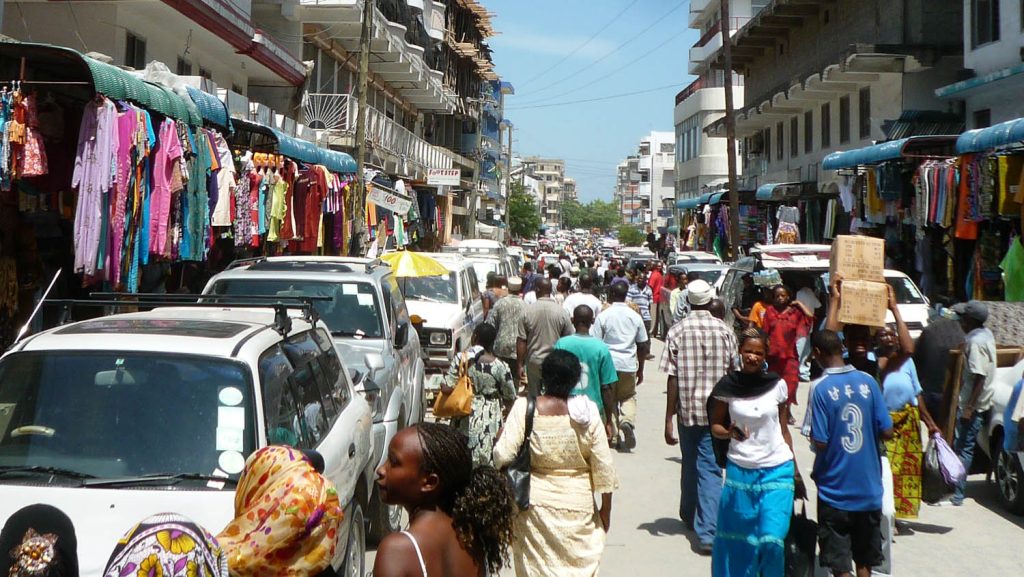
While it’s true that the overwhelming majority of Accra’s population is of African descent, limiting the city’s identity to a singular racial narrative overlooks the subtle yet significant threads of racial diversity that contribute to its unique character.
Ghana, throughout its history, has been a welcoming haven for communities from across the globe, leading to a less obvious, but undeniably present, racial mix. While not boasting the dramatic racial demographics of cities like London or New York, the racial diversity of the capital lies in the presence of smaller but impactful communities that have woven themselves into the fabric of the city.
Beyond the Ghanaian Majority:
Lebanese Diaspora: For generations, Lebanese traders have played a significant role in Accra’s economy. Their presence is evident in the city’s retail landscape, and their cultural influence, particularly in cuisine and fashion, is becoming increasingly noticeable. While often viewed as a distinct ethnic group, their makeup is varied, reflecting the diverse population of Lebanon itself.
Chinese Presence: In recent decades, the influx of Chinese businesses and individuals has been a notable development. Their involvement in construction, infrastructure projects, and various commercial ventures has brought a new dynamic to Accra, albeit one often met with mixed reactions regarding its impact on local employment.
Mixed-Race Ghanaians: Intermarriage between Ghanaians and individuals from other backgrounds has resulted in a growing population of mixed-race Ghanaians. These individuals often navigate complex identities, contributing to a broader and more nuanced understanding of what it means to be Ghanaian.
Expatriate Community: Accra’s growing reputation as a hub for business, tourism, and development has attracted a diverse expatriate community from Europe, North America, and other parts of Africa. This influx of different nationalities and adds another layer to the city’s multicultural landscape.
The Importance of Recognizing Subtleties:
Firstly, it paints a more accurate portrait of the city, moving beyond simplistic narratives and embracing the complexities of its population. Secondly, it encourages dialogue and understanding between different communities, fostering greater social cohesion.
However, it’s important to acknowledge that this diversity is not without its challenges. Issues of social integration, economic disparities, and cultural misunderstandings can arise. Open conversations about these issues are necessary to ensure that all communities feel welcomed and respected in Accra.
Moving Forward:
Accra’s journey towards embracing its racial diversity is an ongoing process. By recognizing and celebrating the contributions of all its communities, the city can solidify its position as a truly cosmopolitan and inclusive hub. While the “Black Star” undeniably represents Ghana’s national identity, understanding the subtle hues and shades within the broader tapestry of Accra’s population allows us to appreciate the city’s richness and complexity in its fullest form.
The future of Accra relies on embracing its multifaceted identity and fostering a society where everyone feels a sense of belonging, regardless of their race.


