


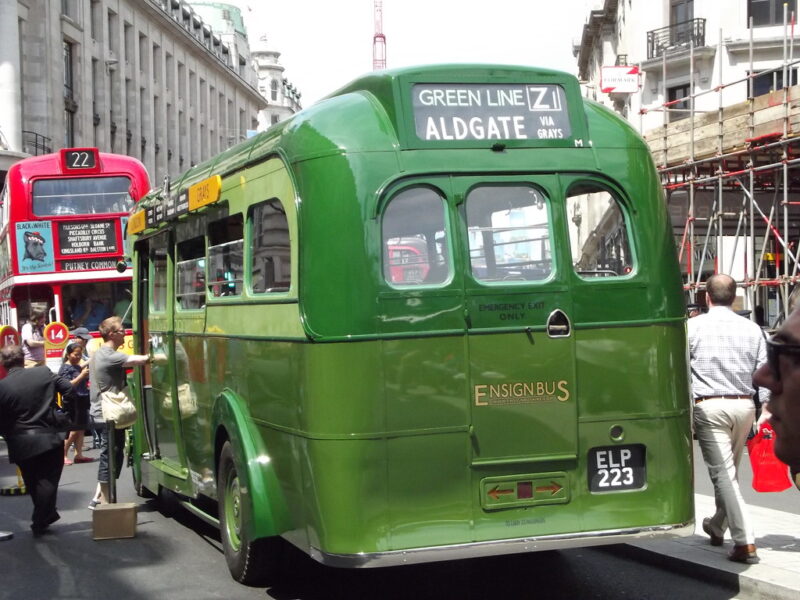
Is green bus free?
No. While some cities offer zero-fare green bus programs, most electric and hybrid bus fleets charge standard municipal transit fares.
Understanding Zero-Fare Transit Initiatives
Zero-fare public transit models have gained substantial momentum in recent years. Cities implement these programs to reduce urban congestion, lower greenhouse gas emissions, and improve equity for low-income populations.
Researchers at the Massachusetts Institute of Technology (MIT) published a comprehensive study in the Transportation Research Record examining fare-free public transit trials. The study indicates that eliminating fares increases ridership significantly, particularly among essential workers and students.
However, “free” services often operate through subsidies, grants, or localized tax structures rather than traditional ticket sales.
Global Insights and Government Data
Government agencies track the operational viability of zero-fare green buses closely. According to a report by the Federal Transit Administration (FTA), numerous transit agencies utilized federal relief funds to experiment with temporary or permanent zero-fare structures.
Despite these funding injections, financial sustainability remains a primary challenge for municipal leaders.
| Transit Agency Model | Funding Source | Fare Status | Primary Benefit |
|---|---|---|---|
| Kansas City ATA | Local Sales Tax & Federal Grants | Completely Free | High Ridership Surge |
| Luxembourg National Network | National Taxation | Completely Free | Major Car Reduction |
| Standard Municipal Green Bus | Passenger Fares & Subsidies | Partially Subsidized | Balanced Operating Budget |
What Recent Industry News Reveals
Recent industry news from the American Public Transportation Association (APTA) highlights a shifting landscape. While cities like Kansas City successfully maintain zero-fare models, other municipalities face budget deficits that force the reinstatement of fares.
Inflation, rising electricity costs for battery-electric fleets, and declining federal grants compel transit authorities to reevaluate the true cost of operating zero-emission vehicles.
Therefore, individuals utilizing public transportation should consult the latest communications issued by their regional transit authority before proceeding to board.
Scientific and Academic Perspectives
Environmental scientists evaluate green buses beyond their tailpipe emissions. A peer-reviewed study in the journal Science of the Total Environment emphasizes that electric and hybrid buses drastically reduce particulate matter in dense urban centers.
Universities often partner with local transit systems to study these impacts. For example, the University of California, Berkeley conducts ongoing air-quality monitoring along free campus shuttle routes.
Their findings suggest that removing financial barriers encourages more individuals to abandon private vehicles, amplifying the environmental benefits of electrification.
Personal Experience in the Field
Riding zero-emission transit networks in various metropolitan areas reveals distinct operational contrasts. During my visits to European cities with universal free transit, boarding the bus feels seamless and efficient because dwell times drop dramatically without fare collection.
Conversely, in systems where green buses charge standard fares, drivers spend extra time managing ticketing equipment, which slightly extends route durations.
This operational observation aligns directly with transit efficiency reviews published in urban planning journals.
Frequently Asked Questions
How do cities fund free green bus systems?
Municipalities typically fund these programs through local sales taxes, state grants, federal transportation subsidies, or corporate sponsorships.
Where can I check if my local green bus requires a ticket?
You can verify fare requirements directly through your municipal transit authority website or consult the American Public Transportation Association for industry overviews.
Do zero-fare policies reduce carbon emissions?
Yes. Academic research confirms that eliminating fares attracts more passengers from private cars, thereby reducing overall urban carbon footprints.


