


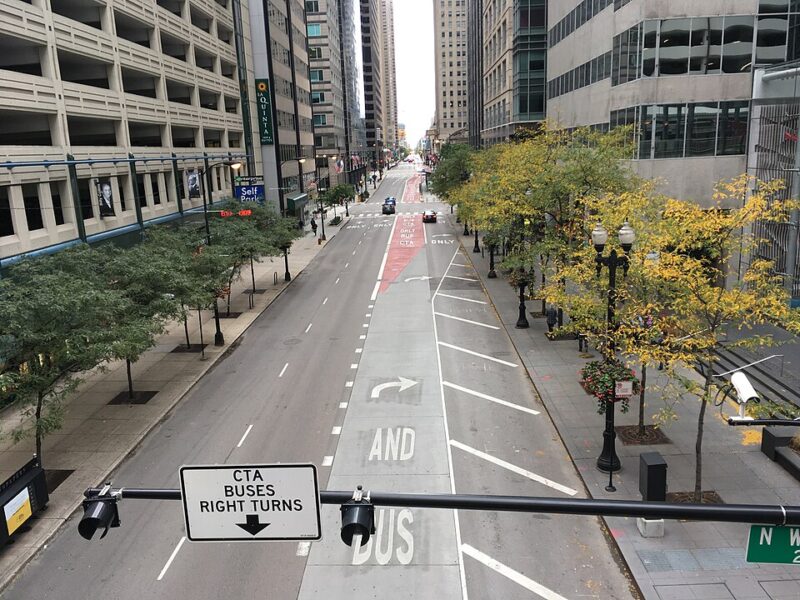
Navigating busy city streets requires constant attention to road markings and signage. When you drive, you often encounter lanes restricted to public transport vehicles. Recognizing these bus lanes early helps you avoid accidental traffic violations, unnecessary fines, and potential safety hazards.
This guide outlines exactly how to identify bus lanes so you can drive with confidence and keep traffic flowing smoothly.
Look for Road Markings
The most immediate way to identify a bus lane is by looking at the road surface. Road authorities use specific markings to designate these lanes:
- Bus Lane Text: You will often see the words “BUS LANE” painted in large, white capital letters directly on the asphalt.
- Solid Longitudinal Lines: A thick, solid white line typically separates a bus lane from the general traffic lanes. When you see this solid line, it acts as a clear boundary that you must not cross during the lane’s hours of operation.
- Diamond Symbols: In many jurisdictions, authorities paint a diamond symbol inside the lane to indicate priority vehicle access.
Pay Attention to Traffic Signs
Road signs provide the essential context for bus lane restrictions. Always scan the sidewalk for rectangular regulatory signs positioned near intersections or the start of a protected lane. These signs contain vital information, including:
- Operating Hours: Many bus lanes only restrict general traffic during peak hours (e.g., 7:00 AM to 9:00 AM or 4:00 PM to 6:00 PM). Always check the sign for the specific timeframe.
- Restricted Vehicle Types: Some lanes permit taxis, cyclists, or motorcycles alongside buses. Ensure your vehicle type qualifies before you enter the lane.
- Exceptions: Pay close attention to icons on the sign. If the lane allows right-hand turns for general traffic, it will usually indicate this with a small directional arrow.
Understand Signal Differences
In some cities, traffic authorities install dedicated bus signals. You might see a white vertical bar or a specific “B” symbol on the traffic light assembly. If you see a signal that does not match the standard circular green, yellow, or red lights, you are likely looking at a transit-only signal. Do not follow these signals if you drive a private passenger vehicle.
Common Mistakes to Avoid
Drivers often make avoidable mistakes when they encounter bus lanes. To maintain safety and legal compliance, follow these best practices:
- Do not ignore the signage: Even if you do not see a bus, the rules remain in effect during the posted hours.
- Respect the turning rules: If you need to make a right-hand turn, you may enter the bus lane only when the dashed white line begins near the intersection. Never drive through an entire block in a bus lane just to reach your turn.
- Stay alert for cyclists: Often, cities designate bus lanes as “Bus and Bike” lanes. Always check your blind spots for cyclists who share these priority corridors.
Stay Informed
Traffic laws vary significantly by city and state. If you feel unsure about a specific road layout, check your local Department of Transportation (DOT) website. Understanding these rules protects your driving record and ensures that buses—and the thousands of passengers they carry—stay on schedule.
Conclusion
By staying observant and respecting transit-only zones, you contribute to a more efficient and safer transportation network for everyone.


