


An efficient bus transportation infrastructure is the backbone of any thriving economy and a cornerstone of societal well-being. It facilitates the movement of people and goods, connecting communities, enabling commerce, and enhancing access to essential services. However, aging infrastructure, growing populations, and evolving economic demands often strain existing bus schedule for bus systems, necessitating strategic and effective improvements. This article delves into the multifaceted approaches required to enhance transportation infrastructure, examining key areas such as bus schedule for bus , planning and funding to technological integration and sustainability.
Strategies for Effective Transportation Infrastructure Improvement
Improving transportation infrastructure requires a holistic approach that encompasses planning, funding, design, construction, and maintenance. The following strategies are essential for achieving meaningful and sustainable results:
1. Strategic Planning and Prioritization:
Effective planning is the foundation of any successful infrastructure project. This involves:
- Comprehensive Needs Assessments: Conducting thorough assessments to identify current and future transportation needs, considering population growth, economic trends, and environmental factors.
- Data-Driven Decision Making: Utilizing data analytics to understand traffic patterns, identify bottlenecks, and prioritize projects based on their potential impact.
- Stakeholder Engagement: Involving the public, businesses, and other stakeholders in the planning process to ensure that projects are aligned with community needs and priorities.
- Long-Term Vision: Developing a long-term transportation plan that outlines strategic goals and objectives, guiding investment decisions over several decades.
2. Innovative Funding Mechanisms:
Traditional funding sources, such as fuel taxes, are often insufficient to meet the growing demands of infrastructure projects. Exploring innovative funding mechanisms is crucial:
- Public-Private Partnerships (PPPs): Leveraging private sector expertise and capital to finance, design, build, and operate transportation infrastructure projects.
- User Fees and Tolls: Implementing user fees and tolls on roads, bridges, and other infrastructure to generate revenue for maintenance and improvements.
- Value Capture: Capturing the increased property values generated by transportation improvements through taxes or fees, and using those revenues to fund the projects.
- Dedicated Funding Streams: Establishing dedicated funding streams, such as sales taxes or property taxes, specifically for transportation infrastructure.
- Federal Grants and Loans: Actively pursuing federal grants and loan programs to supplement state and local funding.
3. Embracing Technological Advancements:
Technology plays a vital role in modernizing transportation infrastructure and improving its efficiency:
- Smart Traffic Management Systems: Implementing intelligent transportation systems (ITS) such as bus schedule for bus that use sensors, cameras, and data analytics to optimize traffic flow, reduce congestion, and improve safety.
- Connected and Autonomous Vehicles (CAVs): Preparing infrastructure for the integration of CAVs by installing necessary sensors, communication networks, and road markings.
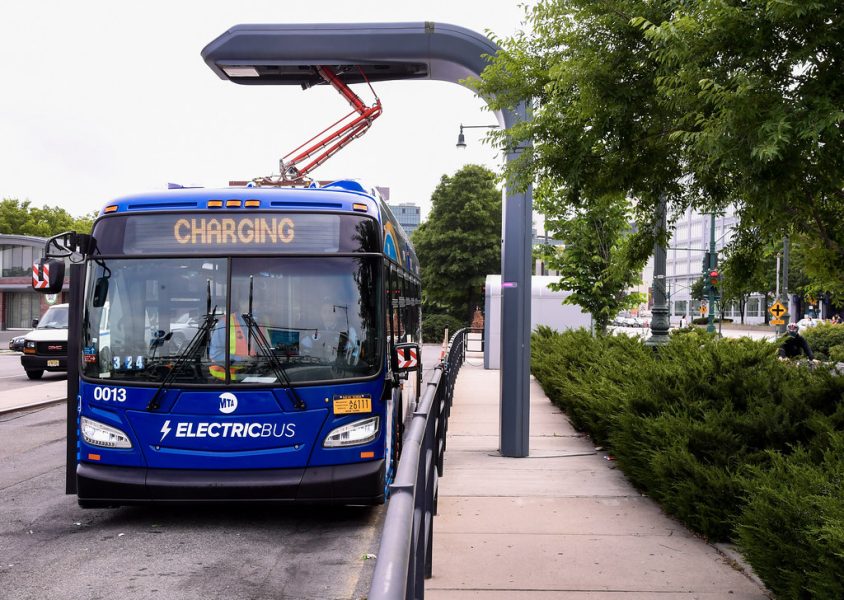
- Electric Vehicle (EV) Infrastructure: Investing in a network of EV charging stations to support the transition to electric vehicles.
- Building Information Modeling (BIM): Utilizing BIM to enhance the design, construction, and management of transportation infrastructure projects.
- Drones for Inspection and Maintenance: Employing drones to inspect bridges, roads, and other infrastructure components for damage and deterioration, reducing costs and improving safety.
Key takeaway
Improving transportation infrastructure is a complex and multifaceted challenge that requires a strategic, collaborative, and innovative approach. By prioritizing strategic planning, exploring innovative funding mechanisms, embracing technological advancements, prioritizing sustainable transportation, ensuring effective maintenance, streamlining project delivery, bus schedule for bus and investing in workforce development, governments and communities can create transportation systems that are safe, efficient, sustainable, and equitable.
These improvements are not merely about building roads and bridges; they are about building a better future for all. Investing in transportation infrastructure especially bus schedule for bus systems is an investment in economic growth, social equity, and environmental sustainability.


