


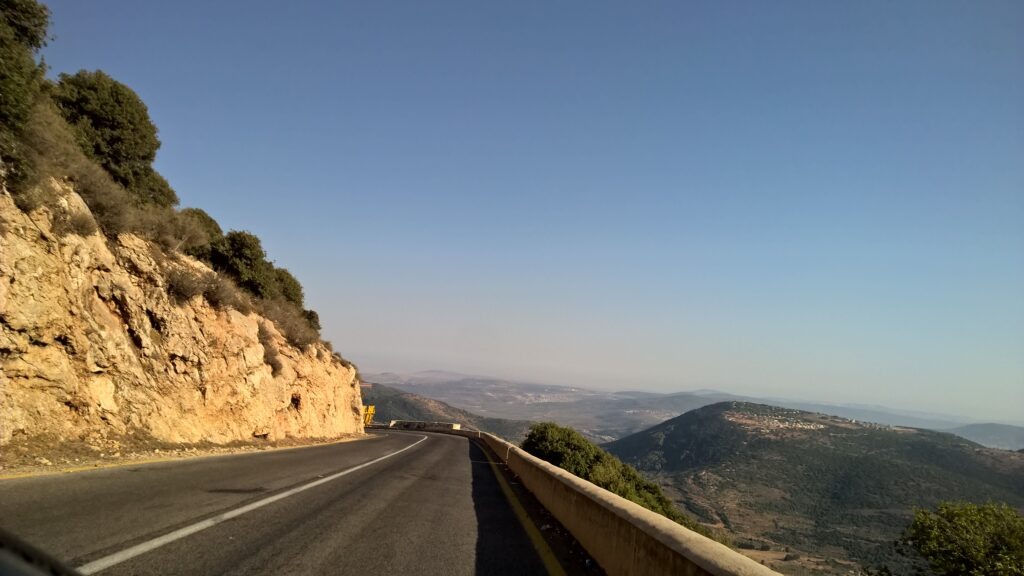
For the discerning traveler, relying solely on standard algorithmic navigation often results in efficient but uninspired journeys. Creating a bespoke driving route transforms transit from a necessity into a curated experience. This process demands strategic planning, integrating both logistical feasibility and experiential goals.
How to begin the assessment
The undertaking begins with Defining the Itinerary Profile. Route creation is an exercise in prioritization. The planner must first distinguish whether the primary objective is maximum speed, scenic appeal, or cultural integration. If speed is paramount, the route will favor major highways and minimal stops. Conversely, if the goal is immersion, the focus shifts to secondary roads, designated scenic byways, and strategically placed waypoints, which may significantly increase travel time but enhance overall enjoyment.
Once the goal is established, attention turns to Geographical and Logistical Layering. Standard navigation systems prioritize the shortest quantifiable distance; the custom route specialist must prioritize resilience and quality. This involves researching road classifications, checking for known seasonal closures, and verifying infrastructural support. For instance, those embarking on long-distance electric vehicle journeys must meticulously plot charging station locations, ensuring the vehicle’s range buffer is never compromised. Professional route creation involves supplementing digital mapping tools with topographical surveys to anticipate challenging terrain and weather patterns, avoiding potential bottlenecks or unsafe passages.
Lineating the stops along the way
The next crucial stage is Strategic Waypoint Designation. A custom route should integrate points of interest (POIs) that align with the trip’s profile. These are not merely suggested stops but integrated components of the journey flow, dictating the necessary daily mileage and rest periods. It is critical to balance ambitious day mileage with realistic human factors, such as mandated rest breaks and meal stops. Over-scheduling can negate the benefits of a bespoke route, leading to driver fatigue and unnecessary delays.
Route design alternatives
Finally, the architect of the route must develop Contingency Protocols. Even the most meticulously planned journey is subject to unforeseen circumstances. A professional itinerary must include designated alternate routes for substantial sections, especially those traversing remote or weather-sensitive areas. This fallback plan ensures minimal disruption should a primary road become impassable. The finalized route must then be digitally integrated into a reliable GPS system, often requiring manual entry of bespoke waypoints to override standard, pre-set algorithms.
In conclusion
By approaching route creation with this level of strategic oversight and attention to detail, travelers move beyond simple navigation. They craft an itinerary that is optimized not just for distance, but for safety, efficiency, and the unique fulfillment of the journey itself.


