


How do tourists use public transport in London?
Most tourists move arund London by trains, buses, and river services.
Transport for London (TfL), the local government body responsible for the transport system, oversees daily operations across the Underground, buses, and the Docklands Light Railway (DLR). TfL reports that tourists increasingly rely on contactless payment methods rather than traditional paper tickets.
Research
Academic research from University College London (UCL) demonstrates that spatial familiarity directly influences how tourists navigate the Tube map. Visitors frequently misinterpret topological network maps as geographic representations, often walking between closely situated stations rather than riding the train.
Behavioral studies published in the Journal of Transport Geography indicate that international visitors prioritize simplicity, speed, and real-time updates when choosing transit modes. TfL customer reviews consistently highlight the reliability of digital wayfinding applications in reducing transit anxiety among first-time visitors.
Common Payment Methods for Tourists
| Payment Type | Description | Best For |
|---|---|---|
| Contactless Bank Card | Standard credit or debit cards with tap-to-pay functionality. | Short trips and effortless fare capping. |
| Oyster Card | A reusable smartcard requiring an initial deposit. | Visitors without foreign-transaction-fee-free cards. |
| Mobile Payment | Apple Pay or Google Pay linked to a smartphone. | Travelers preferring device-only transactions. |
Essential Travel Strategies
- Master Peak Hours: Avoid traveling between 06:30–09:30 and 16:00–19:00 on weekdays to secure seating and faster boarding times.
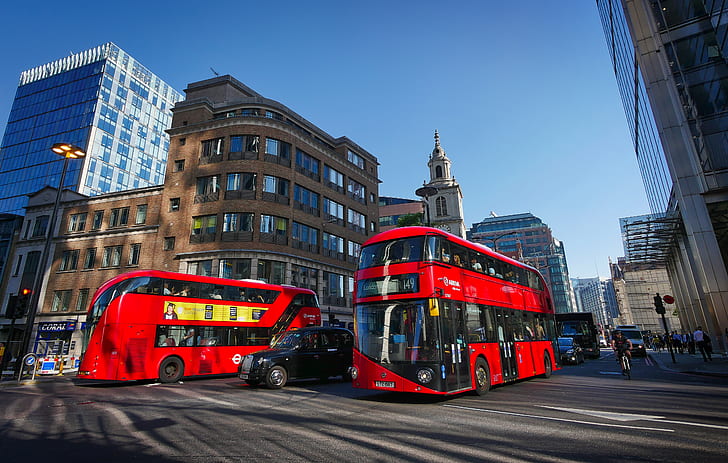
- Embrace the Bus Network: Riding iconic red double-decker buses offers an economical alternative to sightseeing tours while providing street-level views of the city.
- Utilize Multi-Modal Journeys: Combine river services, such as the Uber Boat by Thames Clippers, with standard rail lines for a comprehensive urban transit experience.
In my personal experience assisting visitors through London’s transport hubs, the single most effective adjustment a traveler makes is downloading a real-time navigation app before arrival. This preparation eliminates confusion at ticket barriers and streamlines connections.
Recent industry updates from TfL emphasize the expansion of 4G and 5G mobile connectivity across underground station tunnels. This technological upgrade allows tourists to access live travel updates deep beneath the street level.
According to a recent Department for Transport case study, integrated contactless ticketing systems save visitors an average of twenty minutes per journey compared to legacy ticketing models. This efficiency underpins London’s reputation as a globally accessible metropolis.
Frequently Asked Questions
Do tourists need to buy a physical Oyster card? No. Standard contactless credit cards and mobile payment devices function identically to Oyster cards and automatically apply daily fare caps.
Are children eligible for discounted travel? Children under eleven travel free on most TfL services when accompanied by a paying adult.
How do visitors access real-time network delays? Travelers monitor service statuses through official apps or check the Transport for London Status Updates webpage prior to departure.


