


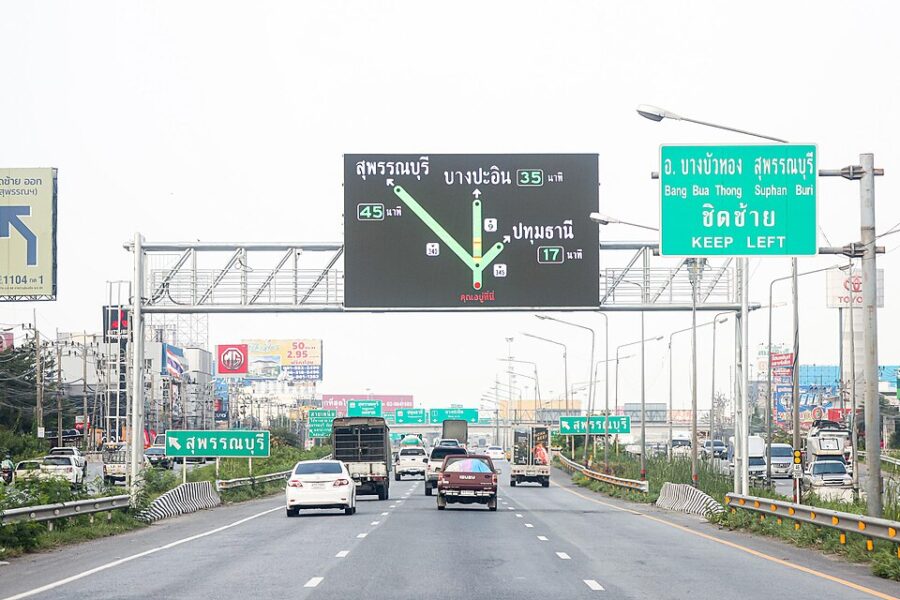
Intelligent Transport Systems (ITS) revolutionize modern transportation, leveraging advanced technologies to enhance efficiency, safety, and sustainability on our roads. But how exactly do these intricate systems operate to create smarter, more responsive transport networks? This article explores the core mechanisms behind ITS.
The Foundation: Data Collection
At its heart, ITS relies on robust data collection. Various intelligent sensors, cameras, and loops embedded in infrastructure continuously gather critical information. These devices monitor traffic volume, vehicle speed, road conditions, and incident occurrences. Additionally, GPS data from vehicles and mobile devices contributes to a comprehensive real-time picture of the transport environment. This constant flow of data forms the backbone of any effective ITS.
Processing and Analysis: Making Sense of the Data
Once collected, ITS directs this raw data to sophisticated central control centers. Here, powerful algorithms and advanced analytics swiftly process and interpret the information. These systems identify patterns, predict potential congestion points, detect incidents, and assess overall network performance. Real-time analysis ensures transport authorities gain immediate insights into the current state of the road network, enabling proactive decision-making.
Action and Dissemination: Informing and Directing
With analyzed data in hand, ITS implements various actions and disseminates crucial information. Intelligent traffic signals dynamically adjust timing based on real-time traffic flow, optimizing green light durations to alleviate bottlenecks. Variable Message Signs (VMS) on highways provide drivers with immediate updates on accidents, construction, or alternative routes. Furthermore, ITS integrates with navigation apps and public transport information systems, delivering personalized travel advice and estimated arrival times directly to users. These active responses enhance traffic management and improve commuter experiences.
Key Benefits of ITS
By integrating these technological components, Intelligent Transport Systems significantly improve traffic flow, reducing commute times and fuel consumption. They enhance road safety through incident detection and preventative warnings. Moreover, ITS contributes to environmental sustainability by minimizing idling and optimizing vehicle movement, thereby lowering emissions.
Ultimately, ITS functions as a connected ecosystem, continuously collecting, analyzing, and acting on transport data to build a safer, more efficient, and sustainable future for our mobility.


