


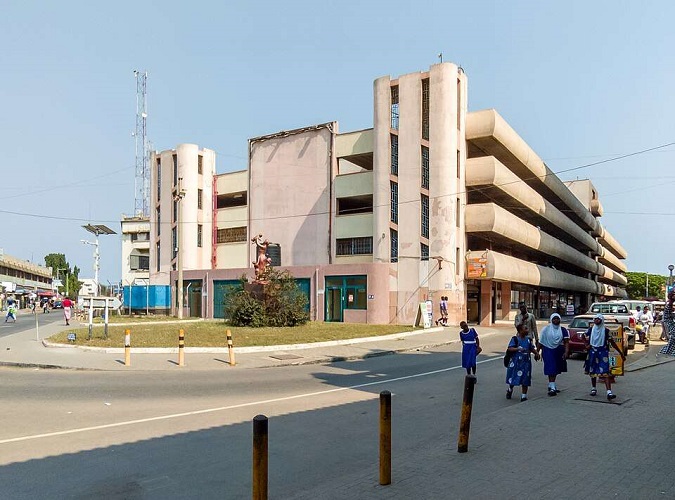
Accra, Ghana’s capital, is a city in constant motion, experiencing rapid urbanization and a corresponding surge in vehicular traffic. While its bustling markets, modern high-rises, and historical sites draw millions, the often-overlooked challenge of urban mobility, particularly parking, significantly impacts daily life and economic activity.
THE LEGACY OF STREET PARKING
For many years, parking in Accra was largely an informal affair. Street-side spaces, often managed by unofficial attendants, served as the primary solution. This ad-hoc approach, while seemingly convenient at times, has contributed to a host of urban dilemmas. Congestion intensifies as drivers circle blocks in search of available spots, exacerbating traffic flow issues especially during peak hours. This prolonged idling not only wastes fuel and time but also contributes to increased air pollution, an growing concern for public health.
The economic implications are substantial. Businesses, particularly those without dedicated parking facilities, can suffer from reduced accessibility, deterring potential customers. Delivery logistics become more complex and costly. Furthermore, the informal parking sector, while providing some employment, often lacks regulation, leading to inconsistent pricing, security concerns, and occasional conflicts over space.
NEW TRENDS EMERGING IN THE CAPITAL
However, the landscape is gradually evolving. Newer commercial developments, shopping malls, and some corporate offices are increasingly integrating structured multi-story or basement parking facilities. These modern solutions offer greater security, clearly defined spaces, and often leverage technology for payment and occupancy monitoring. Such developments represent a forward step, providing a glimpse into a more organized future for urban parking.
Yet, these structured facilities remain an exception rather than the norm across the city. Older commercial districts, residential areas, and government precincts continue to grapple with a chronic shortage of dedicated parking. This necessitates innovative urban planning and significant investment. Solutions could involve the development of public multi-storey car parks in key areas, the implementation of smart parking systems that guide drivers to available spots via mobile applications, and stricter enforcement of parking regulations to ensure efficient space utilization.
WHAT THE FUTURE HOLDS
Ultimately, addressing Accra’s parking challenge is not merely about finding space for vehicles; it is an integral component of fostering sustainable urban development. Efficient parking management can enhance traffic flow, reduce environmental impact, boost business accessibility, and improve the overall quality of life for residents and visitors alike. As Accra continues its growth trajectory, strategic investment and policy formulation in this critical area will be paramount to its continued prosperity.


