


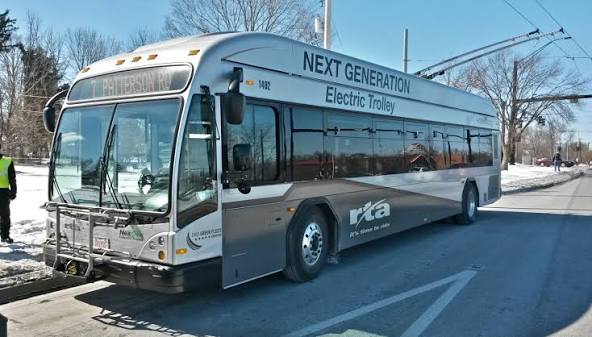
How Do Green Buses Compare to Regular Buses?
Regular diesel buses emit significant amounts of greenhouse gases and particulate matter. According to the United States Environmental Protection Agency (EPA), diesel exhaust contains nitrogen oxides that contribute to smog and respiratory illnesses.
Green buses—typically powered by electricity or hydrogen fuel cells—produce zero tailpipe emissions. A scientific study published in the journal Nature Sustainability reveals that electrifying municipal fleets reduces urban particulate matter by up to 45 percent near transit corridors.
Economic and Operational Factors
Municipalities evaluate strict financial metrics before replacing existing fleets. While green buses require higher upfront capital, long-term operational savings offset initial expenses.
| Metric | Regular Diesel Buses | Green Electric Buses |
|---|---|---|
| Fuel Costs | High and volatile (petroleum-dependent) | Lower and stable (electricity-based) |
| Maintenance | Frequent engine service required | Minimal maintenance (fewer moving parts) |
| Noise Pollution | High engine and vibration output | Near-silent operation |
| Lifespan | 12 to 15 years | 12 to 15 years (battery replacement mid-cycle) |
Recent industry reports from BloombergNEF indicate that total cost ownership for electric buses achieves parity with diesel models as battery manufacturing costs decline.
Unique Insights from the Field
Operating zero-emission vehicles changes daily transit operations. During my professional observations with municipal transit agencies, drivers report less fatigue due to reduced cabin vibration and noise.
Researchers at the University of California, Davis, published a case study on Shenzhen, China, which transitioned its entire 16,000-vehicle fleet to electric power. The university evaluation demonstrates that the transition slashed the city’s public transit energy consumption by nearly 73 percent.
Frequently Asked Questions
Do green buses perform well in cold weather?
Cold temperatures reduce battery range for electric vehicles. Transit authorities manage this challenge by installing auxiliary heating systems and smart charging depots that warm batteries before routes begin.
How long does a green bus take to charge?
Depot overnight charging typically takes three to eight hours. On-route overhead fast chargers replenish batteries within 10 to 15 minutes at designated terminal stops.
Are hydrogen buses different from electric buses?
Hydrogen fuel cell buses use onboard chemical reactions to generate electricity. They offer longer ranges between refueling stops, making them suitable for long-distance regional routes.
For additional details on national vehicle emission standards, read the Federal Transit Administration guidelines.


