


Modern metropolitan transport networks face the ongoing challenge of navigating dense traffic while ensuring passenger security. As city populations grow, transit authorities increasingly turn to Artificial Intelligence (AI) to transform bus safety standards. By integrating advanced machine learning and computer vision into transit fleets, cities create safer environments for commuters, drivers, and pedestrians alike.
Real-Time Bus Collision Avoidance Systems
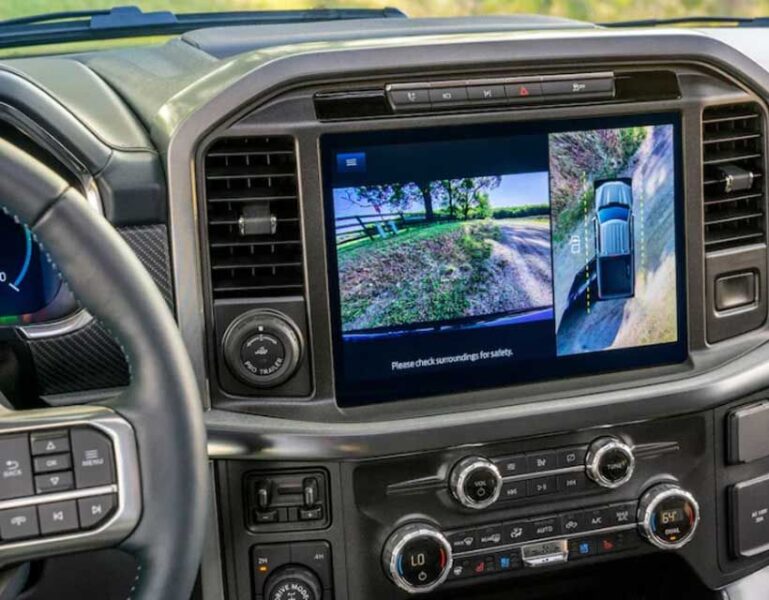
AI-powered Advanced Driver Assistance Systems (ADAS) act as an extra set of eyes on the road. These systems utilize high-definition cameras and LiDAR sensors to monitor the bus’s surroundings continuously. When the software detects an impending collision, it alerts the driver instantly. In critical scenarios, these systems trigger automated braking, significantly reducing the likelihood of accidents in high-traffic urban corridors. By processing environmental data faster than human reaction times, AI effectively mitigates human error.
Monitoring Driver Fatigue and Distraction
Driver alertness remains a cornerstone of road safety. AI-integrated interior cameras track eye movement and head position to identify signs of fatigue or distracted driving. When the system detects drowsiness or irregular behavior, it issues haptic or audible alerts to the driver. This proactive approach prevents incidents before they occur, ensuring that transit operators remain focused during long shifts. By protecting the driver, transit agencies provide a safer experience for every passenger on board.
Improving Pedestrian and Cyclist Detection
Metropolitan streets feature complex interactions between buses, cyclists, and pedestrians. AI computer vision excels at identifying vulnerable road users, even in crowded or low-visibility conditions. Smart sensors distinguish between objects in the bus’s path, providing drivers with real-time feedback about blind spots. This technology drastically lowers the risk of accidents at busy intersections and stops, fostering a safer urban ecosystem for all residents.
Predictive Maintenance for Mechanical Reliability
Safety extends beyond the driver’s seat; it involves the mechanical integrity of the vehicles. AI platforms analyze engine performance data, brake wear, and tire pressure in real time. Rather than waiting for a scheduled inspection, transit agencies receive notifications the moment a component shows signs of failure. This predictive maintenance strategy ensures that buses operate at peak performance, preventing breakdowns that compromise rider safety and disrupt city transit flow.
Building Trust Through Data
Data-driven safety measures provide transit authorities with the insights necessary to optimize routes and identify high-risk locations. By analyzing incident patterns, city planners can implement infrastructure improvements that further protect transit fleets.
As cities invest in these intelligent systems, they build a foundation of trust with the public. Commuters value security, and AI provides the technical assurance that their daily journey meets the highest safety standards. Embracing AI today prepares our metropolitan areas for the transit challenges of tomorrow, ensuring that public transport remains the safest and most efficient way to navigate the city.


