


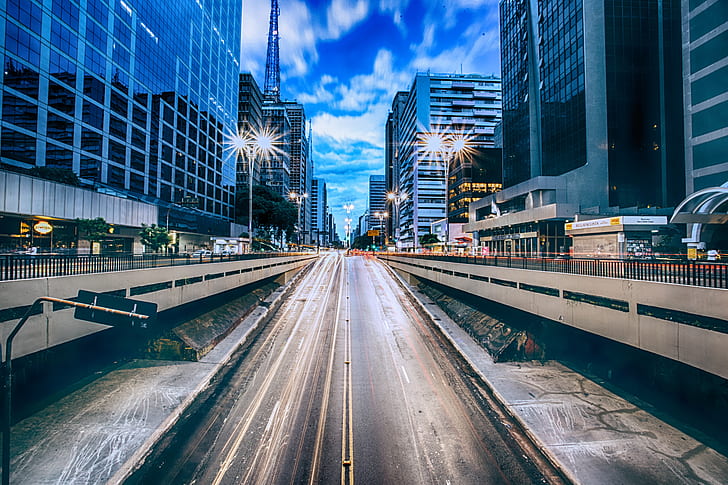
Urban mobility, the ability of people and goods to move freely and efficiently within a city, is a critical factor in economic growth, social equity, and environmental sustainability. However, many cities around the world struggle with significant mobility challenges, resulting in congestion, pollution, reduced quality of life and impaired bus schedule for bus
Understanding the factors that impede urban mobility is essential for developing effective strategies to address these issues and create more livable and sustainable urban environments.
1. Population Growth and Urbanization
One of the primary drivers of urban mobility challenges is the rapid growth of urban populations. As more people move to cities in search of economic opportunities and better living conditions, the demand for transportation infrastructure and services increases significantly. This growth often outpaces the capacity of existing systems, leading to congestion and delays.
Moreover, urbanization patterns can exacerbate mobility problems. Sprawling suburban development, characterized by low-density housing and reliance on private vehicles, can increase travel distances and create traffic bottlenecks. In contrast, compact, mixed-use development patterns that promote walking, cycling, and public transport can help reduce congestion and improve mobility.
2. Inadequate Transportation Infrastructure
Many cities suffer from inadequate transportation infrastructure, including insufficient road capacity, limited public transport options, and a lack of dedicated cycling and pedestrian facilities. This can result in traffic congestion, longer travel times, and reduced accessibility for certain populations.
Road Capacity
Insufficient road capacity is a major factor contributing to traffic congestion in many cities. When the number of vehicles on the road exceeds the available capacity, traffic flow slows down, leading to delays and frustration for commuters.
Public Transport
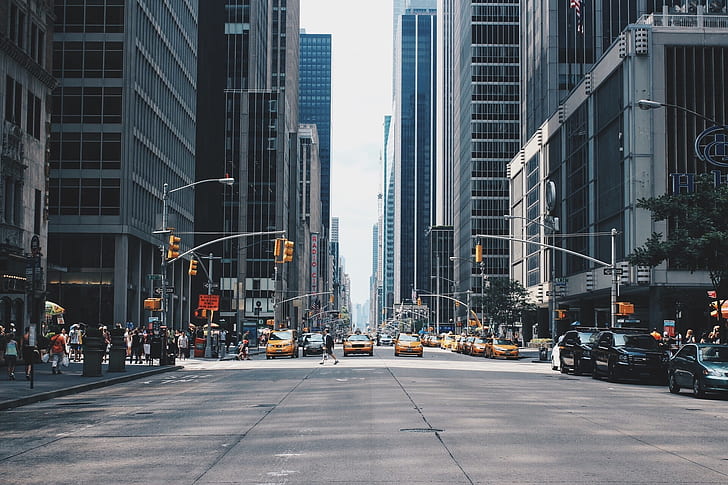
A lack of reliable and affordable public transport options can force people to rely on private vehicles and limited bus schedule for bus, further exacerbating congestion. Overcrowded buses and trains, infrequent service, and limited route coverage can deter people from using public transport, leading to increased traffic on the roads.
Cycling and Pedestrian Facilities
The absence of safe and convenient cycling and pedestrian facilities can discourage people from choosing these modes of transport, leading to increased reliance on private vehicles. Dedicated bike lanes, pedestrian walkways, and traffic calming measures can help create a more pedestrian- and cyclist-friendly environment.
3. Land Use Patterns and Urban Sprawl
Land use patterns play a significant role in shaping urban mobility. Sprawling suburban development, characterized by low-density housing and reliance on private vehicles, can increase travel distances and create traffic bottlenecks.
Mixed-Use Development
In contrast, compact, mixed-use development patterns that promote walking, cycling, and public transport can help reduce congestion and improve mobility. By locating housing, workplaces, shops, and services in close proximity, mixed-use development reduces the need for long commutes and encourages people to use alternative modes of transport.
Transit-Oriented Development (TOD)
Transit-oriented development (TOD) is a planning approach that focuses on creating compact, walkable, and bikeable communities around public transport hubs. TOD can help reduce reliance on private vehicles, improve access to public transport, and create more vibrant and sustainable urban environments.
4. Traffic Management and Technology
Inefficient traffic management practices can also contribute to urban mobility challenges. Outdated traffic signal systems, a lack of real-time traffic information, and inadequate enforcement of traffic regulations can all lead to congestion and delays.
Intelligent Transportation Systems (ITS)
Intelligent Transportation Systems (ITS) can play a significant role in improving traffic flow and reducing congestion. ITS technologies, such as adaptive traffic signal control for bus schedule for bus, real-time traffic information, and electronic toll collection, can help optimize traffic flow and reduce delays.
Urban mobility is a complex issue with no easy solutions. However, by understanding the factors that impede urban mobility and functional bus schedule for bus, and implementing a comprehensive set of strategies, cities can create more efficient, sustainable, and equitable transportation systems that benefit all residents.


