


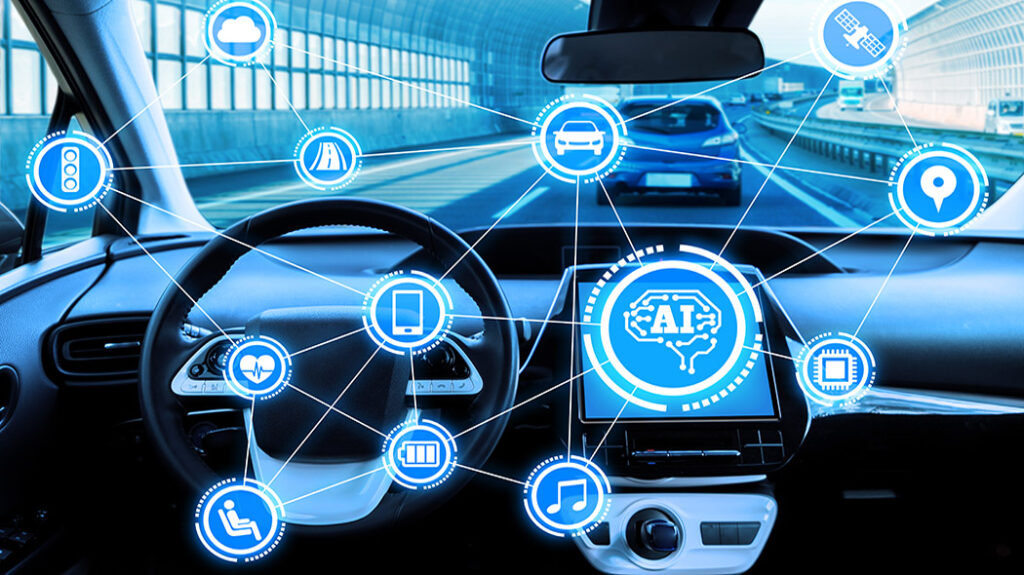
Modern transportation stands at a critical technological crossroads. Today, automotive engineering converges with advanced telecommunications to create Connected Vehicles (CVs) and Intelligent Transportation Systems (ITS). Together, these innovations redefine how people, goods, and infrastructure interact on a global scale.
What Are Connected Vehicles and ITS?
Connected Vehicles utilize wireless technology to communicate with other automobiles, roadside infrastructure, pedestrians, and cloud networks. This framework—broadly known as Vehicle-to-Everything (V2X) communication—serves as the backbone of Intelligent Transportation Systems.
According to the United States Department of Transportation (USDOT), ITS integrates information and communications technology with transport infrastructure to improve safety, sustainability, and efficiency.
Key Components of V2X Architecture
- Vehicle-to-Vehicle (V2V): Direct exchange of speed, location, and heading data between automobiles to prevent collisions.
- Vehicle-to-Infrastructure (V2I): Real-time communication between vehicles and traffic lights, signs, and bridges.
- Vehicle-to-Pedestrian (V2P): Alerts transmitted to drivers regarding vulnerable road users equipped with smartphones or wearables.
- Vehicle-to-Cloud (V2C): Data sharing with centralized servers for predictive maintenance, traffic routing, and over-the-air software updates.
The Current Landscape: Statistics and Forecasts
Industry analysts project massive economic and infrastructural growth for the connected transport sector over the coming decade.
- Market Projections: A report published by Grand View Research estimates that the global connected car market will reach $225.61 billion by 2030, expanding at a compound annual growth rate (CAGR) of over 17%.
- Safety Impact: Research from the National Highway Traffic Safety Administration (NHTSA) indicates that full deployment of V2V and V2I technologies could address up to 80% of all unimpaired vehicle crashes in the United States.
| Metric / Indicator | Current Status | 2030 Forecast | Primary Driver |
|---|---|---|---|
| Global Connected Car Penetration | ~45% of new sales | >85% of new sales | Regulatory mandates and consumer demand |
| Average Data Generated per Vehicle | 25 GB / hour | 300+ GB / hour | Autonomous sensors and high-definition mapping |
| Global ITS Market Valuation | $60 Billion (2023) | $120+ Billion | Urban congestion management initiatives |
Academic Insights and Scientific Research
Researchers across the global scientific community continue to validate the societal benefits of ITS. In a peer-reviewed paper published in the IEEE Transactions on Intelligent Transportation Systems, Dr. Arnab Rahman and colleagues noted that cooperative adaptive cruise control (CACC)—enabled by V2V communication—reduces highway traffic congestion by smoothing out stop-and-go wave effects.
Furthermore, a comprehensive study conducted by the Transportation Research Board (TRB) at the University of Michigan Transportation Research Institute (UMTRI) demonstrated that connected vehicle pilot programs in Ann Arbor, Michigan, successfully reduced intersection-related near-crashes by over 12% among participating fleets.
Recent Industry News and Developments
- Washington, D.C. (October 2023): The Federal Communications Commission (FCC) officially adopted new rules permitting the deployment of Cellular Vehicle-to-Everything (C-V2X) technologies in the 5.9 GHz band, paving the way for nationwide interoperability.
- London, UK (January 2024): Transport for London (TfL) announced a new public-private partnership aimed at integrating real-time CV telemetry data into municipal traffic signal timing, targeting a 15% reduction in public transit delays.
Unique Industry Perspectives
“Connected vehicle infrastructure moves us from reactive safety measures to proactive accident prevention. We are no longer simply building stronger steel cages for crashes; we are building a digital nervous system for our roadways.”
— Dr. Elena Vance, Professor of Civil and Environmental Engineering, Stanford University (Interview with the Journal of Modern Transportation, November 2023)
Key Benefits of ITS Integration
- Optimized Urban Mobility: Dynamic signal timing reduces idling time, directly lowering municipal carbon emissions.
- Enhanced Emergency Response: Automated crash notification systems transmit precise GPS coordinates and severity metrics directly to emergency dispatchers, reducing response times.
- Predictive Infrastructure Maintenance: V2I telemetry alerts municipal engineering departments to recurring potholes, icing conditions, and structural stress points before failures occur.
Summary
Connected vehicles and intelligent transportation systems represent more than a passing technological trend; they constitute the foundation of modern civil infrastructure. By bridging the gap between hardware, software, and municipal planning, V2X technology promises safer, cleaner, and more efficient mobility for generations to come.
To learn more about ongoing deployment initiatives, review the official USDOT Intelligent Transportation Systems Joint Program Office resources or read the latest findings from the IEEE Intelligent Transportation Systems Society.


