


Understanding Road Rules: Yielding to Buses at Bus Stops
Navigating urban traffic requires a clear understanding of right-of-way regulations. One of the most common questions drivers ask involves the legal requirements when a bus signals its departure from a bus stop. Do you always have to stop? Does the bus have the absolute right of way?
Understanding these rules ensures safer roads and improves traffic flow for everyone. This guide clarifies your legal obligations and provides best practices for sharing the road with public transit vehicles.
The Legal Framework: What the Law Requires
In many jurisdictions, traffic laws mandate that drivers yield to a bus that is attempting to re-enter traffic from a designated bus stop. Specifically, when a bus driver activates their left turn signal and begins to pull away from the curb, you must exercise caution.
While laws vary by region, the general principle remains consistent: if you occupy a lane that the bus needs to merge into, you should reduce your speed and allow the bus to enter the lane safely. By yielding, you prevent sudden braking and reduce the risk of collisions. Always check your local Department of Transportation or regional traffic authority’s handbook to confirm the specific statutes applicable to your area.
Why Yielding Improves Traffic Safety
Public transport systems prioritize the efficient movement of large numbers of people. When individual drivers cooperate with bus operators, they facilitate a smoother commute for dozens of passengers simultaneously.
- Safety First: Buses have large blind spots. By yielding, you remain visible to the driver and avoid entering restricted areas near the bus’s side panels.
- Predictability: Sudden maneuvers to overtake a bus while it is signaling to merge cause confusion for other road users. Constant, predictable behavior stabilizes traffic patterns.
- Professional Courtesy: Bus drivers coordinate complex routes under tight schedules. Giving them the space to merge minimizes delays for passengers and prevents the bus from becoming a static obstacle in your lane.
Best Practices for Drivers
Operating a vehicle near transit zones requires vigilance. Follow these steps to ensure you remain compliant and safe:
- Watch for Signals: Monitor the bus for a flashing left signal. If the light engages while you approach, prepare to slow down immediately.
- Maintain Buffer Zones: Do not crowd the bus when it is pulled over. Leave enough space for the driver to maneuver back into the flow of traffic without requiring multiple micro-adjustments.
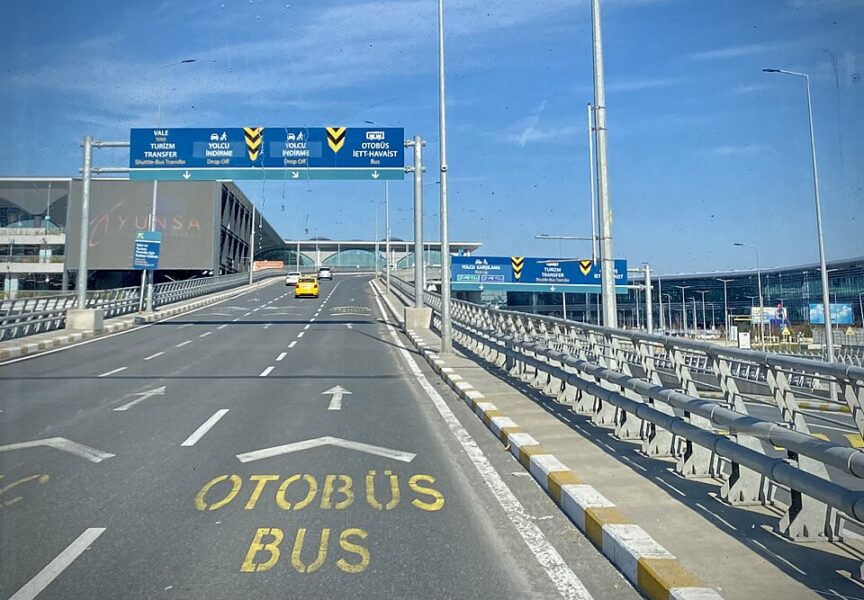
- Observe Bus-Only Lanes: In some cities, specific lanes are reserved for buses. Do not travel in these lanes unless road markings explicitly permit it.
- Stay Alert: Pedestrians often cross the street near bus stops. Keep your eyes on the road and watch for commuters emerging from behind or in front of a parked bus.
Final Thoughts
Yielding to a bus is more than just a courtesy; it is a fundamental rule of cooperative driving. By allowing buses to merge safely, you contribute to a more organized and secure environment for all commuters. When in doubt, prioritize caution, maintain a safe follow distance, and always adhere to the traffic signals provided by the bus operator.
Summary
By following these guidelines, you play an essential role in keeping our roads moving efficiently. Stay informed, stay alert, and drive safely.


